DDWS & UNICEF Host National Workshop to Chart Inclusive and Sustainable Future for Rural Sanitation under SBM-G Phase II
Workshop emphasizes climate resilience, inclusion, and grassroots leadership in advancing the next phase of Swachh Bharat Mission-Gramin (SBM-G).
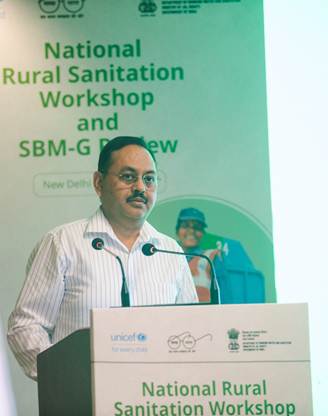
NEW DELHI, 02 JUNE: The Department of Drinking Water and Sanitation (DDWS), Ministry of Jal Shakti, in collaboration with UNICEF India, hosted the National Rural Sanitation Workshop at the India Habitat Centre, New Delhi. The event served as a platform for senior government officials, state mission directors, development partners, and sector experts to review the progress of the Swachh Bharat Mission-Gramin (SBM-G) and chart priorities for its next phase.
Delivering the keynote address, DDWS Secretary Shri Ashok KK Meena emphasized that sanitation is not just about infrastructure but about dignity, equity, and sustainability. “The next phase of SBM-G must build on the momentum of the last decade while anchoring local leadership and addressing climate challenges,” he stated.

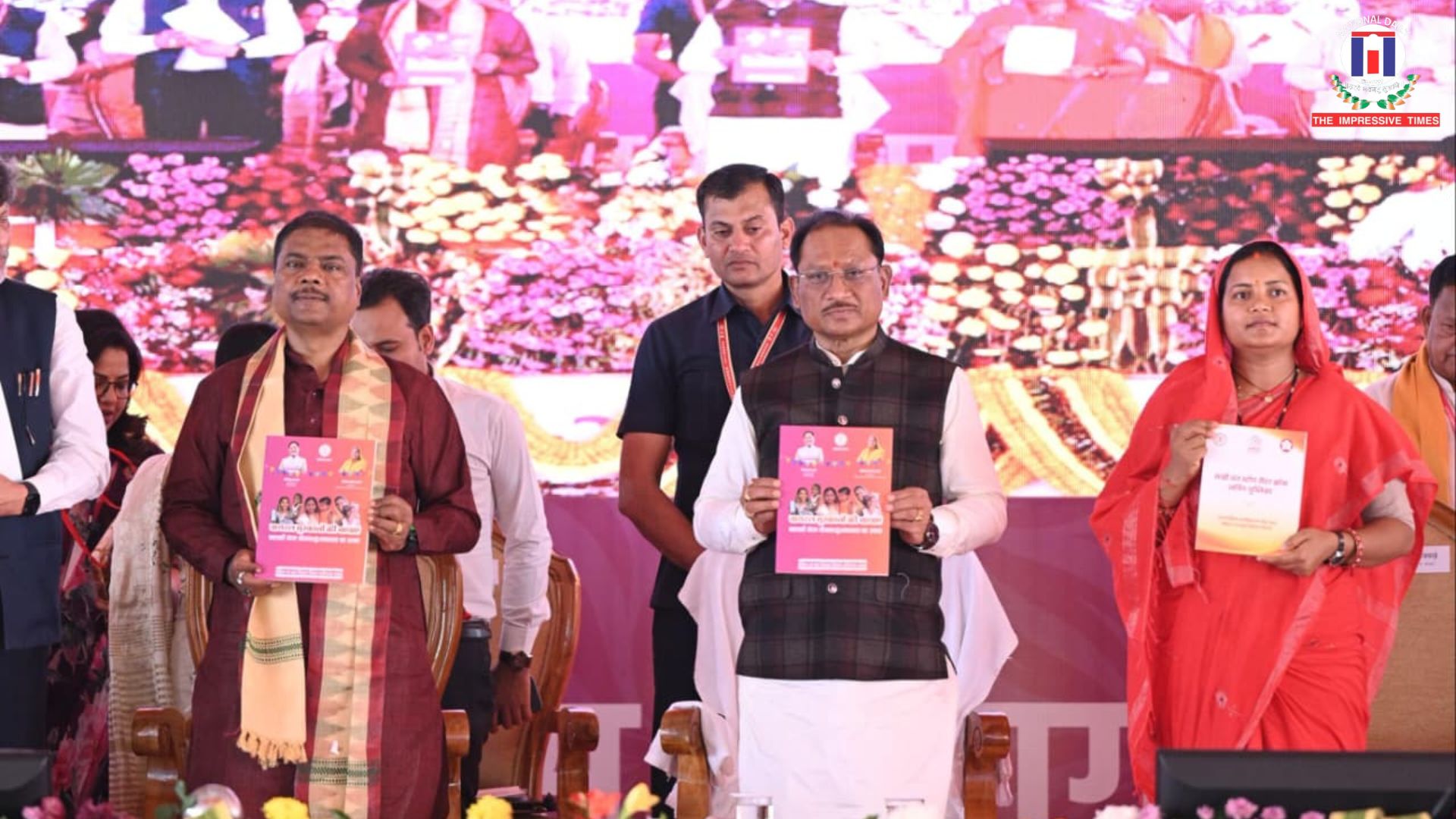
Two key technical publications were launched:
-
Standard Operating Procedures for the Safety and Dignity of Sanitation Workers in Rural India
-
Protocol for Developing Climate Resilient Sanitation Technical Designs and Services
UNICEF Chief WASH & CCES Karina Malczweska and SBM-G Mission Director Shri Kamal Kishore Soan highlighted the urgent need to build climate-resilient and inclusive sanitation systems. Shri Sushil Kumar Lohani, Additional Secretary, Ministry of Panchayati Raj, led a session on strengthening Panchayati Raj Institutions (PRIs), noting the role of over 2.5 lakh Panchayats in implementing local sanitation initiatives via the e-GramSwaraj platform and Panchayat Advancement Index.
Best practices from Gram Panchayats showcased 100% waste segregation, composting, and eco-friendly innovations under the Clean and Green Panchayat initiative. The review session noted 80% of targeted villages have achieved ODF Plus Model status (54% verified), 91% coverage in greywater management, and 87% in solid waste management.
As SBM-G completes a decade, the workshop reaffirmed its transition toward a people-centric, climate-smart, and locally anchored mission for a cleaner, healthier, and more equitable rural India.





























No Comments: