Kejriwal, Sisodia Among 23 Discharged In Delhi Liquor Policy Case
Kejriwal, Sisodia Discharged in Delhi Liquor Policy Case: How It Differs from Acquittal

 The Impressive Times
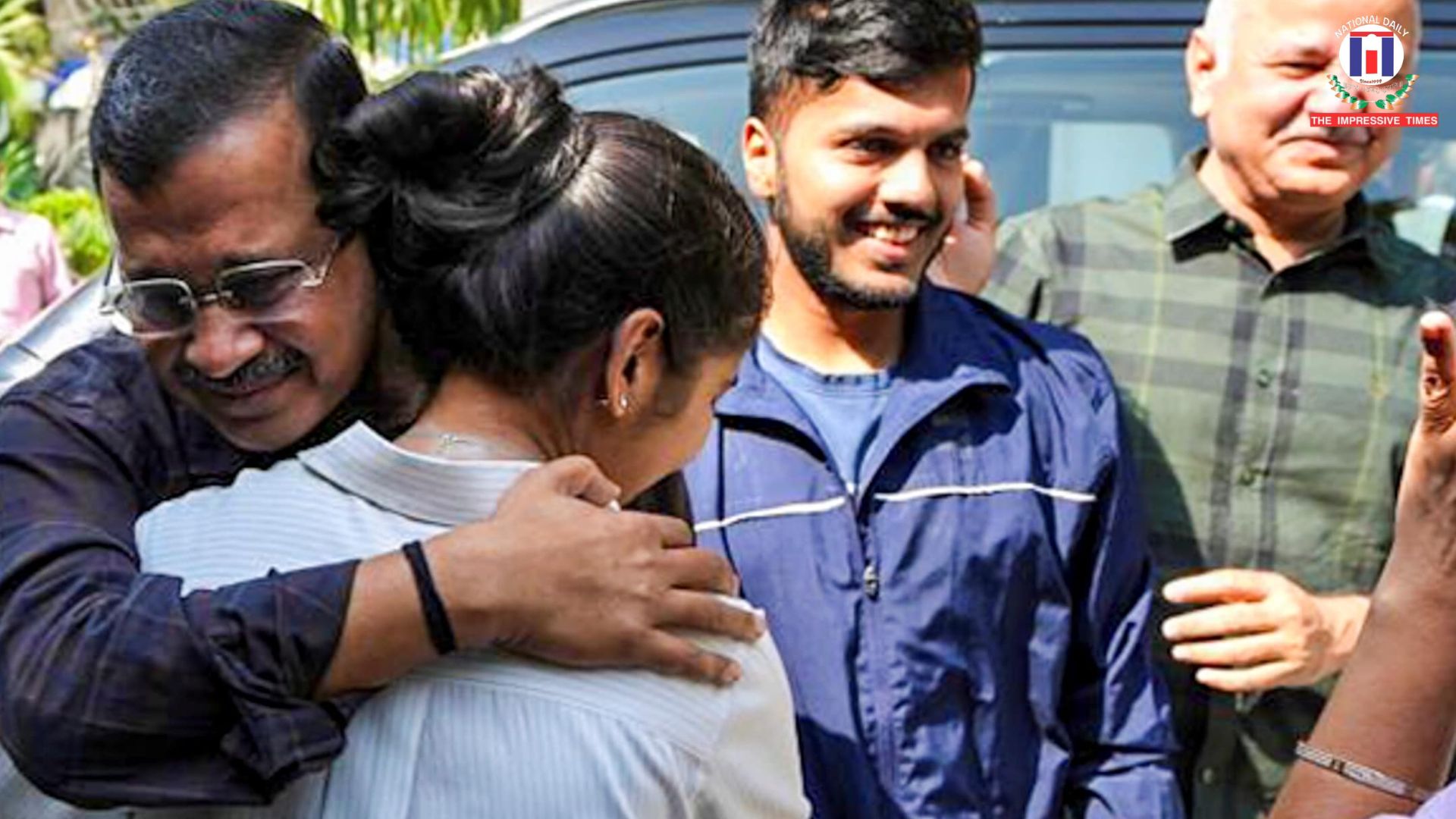
New Delhi | February 27, 2026: A Delhi court has discharged Arvind Kejriwal, Manish Sisodia, and 21 others in the Delhi excise policy case, ruling that there was no sufficient material to proceed to trial. The order was passed by Special Judge Jitender Singh at Rouse Avenue Court, effectively halting criminal proceedings at a preliminary stage.
The case had been filed by the Central Bureau of Investigation (CBI), which alleged criminal conspiracy and corruption in the formulation of Delhi’s now-scrapped liquor policy. The agency claimed that a “south lobby” paid ₹100 crore in kickbacks to influence policy decisions. However, the court found no overarching conspiracy or criminal intent and held that the allegations were built more on conjecture than concrete evidence.
The legal distinction between “discharge” and “acquittal” is crucial. A discharge occurs before a trial begins. At this stage, the court examines the chargesheet to determine whether a prima facie case exists — meaning whether there is enough material, on the face of it, to frame charges and proceed with trial. If the court finds the evidence insufficient even at this initial threshold, it can discharge the accused.
An acquittal, by contrast, comes after a full trial where evidence is tested, witnesses are examined, and arguments are heard. In this case, the proceedings were stopped before charges were formally framed, meaning the court concluded there was not enough substance to even begin trial.
The CBI has indicated it will challenge the order before the Delhi High Court through a revision petition. Legally, discharge does not prevent investigators from refiling charges if fresh evidence emerges or if a higher court overturns the order.
Parallel to the CBI case, the Enforcement Directorate (ED) is pursuing a separate money laundering investigation under the Prevention of Money Laundering Act. Kejriwal had previously been arrested in connection with both probes and spent over five months in jail before securing bail from the Supreme Court.
Outside the court, Kejriwal became emotional, stating that the ruling had vindicated him and his colleagues. He accused Prime Minister Narendra Modi and Union Home Minister Amit Shah of orchestrating a political conspiracy against the Aam Aadmi Party.
The Bharatiya Janata Party responded by calling the order a technical matter subject to appeal, emphasizing that the legal process is not yet over.
The discharge is significant because it suggests that, at least at this stage, the court did not find the prosecution’s material strong enough to justify a criminal trial. However, with appeals likely and parallel investigations ongoing, the legal and political battle surrounding the excise policy case may continue.



















No Comments: