Israel Rejects Pakistan as Mediator in Iran Conflict, Says Envoy Reuven Azar
Israel questions Islamabad’s credibility even as US engages Pakistan and violence surges in Lebanon

 The Impressive Times
New Delhi: Israel has cast doubt on Pakistan’s ability to act as a mediator in the ongoing tensions involving Iran, even as diplomatic efforts continue behind the scenes.
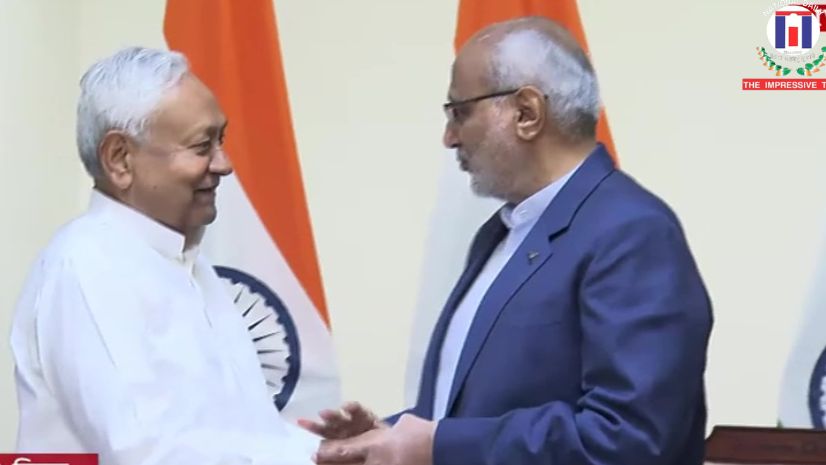
Speaking in the Indian capital, Reuven Azar made it clear that Israel does not consider Pakistan a dependable intermediary. He suggested that the United States’ engagement with Islamabad is driven by its own strategic priorities rather than a reflection of Pakistan’s credibility.
According to the envoy, Washington has previously worked with countries like Qatar and Turkey to facilitate negotiations in complex situations. However, he emphasized that Israel’s primary focus remains aligned with U.S. objectives regarding outcomes in the conflict.
The remarks come amid a sharp escalation in Lebanon, where recent Israeli strikes targeted central areas of Beirut. The attacks reportedly caused heavy casualties, marking one of the deadliest days in the ongoing confrontation involving Hezbollah.
Despite announcements of a ceasefire in parts of the broader conflict, the situation in Lebanon remains volatile.
U.S. President Donald Trump stated in a media interaction that Lebanon was not included in the ceasefire framework, describing the clashes there as a separate development linked to Hezbollah’s presence.
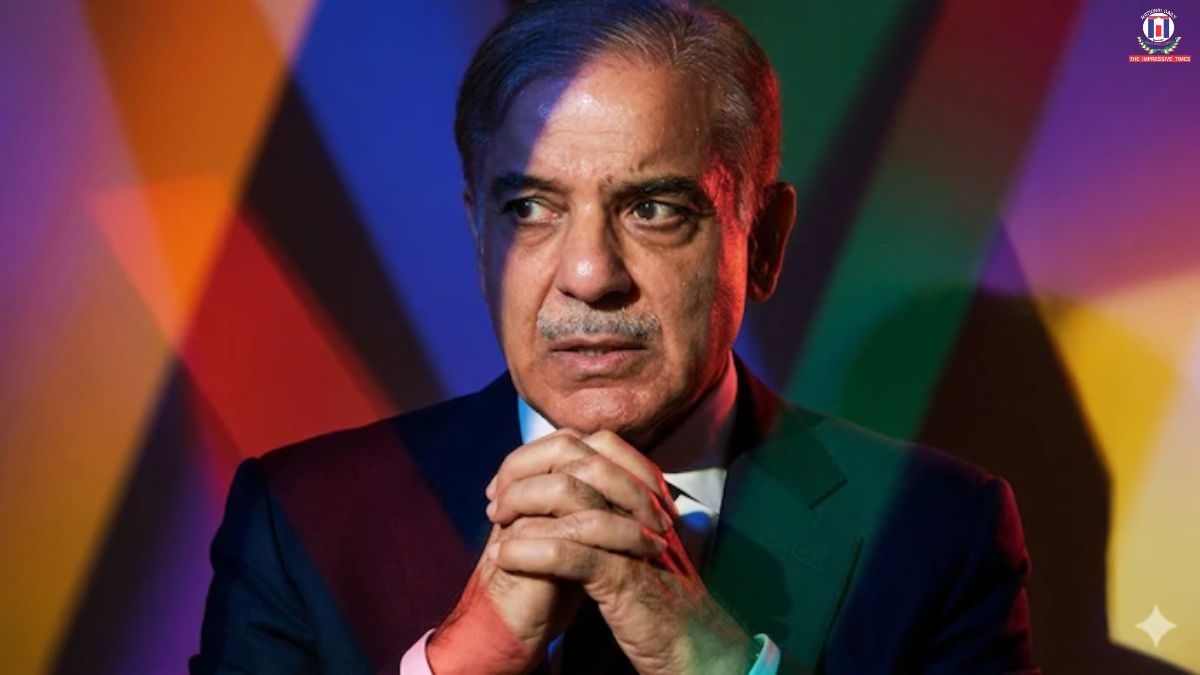
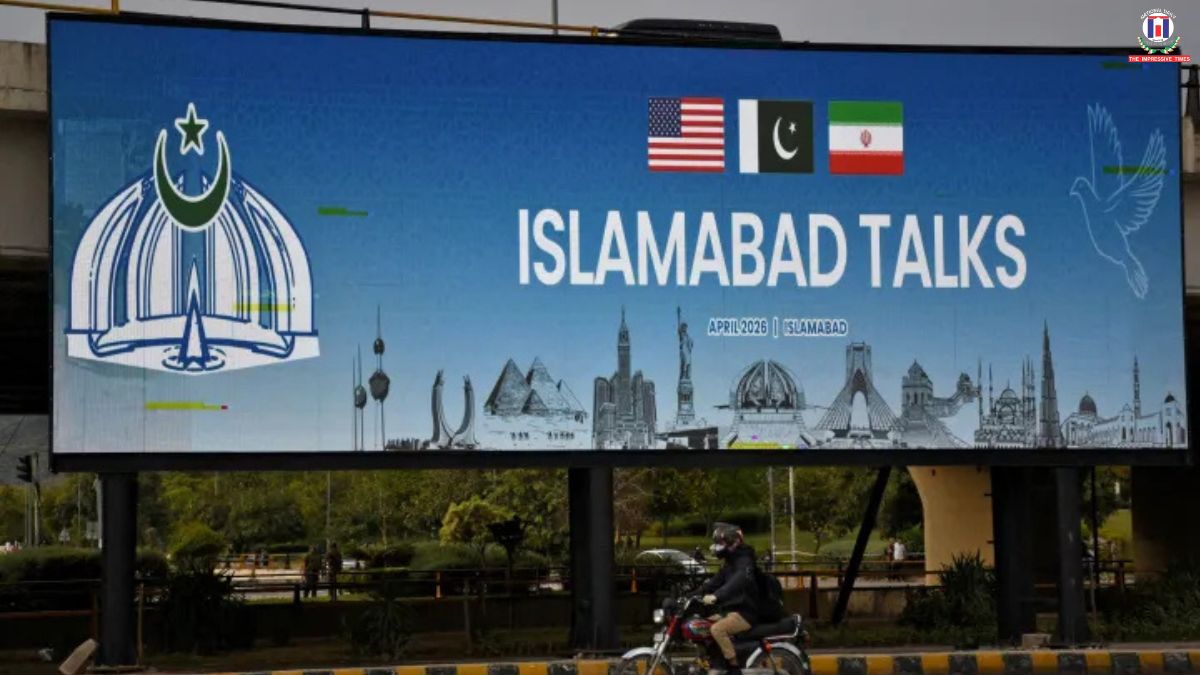
Meanwhile, Pakistan has stepped up its diplomatic outreach. Prime Minister Shehbaz Sharif has invited representatives from both Washington and Tehran to Islamabad for talks aimed at consolidating a broader ceasefire agreement.
Sharif expressed optimism about the initiative, stating that all sides have shown willingness to engage constructively and that the proposed discussions could pave the way for long-term stability in the region.
While diplomatic channels remain active, differences over who can effectively mediate highlight the complexities of the conflict. Israel’s stance underscores lingering trust deficits, even as global powers attempt to de-escalate tensions in a rapidly evolving geopolitical landscape.






































No Comments: