New Delhi : In a significant stride towards modernisation, Indian Railways has approved a ₹398.36 crore project to establish a robust optical fibre cable (OFC) backbone across the Ahmedabad and Ratlam divisions of Western Railway. The initiative underscores a decisive push to upgrade communication infrastructure, laying the foundation for safer operations and a digitally empowered railway network.
At the heart of the project lies the deployment of a 4×48 optical fibre cable system spanning 1929 route kilometres (RKm). Of this, 1456 RKm will be covered in the Ahmedabad division, while 473 RKm will extend across the Ratlam division. This extensive network expansion is expected to significantly enhance communication capacity, reliability, and resilience—key components in the functioning of a modern railway system.
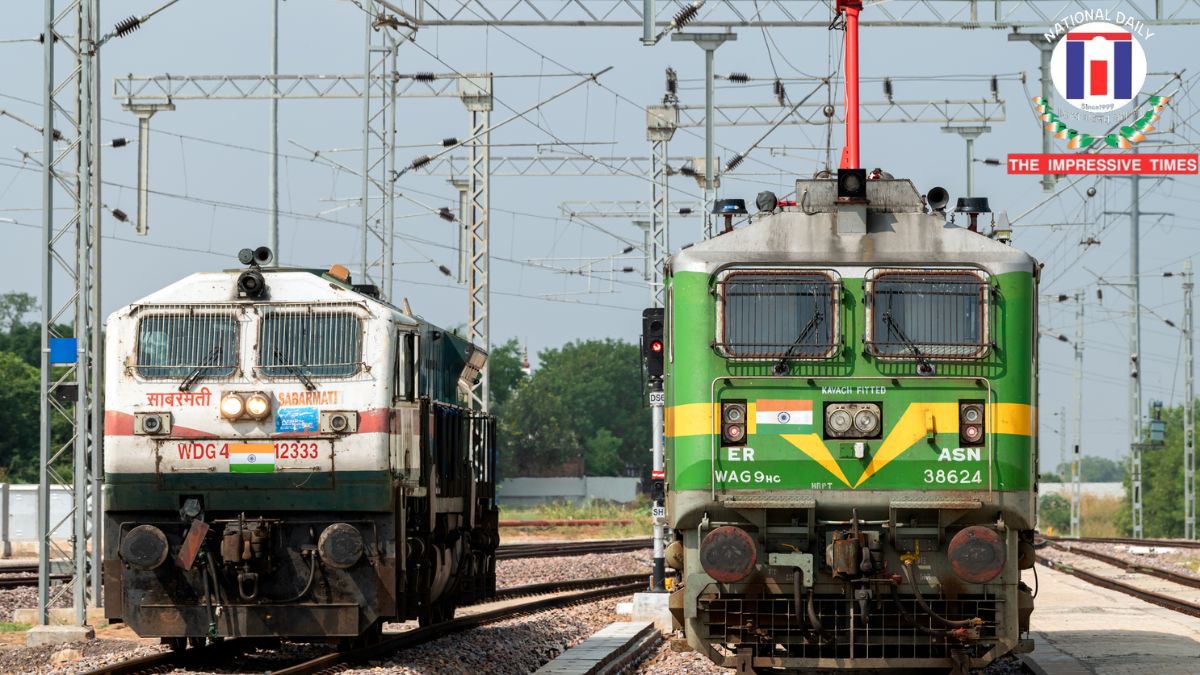
The project is part of a broader national effort under the ambitious umbrella programme aimed at implementing Kavach, an indigenous train collision avoidance system. With an overarching sanctioned cost of ₹27,693 crore under the Works Programme 2024–25, the initiative reflects the scale and urgency with which Indian Railways is pursuing technological transformation. A dedicated sub-umbrella allocation of ₹2,800 crore for Western Railway further highlights the strategic importance of this zone in the overall upgrade plan.
The significance of the OFC backbone extends far beyond improved connectivity. In today’s railway ecosystem, communication networks are the nervous system that supports signalling, monitoring, and real-time decision-making. By strengthening this backbone, Indian Railways is enabling seamless data transmission, which is critical for the effective functioning of advanced safety systems like Kavach. The integration of Long Term Evolution (LTE)-based communication further enhances the system’s capability to handle high-speed, high-volume data exchange.
Safety, long a central concern in railway operations, stands to gain immensely from this development. Kavach relies on continuous communication between trains, tracks, and control centres to prevent collisions and ensure smooth operations. A high-capacity fibre network ensures that this communication remains uninterrupted, accurate, and instantaneous. In this sense, the OFC project is not merely an infrastructure upgrade—it is a safety imperative.
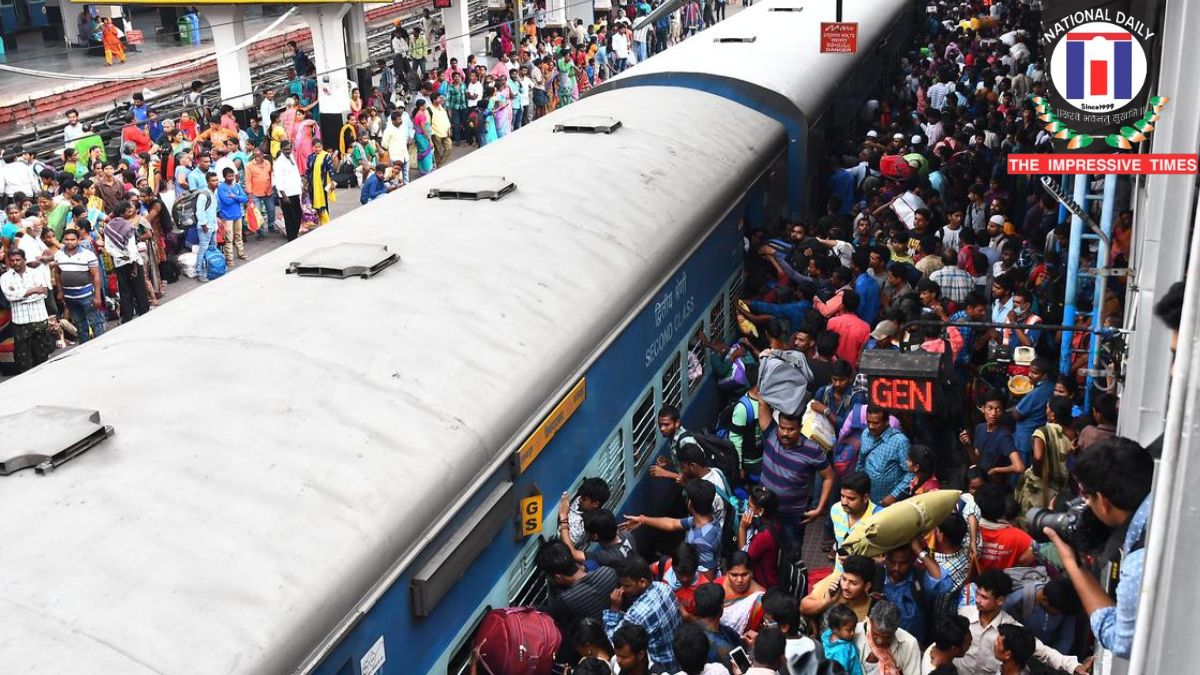
Equally important is the impact on operational efficiency. Enhanced communication systems enable better coordination of train movements, quicker response to disruptions, and more efficient utilisation of resources. For passengers, this translates into improved punctuality, better information systems, and an overall enhanced travel experience. For freight operations, it means greater reliability and faster turnaround times, contributing to economic efficiency.
The project also reflects a broader shift in how infrastructure is conceptualised in India. No longer limited to physical assets like tracks and trains, modernisation now encompasses digital infrastructure as a core component. Optical fibre networks, data systems, and communication technologies are becoming as critical as steel and concrete in shaping the future of transportation.
However, the success of such initiatives will depend on timely execution and effective integration with existing systems. Large-scale infrastructure projects often face challenges related to coordination, technical complexity, and resource allocation. Ensuring that the OFC network is deployed efficiently and seamlessly integrated with signalling and safety systems will be crucial.
Moreover, as Indian Railways embraces digital transformation, issues of cybersecurity and data management will also come to the forefront. A more connected network, while efficient, must also be secure against potential vulnerabilities. Building robust safeguards alongside infrastructure development will be essential to sustain long-term gains.
This project, though focused on specific divisions, carries national implications. It represents a model that can be replicated across other zones, accelerating the pace of digital adoption throughout the railway network. As India continues to invest in high-speed corridors, dedicated freight routes, and smart stations, a strong communication backbone will be indispensable.
In many ways, the approval of this project signals a quiet but profound transformation. It is not as visible as a new train or a grand station, yet its impact will be deeply felt across the system. By strengthening the invisible threads that connect its vast network, Indian Railways is preparing itself for a future where safety, speed, and efficiency are driven as much by data as by infrastructure.
The journey towards a modern railway system is complex and ongoing, but initiatives like this bring that vision closer to reality—one fibre at a time.











































No Comments: