Gulf Nations Urge Continued US Strikes on Iran, Israeli Media Reports
Regional powers reportedly back sustained military action against Iran as security concerns intensify across West Asia

 The Impressive Times
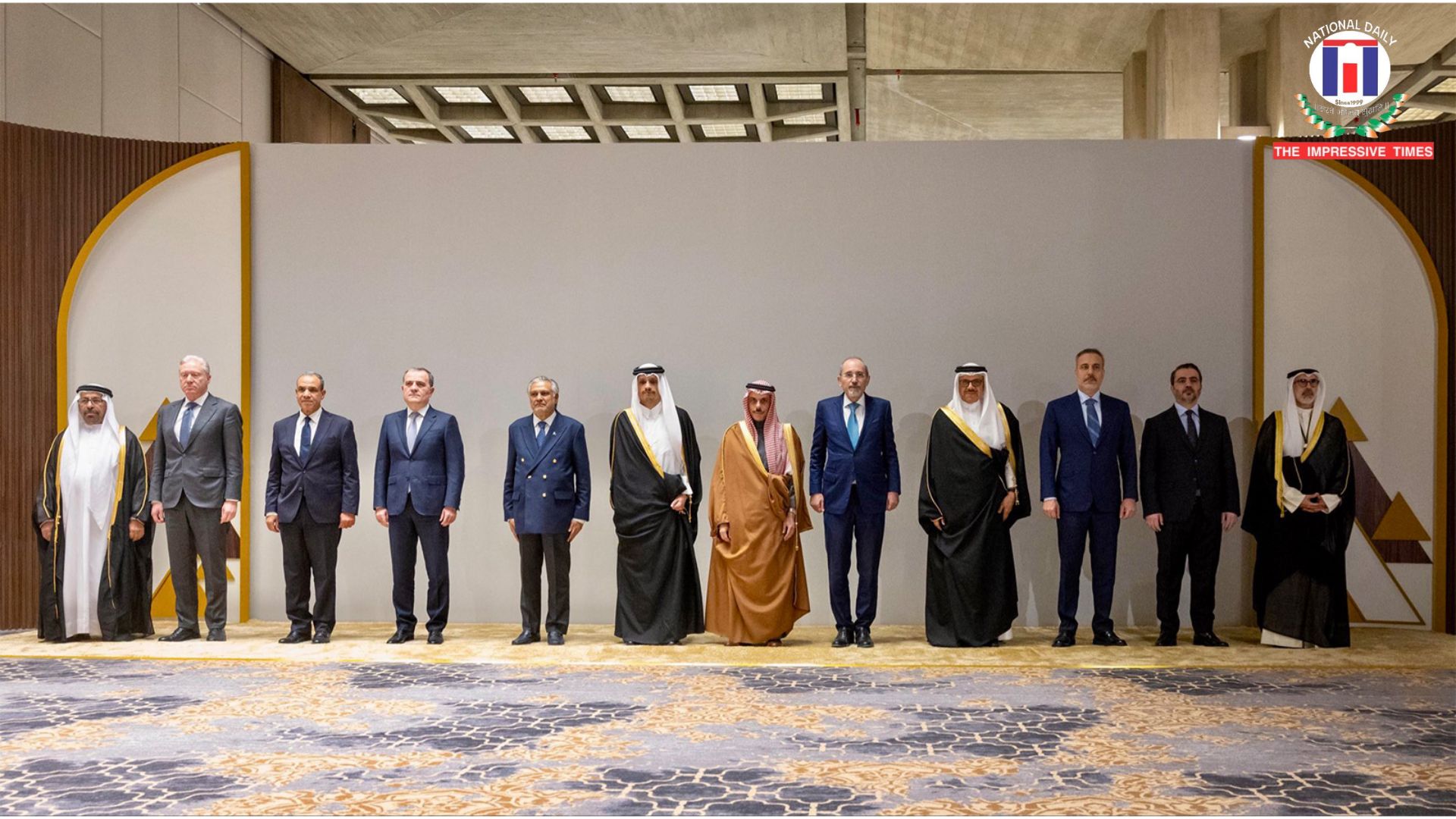
Dubai, March 23, 2026: Several Gulf countries are reportedly encouraging the United States to continue its military strikes against Iran, according to Israeli media reports, amid growing fears over Tehran’s expanding missile and drone capabilities.
The reports suggest that Gulf leadership views ongoing US operations as necessary to significantly weaken Iran’s military infrastructure and prevent future attacks in the region. This comes as tensions remain high following weeks of escalating conflict involving the US, Israel, and Iran.
Recent assessments indicate that Gulf states, while cautious about direct involvement, prefer that Washington does not halt its campaign prematurely. Their concern is that any incomplete action could allow Iran to rebuild its capabilities and continue posing a threat to regional stability.
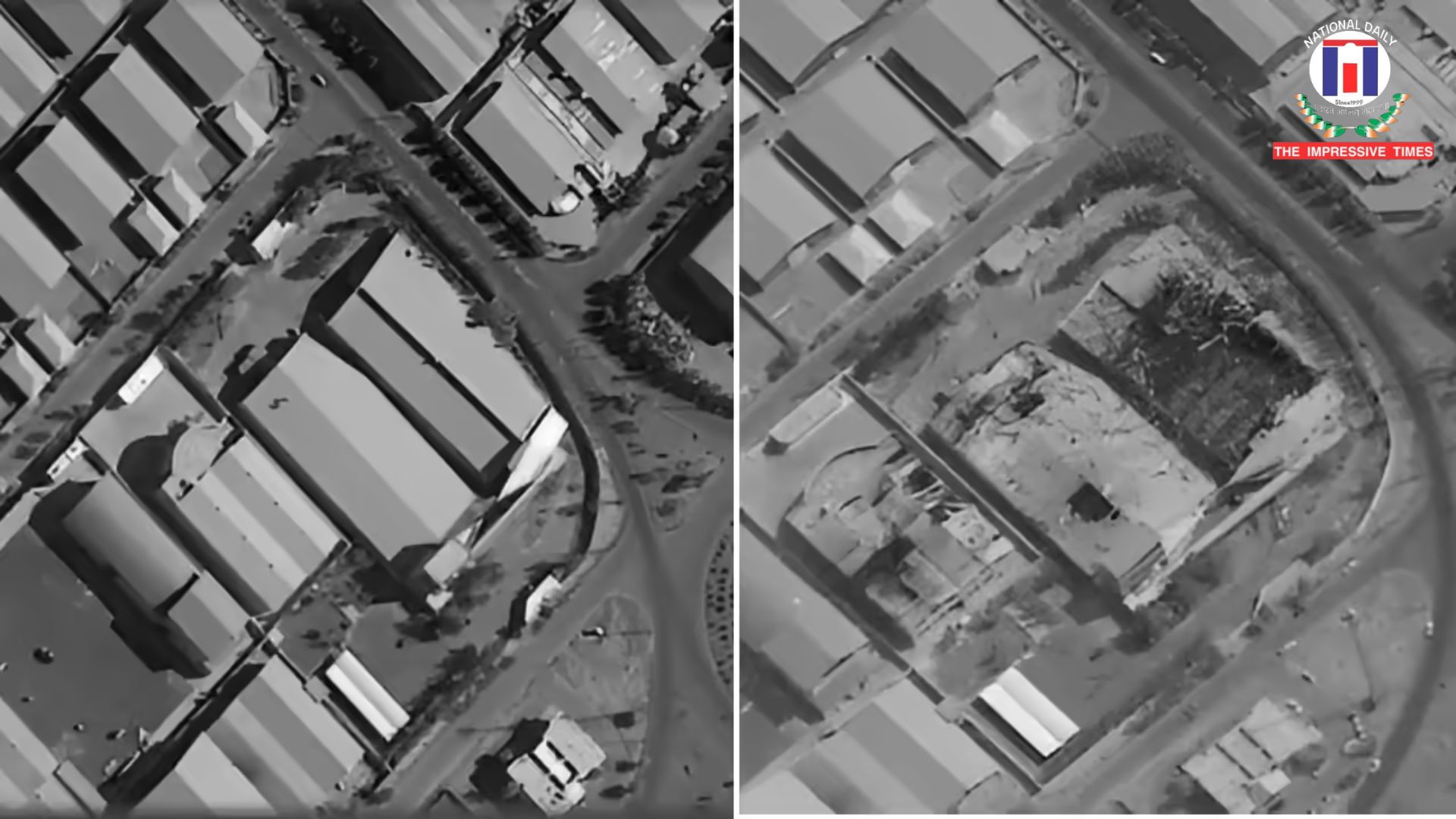
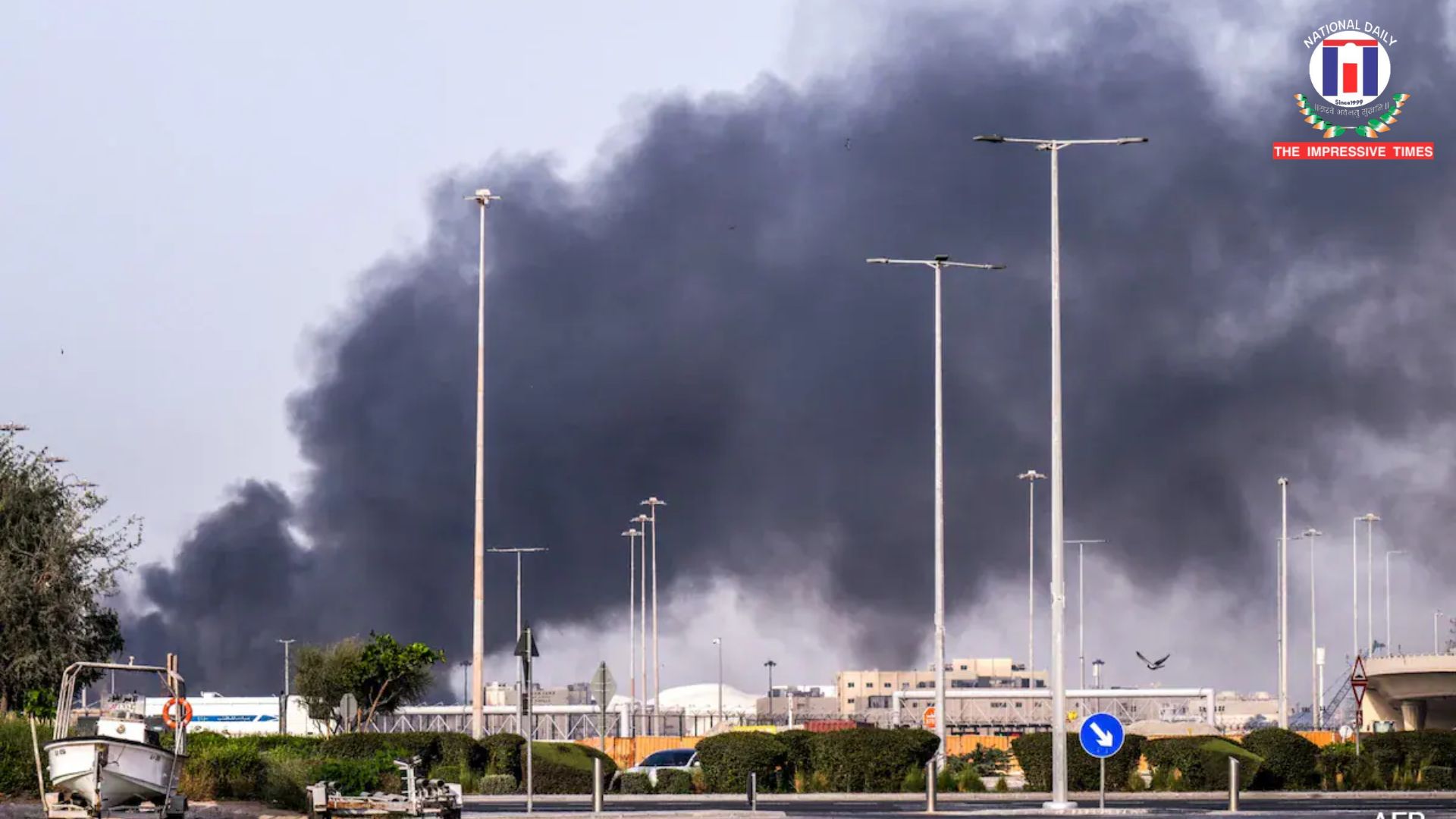
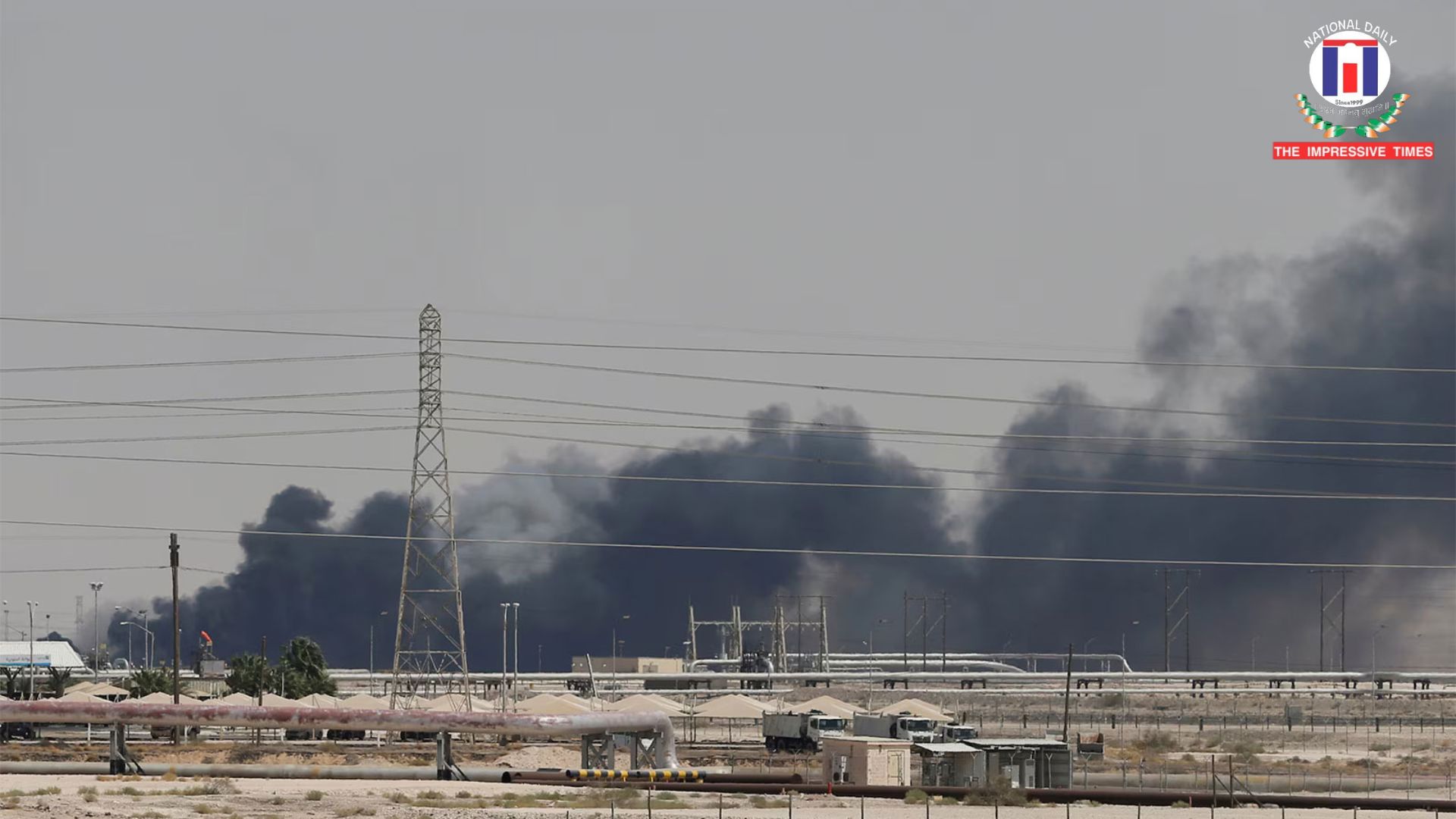
The push for continued strikes follows a series of Iranian missile and drone attacks targeting Gulf countries, including Saudi Arabia, the UAE, and Bahrain, which have impacted civilian areas and critical infrastructure.
Despite this, Gulf nations have largely maintained a stance of strategic restraint publicly, avoiding direct participation in the conflict while relying on US military support to counter threats from Iran.
Reports also indicate that internal divisions persist within the Gulf Cooperation Council, as leaders balance the need for security with fears of escalation and retaliation from Tehran.
Some officials in the region believe that sustained US action could shift the strategic balance and reduce long-term risks, particularly around vital routes such as the Strait of Hormuz, a key global energy corridor.
At the same time, diplomatic channels remain active, with regional and international stakeholders attempting to de-escalate the situation and prevent a broader war.
The developments highlight the complex position of Gulf states, which are caught between security dependence on the United States and the risks posed by an intensifying regional conflict.
As the situation evolves, the role of external powers and regional alliances is expected to play a decisive role in shaping the trajectory of the ongoing crisis.





































No Comments: