Union Minister Dr Jitendra Singh Urges Private Sector to Boost Participation in R&D
Dr Jitendra Singh Urges Private Sector to Boost Participation in India’s R&D Ecosystem

 The Impressive Times
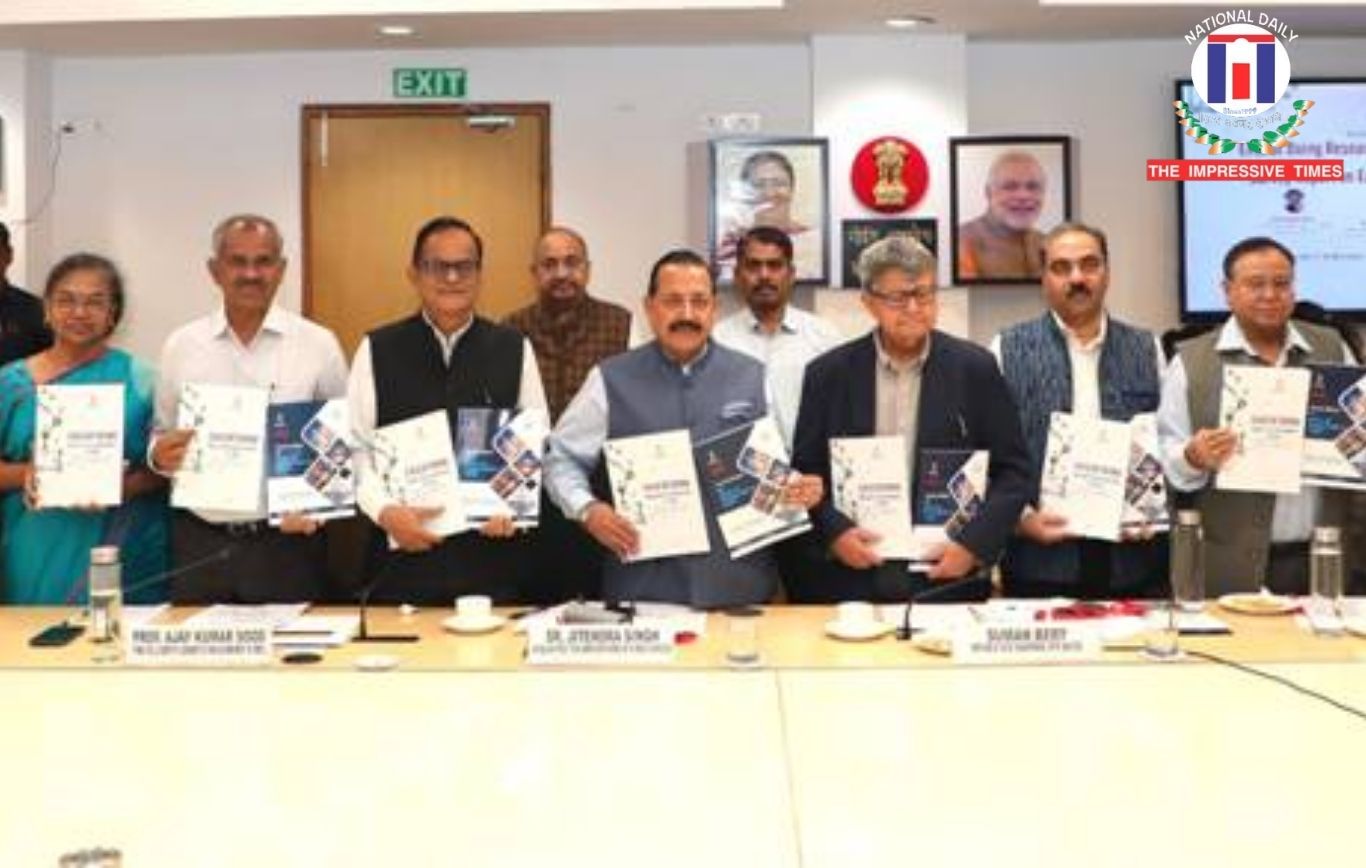
New Delhi, April 9, 2026: Union Minister for Science & Technology and Earth Sciences, Dr Jitendra Singh, today called on the private sector to accelerate its engagement in research and development, highlighting industry participation as critical for strengthening India’s innovation ecosystem. He stressed that government initiatives alone cannot sustain long-term scientific progress, and industry collaboration is key to translating research into practical solutions.
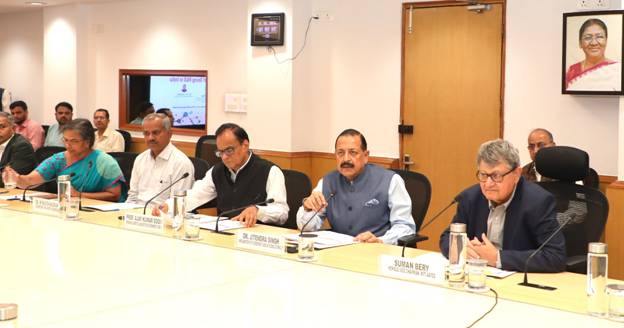
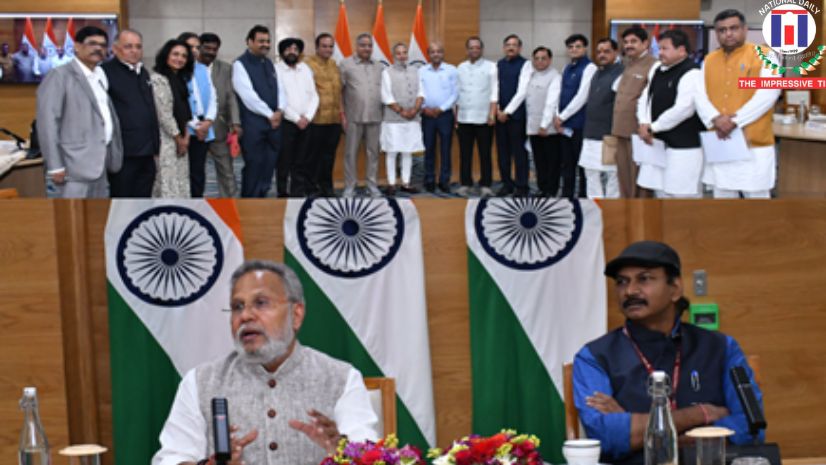
Speaking at the release of two NITI Aayog reports on easing R&D processes, Dr Singh pointed to reforms opening up sectors such as space and nuclear energy for private players and highlighted mechanisms like the Research, Development and Innovation (RDI) fund designed to incentivize industry involvement.
The Minister emphasised that systemic reforms and a change in mindset are needed to improve research productivity. He underlined the importance of easing funding access, reducing administrative bottlenecks, and encouraging philanthropic contributions to ensure a robust support structure for scientists and innovators.
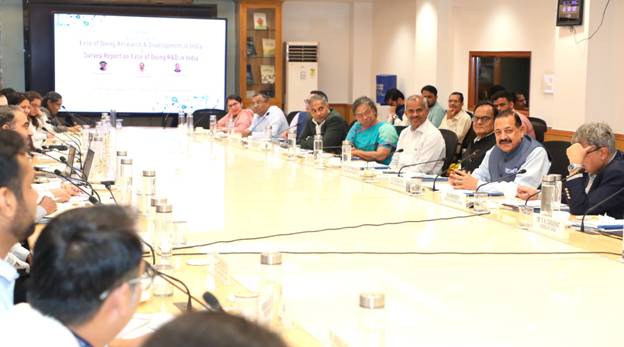
Dr Singh noted a mismatch between India’s expanding scientific capabilities and existing procedural frameworks. While the country boasts abundant scientific talent increasingly recognised globally, institutional frictions continue to hinder research outcomes, slowing progress and limiting interdisciplinary collaboration.
Highlighting the evolving nature of research, he said that scientific work today is intertwined with industry, finance, and global partnerships, making it essential to create systems that facilitate cross-sectoral engagement. He urged private players to invest actively in R&D and partner with public institutions to leverage these opportunities.
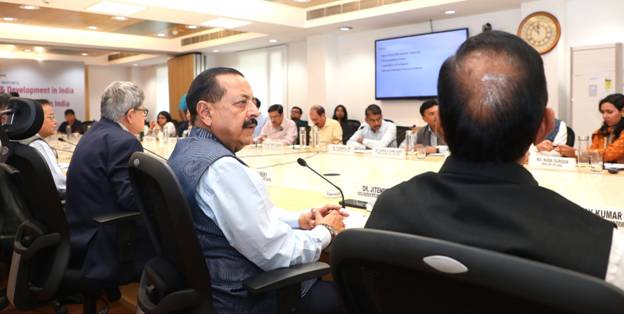
The Minister also cited initiatives like “One Nation, One Subscription” for research journals, which improve access to scientific knowledge, while stressing that even small improvements in funding flows, approvals, and administrative clearances can significantly boost research efficiency.
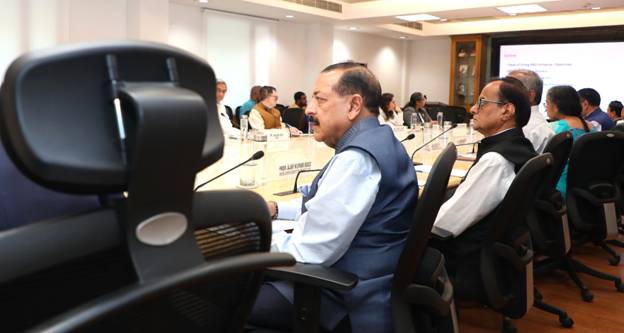
Experts from NITI Aayog, including Vice Chairman Suman Bery and Member V. K. Saraswat, echoed the call for coordinated, system-wide reforms. They highlighted persistent inefficiencies such as funding delays, administrative bottlenecks, and limited corporate engagement, advocating for greater autonomy, better institutional linkages, and alignment with global research practices.
Dr Singh concluded by urging sustained engagement from all stakeholders, stating that science is too important to be left solely to scientists. He called for collective action from institutions, industry, and society to ensure research translates into scalable technologies, products, and real-world solutions.








































No Comments: