₹11,169 Cr Green Signal: Cabinet Approves Four Major Railway Multi-Tracking Projects Across Six States
574 km railway expansion across 13 districts to enhance connectivity, generate 229 lakh employment days, and reduce carbon emissions by 515 crore kg
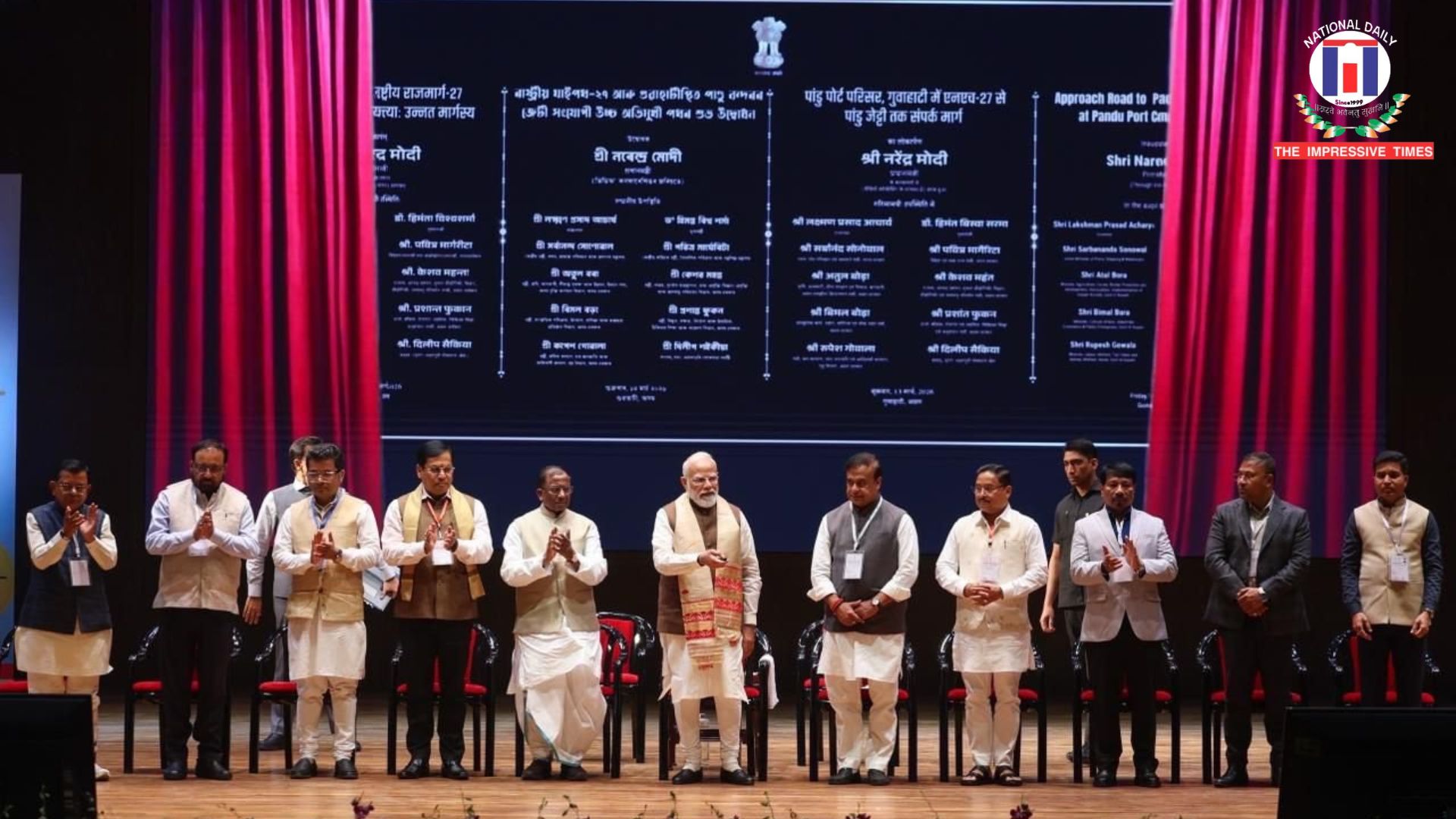
New Delhi, July 31, 2025 — In a significant step towards strengthening India’s railway infrastructure and boosting economic growth, the Union Cabinet, chaired by Prime Minister Narendra Modi, has approved four major railway multi-tracking projects under the Ministry of Railways. These projects, with a combined estimated cost of ₹11,169 crore, will expand the Indian Railways network by approximately 574 kilometers and are expected to be completed by 2028–29.
The approved projects include the Itarsi–Nagpur 4th Line, Aurangabad (Chhatrapati Sambhajinagar)–Parbhani Doubling, Aluabari Road–New Jalpaiguri 3rd and 4th Line, and Dangoaposi–Jaroli 3rd and 4th Line. Spanning across 13 districts in Maharashtra, Madhya Pradesh, West Bengal, Bihar, Odisha, and Jharkhand, the projects are set to benefit over 43.6 lakh people in 2,309 villages by significantly improving railway connectivity in the region.
The government anticipates that these multi-tracking projects will create around 229 lakh human-days of direct employment during the construction phase. Beyond employment generation, the enhanced rail capacity is expected to improve passenger mobility and freight transportation. The upgraded network will support the movement of critical commodities such as coal, cement, clinker, fly ash, petroleum products, containers, and agricultural goods, leading to an additional freight traffic capacity of 95.91 million tonnes per annum (MTPA).
These projects are being developed under the PM Gati Shakti National Master Plan, which focuses on integrated infrastructure planning, multi-modal connectivity, and logistical efficiency. The expanded railway capacity is expected to ease congestion, improve operational reliability, and reduce transit time, making India’s logistics system more competitive and cost-effective.
In line with India’s climate goals, these railway projects also contribute to environmental sustainability. The increased freight capacity and improved rail operations are expected to reduce oil imports by 16 crore litres and cut carbon dioxide emissions by 515 crore kilograms — equivalent to the environmental benefit of planting 20 crore trees. This move also supports the government’s broader vision of a self-reliant India, or Aatmanirbhar Bharat, by enabling better infrastructure access for regional industries and rural communities.
With a focus on integrated development, environmental protection, and economic empowerment, these multi-tracking projects reflect the Modi government’s commitment to transforming the Indian Railways into a world-class transportation network while simultaneously creating jobs, promoting trade, and improving the ease of living for millions of citizens.
































No Comments: