Amit Shah Launches India’s First Cooperative-Based Taxi Service ‘Bharat Taxi’, Puts Drivers in the Owner’s Seat
New cooperative model promises zero commission, women-centric safety features, and nationwide expansion within three years

 The Impressive Times
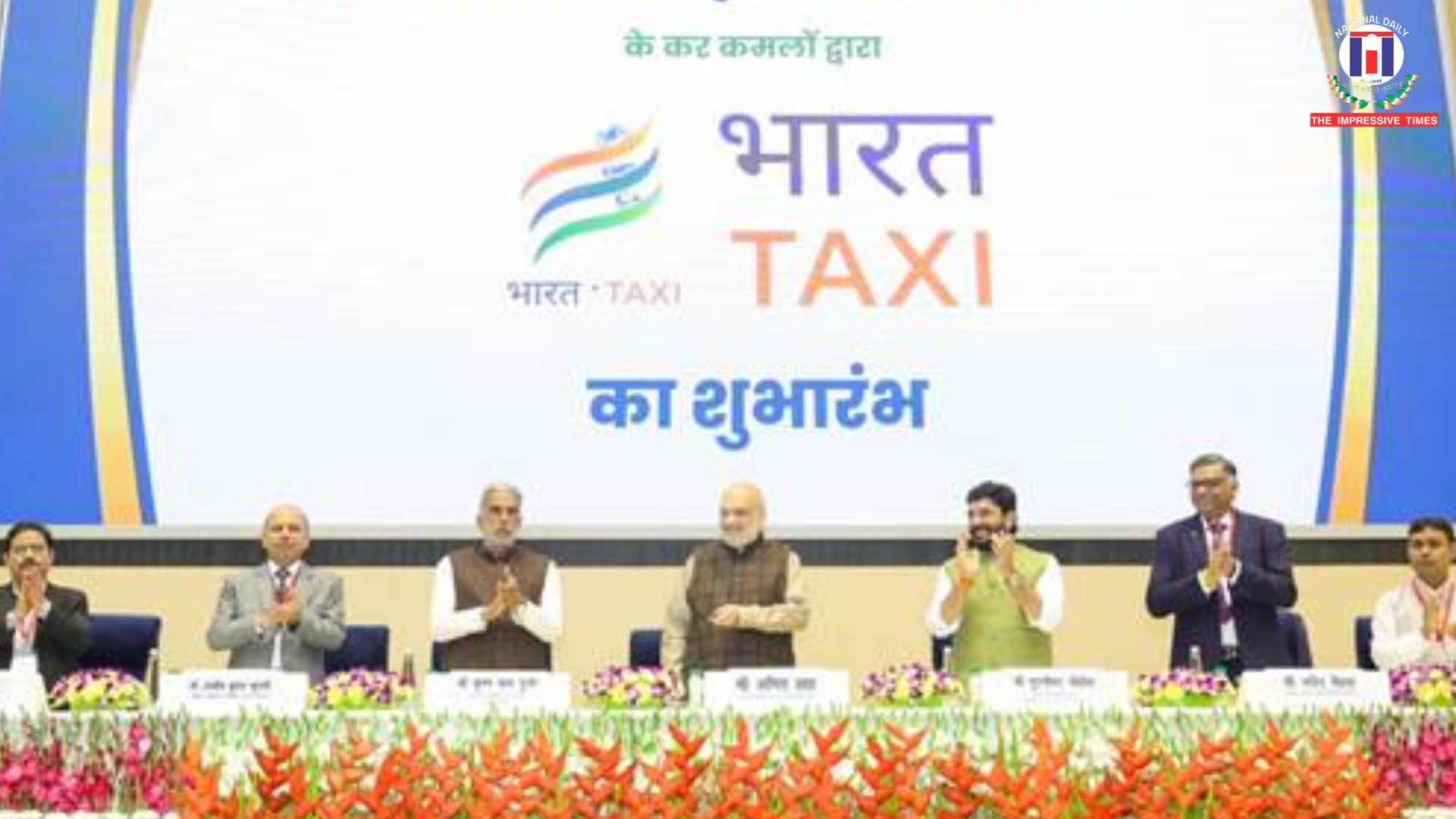
New Delhi, February 5:In a landmark step towards reshaping India’s gig economy, Union Home and Cooperation Minister Amit Shah on Wednesday unveiled ‘Bharat Taxi’, the country’s first cooperative-based taxi platform, placing ownership directly in the hands of drivers rather than corporations.
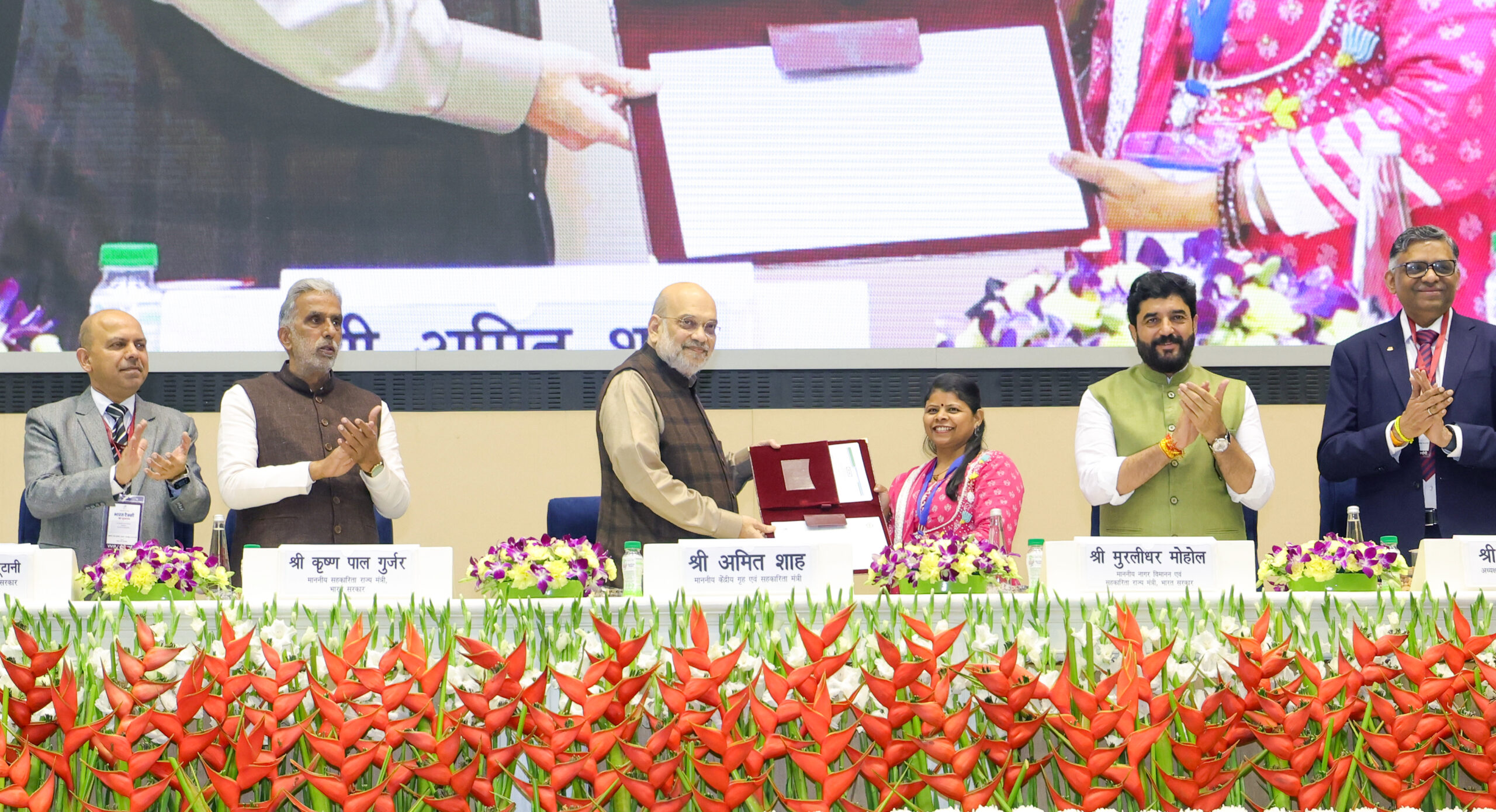
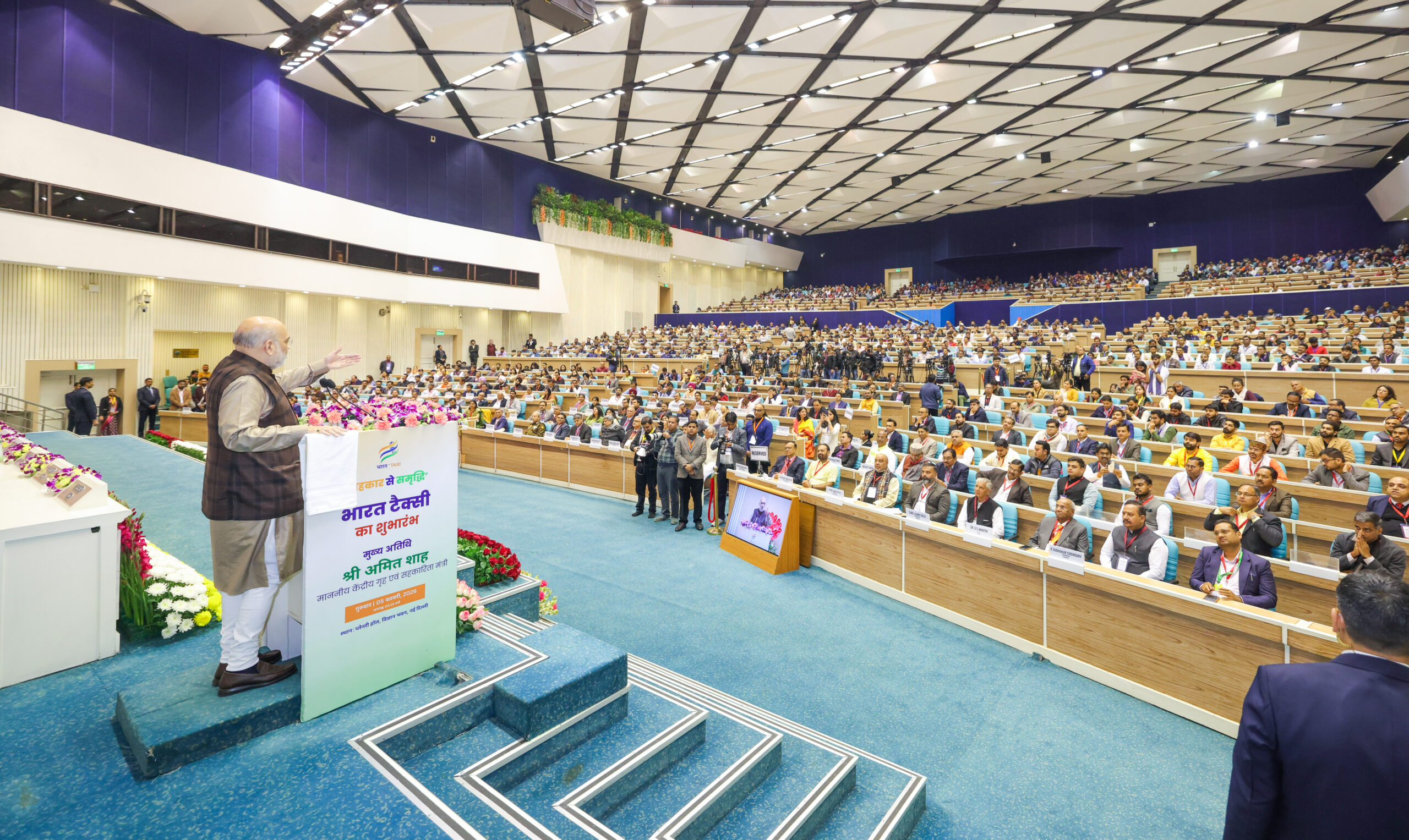
The initiative, launched in the national capital, reflects the government’s broader vision of empowering workers in the unorganised sector through cooperative ownership models. The programme was attended by Minister of State for Cooperation Krishan Pal Gurjar, Murlidhar Mohol, Cooperation Secretary Dr. Ashish Kumar Bhutani, and representatives from multiple partner institutions. Over 1,200 taxi drivers, referred to as Sarathis, participated in the event.
Unlike conventional app-based cab services, Bharat Taxi is structured as a cooperative society where each registered driver becomes a shareholder. With a maximum share capital of just ₹500, drivers gain voting rights and decision-making power, ensuring that profits generated by the platform flow back to those behind the wheel.
Addressing the gathering, Amit Shah said the initiative is rooted in the distinction between government control and cooperative participation. He underlined that Bharat Taxi is not a state-run enterprise but a people-owned platform, designed to ensure economic dignity and financial independence for drivers.
A key feature of the model is the absence of commission deductions from drivers’ earnings. Customer payments are credited directly and instantly to the driver’s bank account, eliminating delays and hidden charges. The cooperative retains a limited portion of profits solely for operational sustainability—ownership of which also remains with the drivers.
Bharat Taxi introduces a dedicated ‘Sarathi Didi’ feature aimed at enhancing safety and mobility for women passengers. Through this option, women commuters can choose rides operated exclusively by women drivers, particularly on two-wheelers, offering a secure and affordable travel alternative. The initiative is positioned as a step toward women’s safety, livelihood generation, and social empowerment.
Within just eight months of pilot operations in Delhi-NCR and Gujarat, the platform has recorded rapid adoption, with over 2.5 lakh drivers and 8.5 lakh passengers enrolling—numbers that rival established private operators. Officials said the service is planned for nationwide expansion within the next three years.
To support operations and service integration, Bharat Taxi has entered into MoUs with nine major institutions, including Delhi Traffic Police, DMRC, Airports Authority of India, SBI, Paytm, IFFCO Tokio, and GMR. These partnerships cover areas such as airport mobility, digital payments, insurance, last-mile connectivity, and priority vehicle financing under government schemes.
A Joint Command and Control Centre with real-time ride monitoring and SOS alerts has also been established to enhance commuter and driver safety.
Drivers associated with Bharat Taxi will gain facilitated access to government welfare schemes, including registration on the e-Shram portal, health coverage under PM Jan Arogya Yojana, accident insurance, and eligibility for credit and subsidy programmes meant for gig workers.
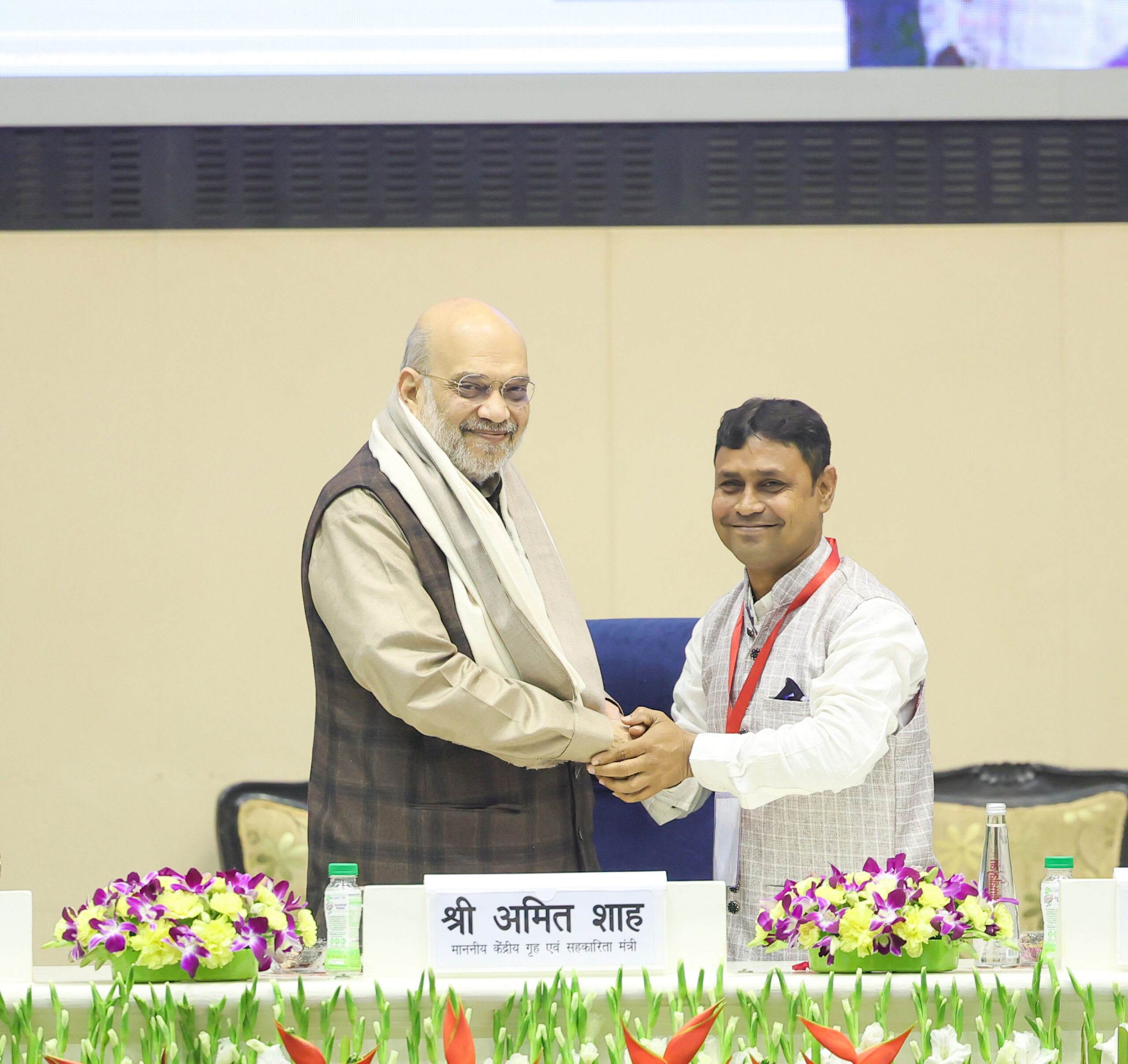
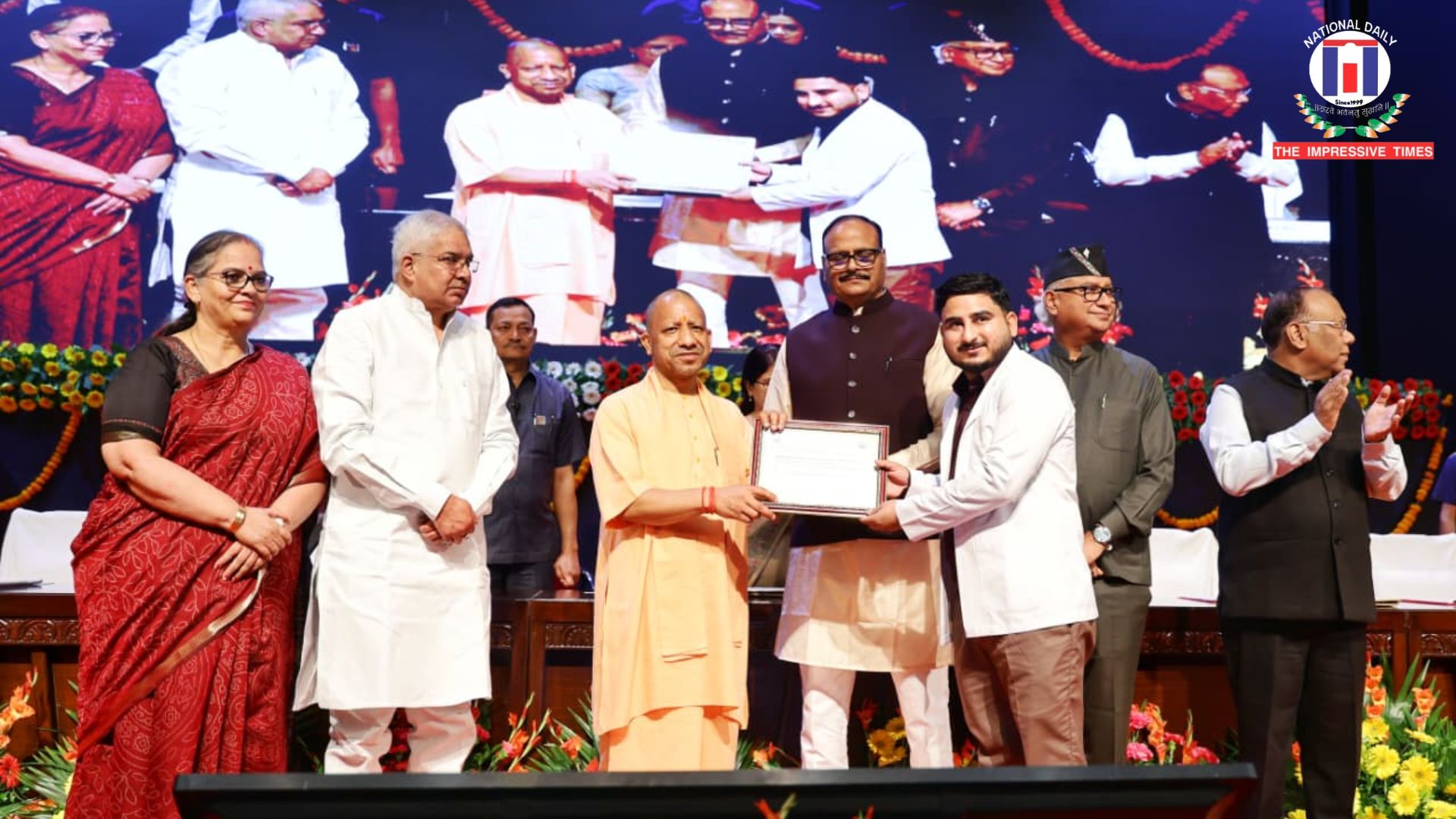
The formal launch was preceded by a 100-car rally from IGI Airport to Vigyan Bhawan, showcasing solidarity among drivers and highlighting the cooperative spirit behind the initiative. Top-performing drivers were honoured during the event and provided with insurance coverage worth ₹5 lakh.
Calling Bharat Taxi a blueprint for future reforms, Shri Amit Shah said the cooperative model is now poised to expand beyond traditional sectors into newer areas of the economy. He expressed confidence that the initiative would emerge as a sustainable alternative to profit-driven platforms, ensuring fair income, dignity, and long-term security for India’s taxi drivers.
































No Comments: