Washington/Tehran, March 9: A fresh point of disagreement has reportedly emerged between the United States and Israel after Israeli airstrikes targeted multiple fuel storage facilities in Iran, creating massive fires and heavy smoke across parts of Tehran. The attacks appear to have caught officials in Washington off guard, raising concerns about the broader impact of the escalating conflict.
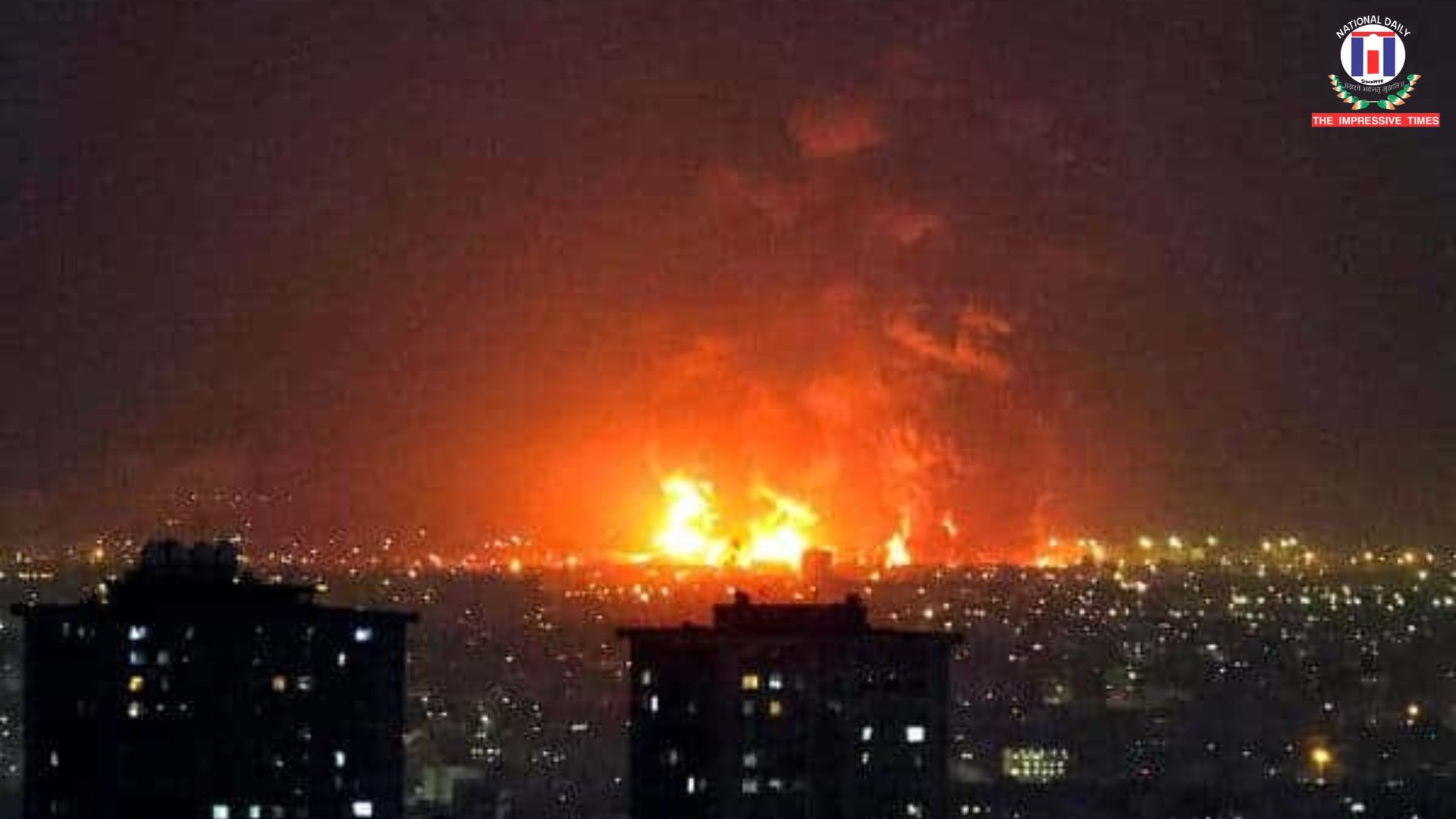
According to reports, Israeli forces carried out airstrikes on around 30 fuel storage sites in Iran, including several facilities located in the capital city, Tehran. The strikes caused large explosions and intense fires, with images from the area showing thick smoke covering sections of the city.
Israel’s military stated that the targeted depots were used by the Iranian government to supply fuel to various sectors, including its military infrastructure. Officials suggested the strikes were also meant to send a warning to Iran amid the ongoing confrontation.
Although Israel reportedly informed the United States before launching the operation, American officials were said to be surprised by the scale and intensity of the attacks. Reports indicate that the administration of Donald Trump was concerned that targeting facilities linked to civilian fuel supply could create unintended consequences.
Officials in Washington fear such strikes could strengthen domestic support for the Iranian leadership, rather than weaken it. There is also concern that images of burning fuel depots could create panic in global energy markets.
Even though the facilities hit were not oil production centres, the destruction of fuel infrastructure has the potential to disrupt supply chains and push global oil prices higher. Energy markets are already sensitive due to the widening conflict in West Asia.
Advisers within the US administration reportedly believe that continued attacks on energy infrastructure could trigger a major spike in fuel prices, something Washington is keen to avoid.
Iranian officials reacted sharply to the strikes and warned that continued attacks on the country’s energy infrastructure would provoke retaliation. Military representatives suggested that Iran has so far avoided targeting energy installations in the region but could change its strategy if the attacks continue.
Iranian leaders also warned that such escalation could cause global oil prices to soar dramatically, potentially reaching extremely high levels if regional energy facilities become targets.
While the United States and Israel remain close allies, the incident highlights possible differences in strategy regarding the ongoing confrontation with Iran. Analysts say Washington is worried that attacks affecting civilian infrastructure could escalate the conflict further and destabilise global energy markets.
As tensions continue to rise in the region, the international community is closely watching whether the situation will move toward wider military escalation or renewed diplomatic engagement.

 The Impressive Times










































No Comments: