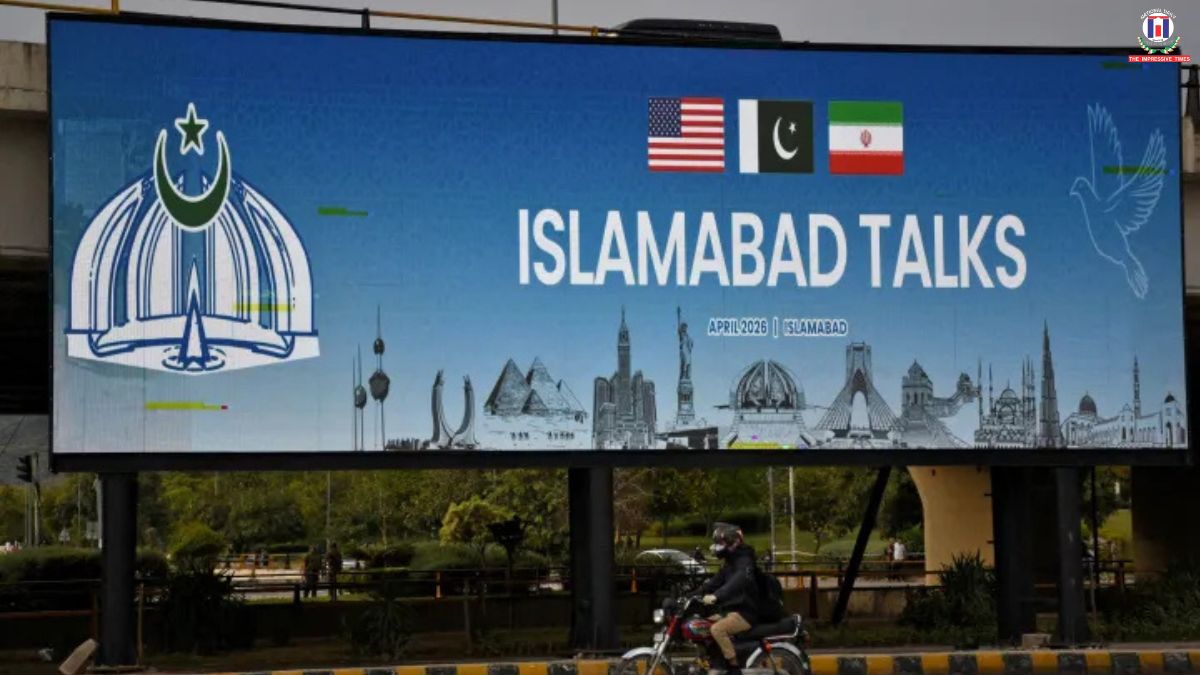
A highly sensitive round of discussions between the United States and Iran is set to take place in Islamabad, Pakistan, as global attention turns toward efforts to stabilize an uneasy ceasefire in the Middle East. The meeting comes at a time when tensions remain high and the peace framework is still considered unstable.
According to early information shared by the White House, the dialogue is scheduled for Saturday morning (April 11, 2026) in Pakistan’s capital. The American delegation is expected to include US Vice President JD Vance along with Special Envoy Steve Witkoff and Jared Kushner.
While Washington has projected cautious optimism ahead of the talks, Iran has not officially confirmed its full negotiating team. However, some reports suggest that senior political figure Mohammad Baqer Ghalibaf may be involved in the discussions.
A proposed 15-point framework reportedly prepared by the United States is believed to include strict conditions such as restrictions on Iran’s nuclear activities, reduction of enriched uranium reserves, limitations on military expansion, and discussions around reopening strategic maritime routes like the Strait of Hormuz. However, the complete details of the proposal have not been made public.
One of the most disputed issues remains the situation involving Lebanon. Iran maintains that Lebanon should be considered part of the ceasefire arrangement and has raised concerns over continued strikes affecting Hezbollah, calling it a violation of the broader understanding. Pakistan has also shown support for including Lebanon in the peace dialogue framework, while the US and Israel do not consider it part of the agreement.
Tensions have further escalated as Iran has reportedly demanded that talks should not progress without a full ceasefire in Lebanon and the return of blocked overseas funds.
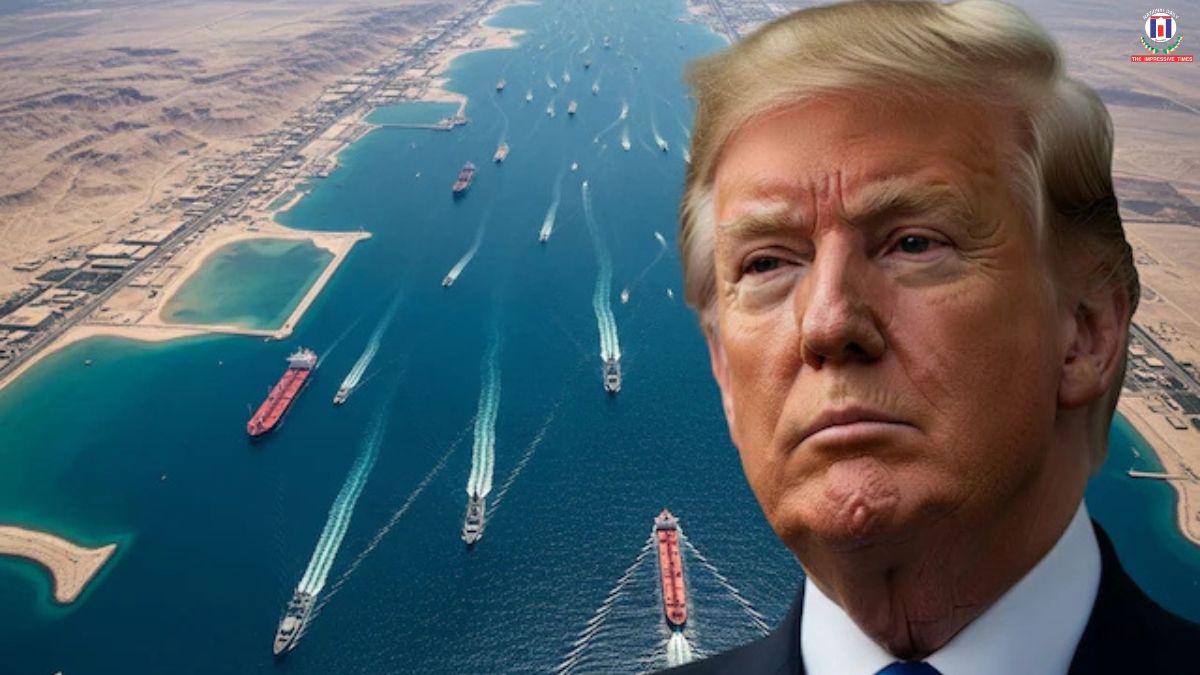
On the other hand, the United States has issued warnings that failure to ensure free maritime movement through the Strait of Hormuz could risk collapsing the fragile ceasefire arrangement. Former President Donald Trump has also previously stated that no transit fees should be imposed on commercial shipping through the region.
The international community is closely monitoring the situation, as analysts warn that the current ceasefire—despite lasting several weeks—remains extremely fragile and could break down if negotiations fail.
The outcome of the Islamabad meeting is now seen as a crucial turning point that could either ease regional tensions or push the situation toward further escalation.





































No Comments: