Iran Warns of Intensified Strikes After Trump Threat, Missiles Target Tel Aviv
Rising tensions between Iran, the U.S., and Israel deepen as conflict spreads across the Middle East and impacts global markets

 The Impressive Times
Tehran, April 2, 2026:
Tensions in the Middle East escalated sharply after Donald Trump warned of stronger military action against Iran, prompting Tehran to respond with threats of large-scale retaliation and fresh missile strikes targeting Israeli territory.
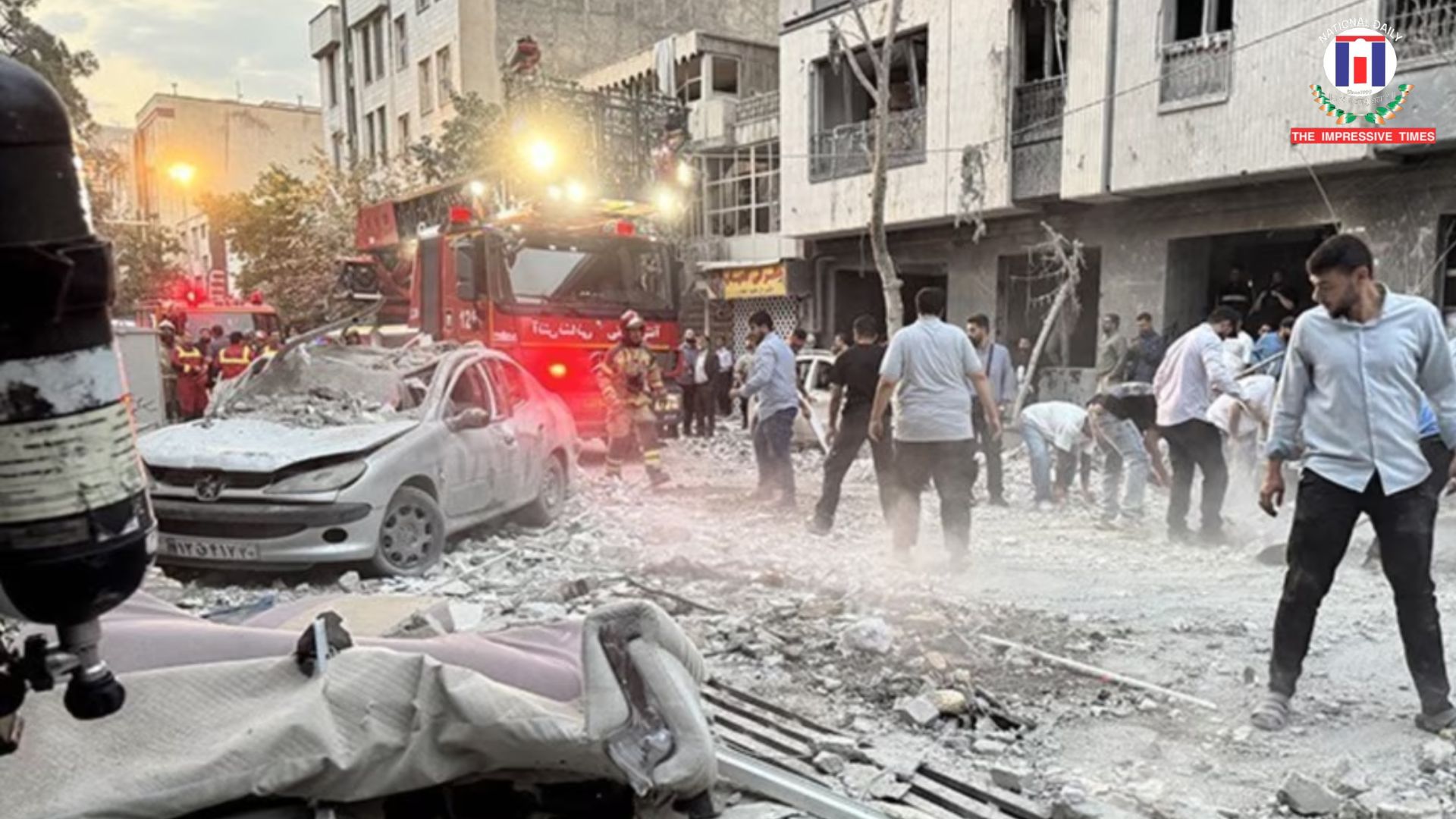
Iranian forces launched missiles toward Tel Aviv, triggering air defence systems and emergency responses across the city. Reports indicated that several locations were impacted, with injuries reported in the affected areas.
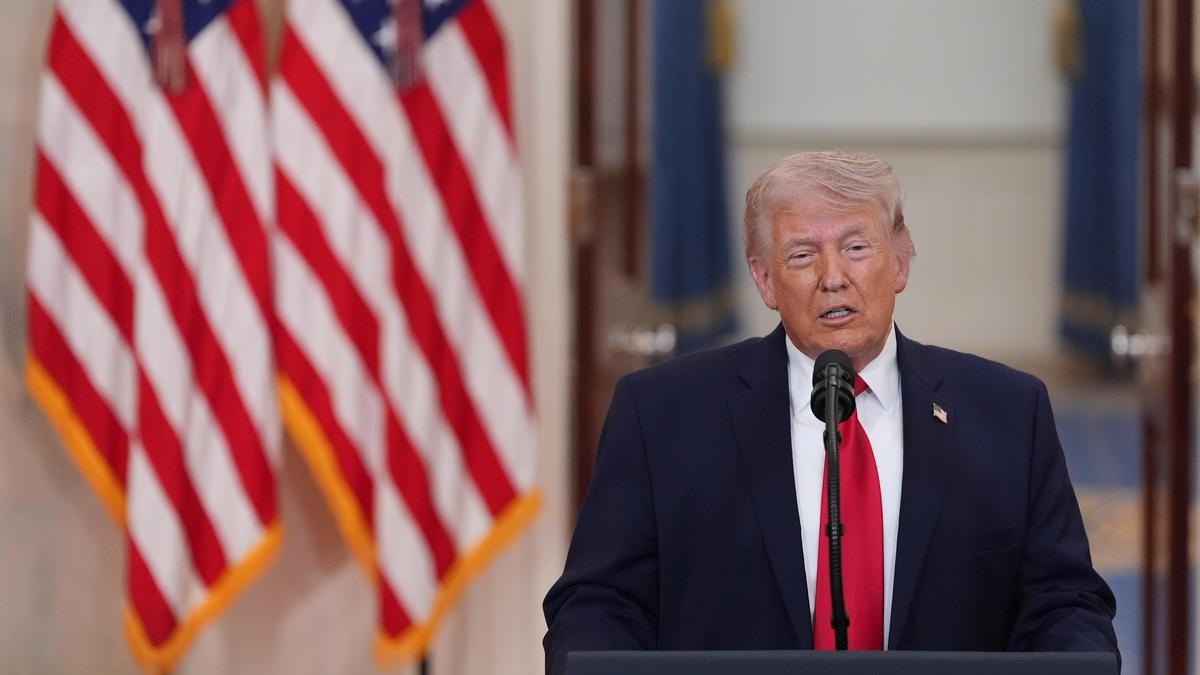
In a televised address, Trump stated that the United States was close to achieving its military objectives but cautioned that attacks would escalate further if Iran refused to agree to a negotiated settlement. He also hinted at targeting critical infrastructure if diplomatic efforts failed.
In response, Iran’s military leadership issued a stern warning, signalling that future operations would be more extensive and destructive. Officials emphasised that the conflict would continue until their demands were met.
The ongoing confrontation, which began weeks ago with coordinated strikes involving the U.S. and Israel, has now expanded across multiple parts of the Middle East. The situation has drawn in regional actors, including Hezbollah in Lebanon, increasing fears of a broader war.
Air raid sirens and emergency alerts have become frequent in several areas, forcing civilians to seek shelter, even during major religious observances.Despite hints from Washington about possible negotiations, Iranian authorities have rejected direct talks, calling the proposed conditions unacceptable. Communication between the two sides is reportedly being carried out indirectly through intermediaries.
The conflict has begun to affect international markets, particularly due to tensions around the Strait of Hormuz, a key route for global oil shipments. Any disruption in this region could significantly impact energy supplies worldwide.
Rising oil prices and market instability have already raised concerns among global financial institutions, with fears of inflation, job losses, and supply chain disruptions growing as the conflict continues.










































No Comments: