TIT Correspondent
info@impressivetimes.com
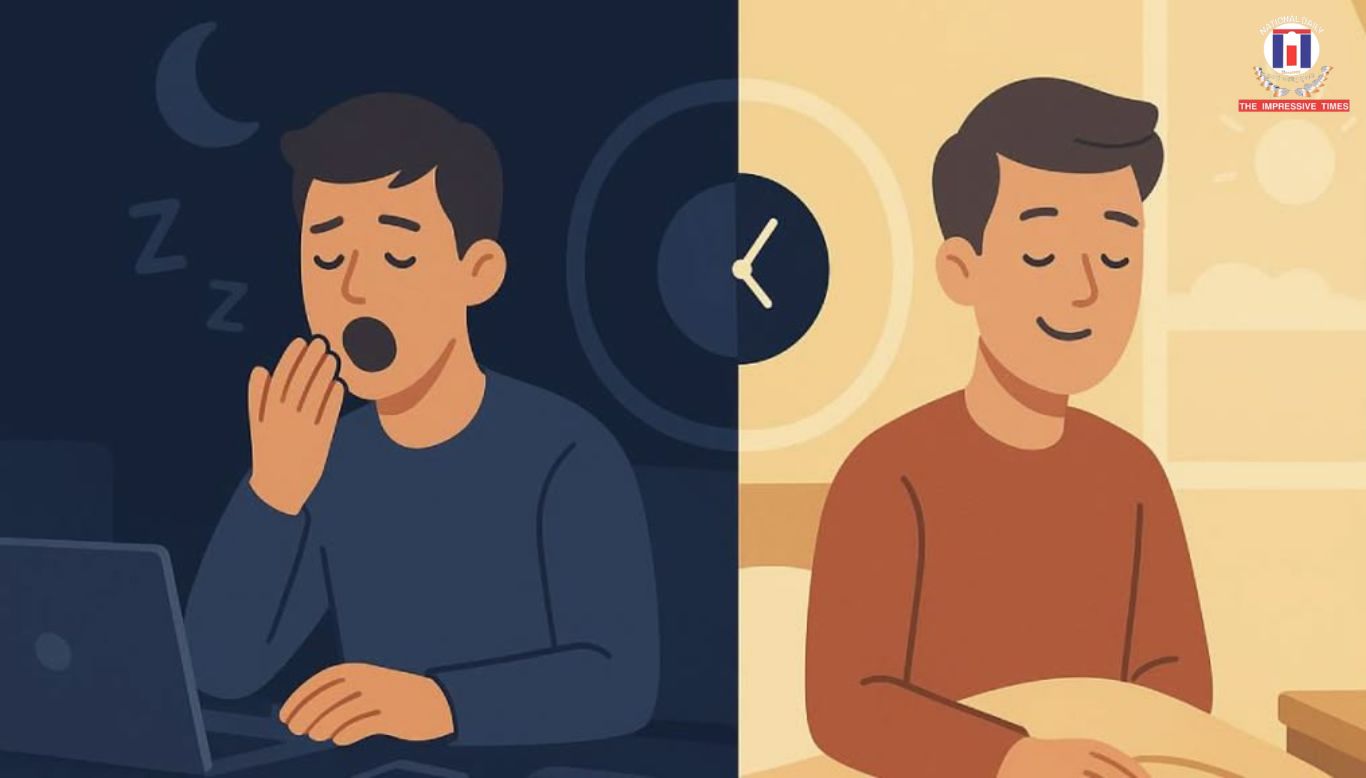
Have you noticed yourself feeling sleepier earlier in the evening, struggling to get out of bed in the morning or wanting to spend more time under a warm blanket during winter? These changes are not necessarily a sign of laziness. Seasonal changes in daylight, temperature and daily routines can influence the body’s natural sleep-wake cycle.
As winter approaches, shorter days and longer nights can affect the body’s internal biological clock, also known as the circadian rhythm. This system helps regulate sleep, wakefulness, hormone release and several other important bodily functions.
While some people enjoy longer and more comfortable sleep during colder months, others experience difficulty maintaining a consistent sleeping schedule.
Why Does Winter Affect Your Sleep?
One of the biggest factors behind seasonal sleep changes is reduced exposure to natural daylight. Sunlight plays an important role in regulating the body’s internal clock by influencing the release of melatonin, a hormone associated with sleep.
During winter, mornings may be darker and evenings arrive earlier. This change in light exposure can influence when the body feels naturally alert or sleepy.
Temperature is another important factor. The body normally experiences a gradual drop in core temperature as bedtime approaches. A comfortable, slightly cool sleeping environment supports this natural process, while an excessively cold or overheated bedroom can make it harder to sleep comfortably.
Winter routines can also contribute to changes in sleep patterns. Reduced outdoor activity, longer screen time, late-night entertainment and irregular meal timings may affect sleep quality.
Why Do You Feel Sleepier During Winter Mornings?
Getting out of bed can become more challenging when mornings are dark and temperatures are low. Reduced morning light exposure may delay the body’s natural wake-up signals, while the comfort of a warm bed can make mornings feel even more difficult.
Another contributing factor is the disruption of regular routines. People who spend less time outdoors or become less physically active during winter may notice changes in their energy levels and sleeping habits.
However, persistent daytime tiredness should not automatically be attributed to the weather. Poor sleep quality, stress and underlying health conditions can also contribute.
6 Simple Ways to Maintain a Healthy Sleep Schedule
1. Get Natural Sunlight in the Morning
Try spending some time outdoors after waking up. Morning daylight helps regulate the circadian rhythm and supports a more consistent sleep-wake schedule.
2. Maintain Fixed Sleeping Hours
Going to bed and waking up at approximately the same time every day can help maintain your body’s internal clock. Avoid making significant changes to your schedule over weekends.
3. Keep Your Bedroom Comfortable
Choose suitable blankets and maintain a comfortable room temperature. Avoid making the bedroom excessively warm, as overheating can disturb sleep.
4. Reduce Screen Time Before Bed
Excessive exposure to bright screens in the evening can interfere with the body’s natural preparation for sleep. Try reducing phone, television and laptop use before bedtime.
5. Stay Physically Active
Walking, yoga and other forms of regular physical activity can support better sleep. Even a short daily walk can help maintain an active winter routine.
6. Avoid Heavy Meals and Excessive Caffeine Late at Night
Large meals close to bedtime and caffeine consumed late in the day may interfere with comfortable sleep. Try maintaining regular meal timings and choosing lighter evening meals.
When Should You Pay Attention to Sleep Changes?
Occasional changes in sleeping patterns during winter are common. However, persistent insomnia, excessive daytime sleepiness, difficulty concentrating or feeling unusually low for extended periods should not be ignored.
Some people also experience seasonal affective disorder (SAD), a type of depression associated with seasonal changes. It can involve changes in mood, energy levels, appetite and sleep patterns. Anyone experiencing persistent symptoms should consider speaking with a qualified healthcare professional.
A Healthier Winter Begins with Better Sleep Habits
Winter does not have to mean spending mornings feeling exhausted or struggling with an irregular bedtime. Small adjustments to daily routines, regular exposure to daylight, physical activity and a comfortable sleeping environment can make a meaningful difference.
Rather than fighting every seasonal change, understanding how the body responds to shorter days and colder weather can help people develop healthier habits.
A consistent sleep schedule is not just about getting enough hours of rest. It is also about creating a daily routine that allows the body and mind to recover, recharge and prepare for the day ahead.
















































No Comments: