
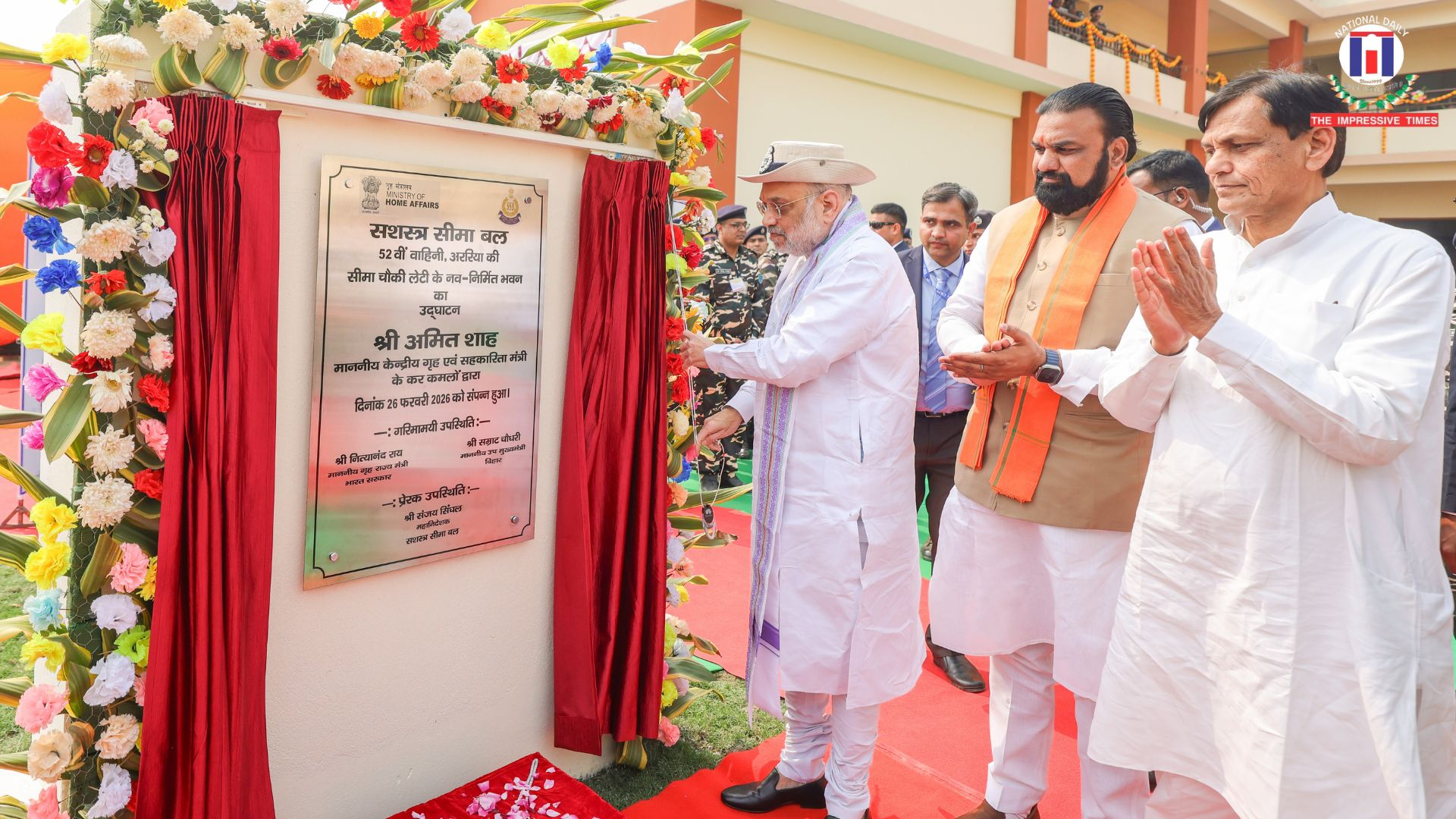

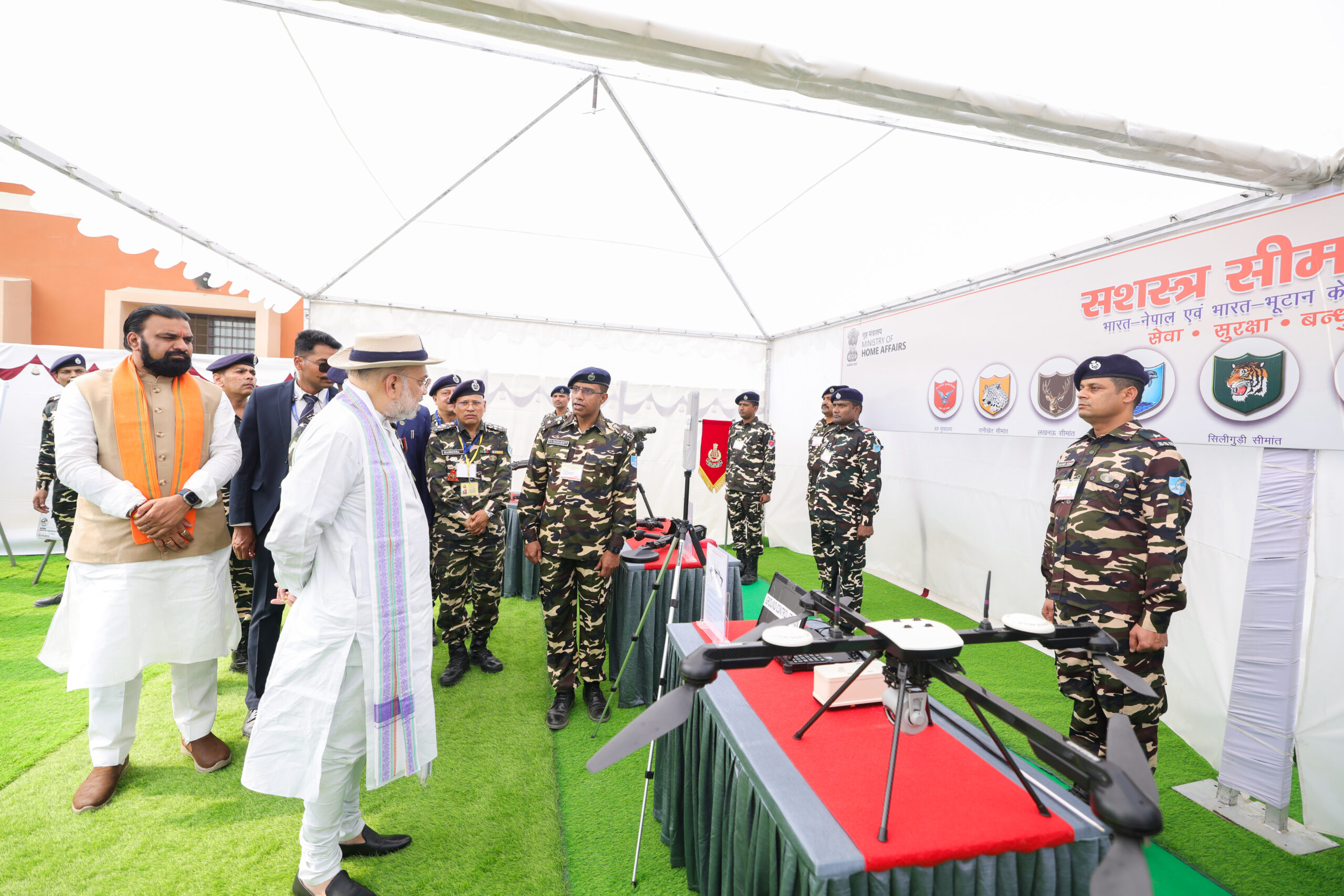
Araria (Bihar): Union Home Minister and Minister of Cooperation Amit Shah on Wednesday interacted with personnel of the Sashastra Seema Bal (SSB) in Araria and inaugurated new Border Out Posts at Leti and Inderwa. He also e-inaugurated and laid e-foundation stones for multiple SSB infrastructure projects aimed at strengthening border management.
The event was attended by Union Minister of State for Home Affairs Nityanand Rai, Bihar Deputy Chief Minister Samrat Choudhary, senior officials from the Ministry of Home Affairs, and the Director General of the SSB.
₹170 Crore Projects to Boost Border Infrastructure
Addressing the gathering, Shah said projects worth around ₹170 crore have been launched to enhance housing, logistics, and operational capacity for SSB personnel. He noted that since 2014, under the leadership of Prime Minister Narendra Modi, the Centre has prioritised improved facilities for Central Armed Police Forces (CAPFs) and their families.
He highlighted progress under the India–Nepal Border Road Project, stating that 554 kilometres of roads have been sanctioned, with 14 of 18 segments completed. Of the approved ₹2,468 crore, ₹2,336 crore has already been utilised. Once completed, he said, the project will significantly enhance surveillance and mobility along the open border.
Campaign Against Infiltration to Begin from Seemanchal
The Home Minister reiterated the government’s resolve to identify and deport infiltrators, stating that making Bihar free from illegal entrants was not merely an electoral commitment but part of a broader national mission. He announced that a focused campaign would soon begin in the Seemanchal region.
Shah said infiltrators impact electoral integrity, strain welfare resources meant for the poor, reduce employment opportunities, and pose risks to national security. He added that illegal encroachments within 10 kilometres of the international border in the Seemanchal belt would be removed as part of the drive.
Warning on Demographic Imbalance
Expressing concern over demographic shifts caused by infiltration, Shah said such changes can adversely affect a nation’s cultural, historical, and geographical fabric. He asserted that the government is determined to find a permanent solution to the issue.
He also referred to border management challenges in West Bengal, Bihar, and Jharkhand, stating that fencing and stricter vigilance would be prioritised where required.
Strengthening SSB’s Mandate
Recalling the evolution of the SSB, Shah said the force was entrusted with guarding the India–Nepal and India–Bhutan borders during the tenure of former Prime Minister Atal Bihari Vajpayee. He noted that the SSB currently secures the 1,751-km India–Nepal border and the 699-km India–Bhutan border, often under challenging conditions.
The minister urged the force to maintain high vigilance against smuggling, narcotics trafficking, and other cross-border crimes. He called for the development of a comprehensive Standard Operating Procedure (SoP) to address emerging security threats along open borders.
Focus on Border Village Development
Shah also spoke about the government’s Vibrant Villages Programme, aimed at improving infrastructure and livelihoods in border areas. He reiterated that ensuring adequate welfare measures for CAPF personnel and their families remains a key priority.
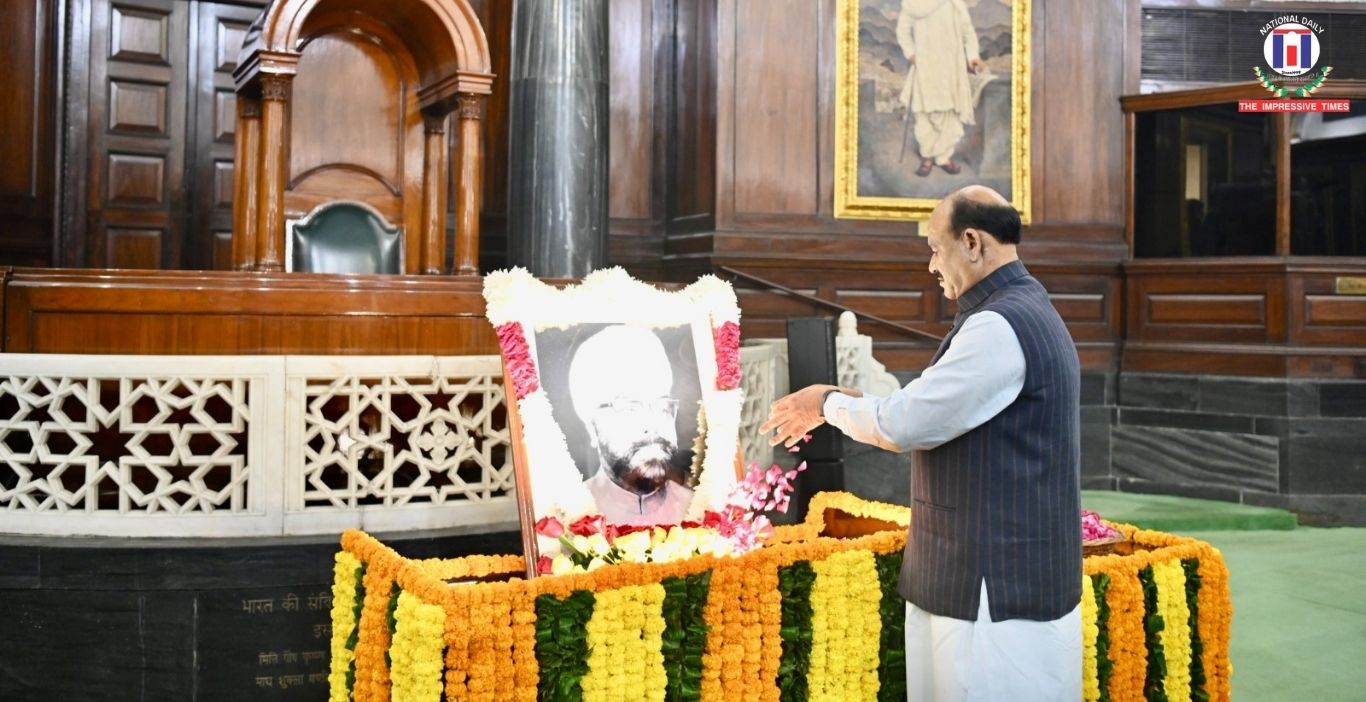
During his visit, the Home Minister shared a meal with SSB personnel, acknowledging their service and dedication. He also paid tribute to freedom fighter Vinayak Damodar Savarkar on his death anniversary, remembering his role in shaping nationalist thought and popularising the term “War of Independence” for the 1857 uprising.




























No Comments: