NEW DELHI, Feb 26, 2026: Amid a heated nationwide debate triggered by the inclusion of a chapter on “corruption in the judiciary” in a Class 8 history textbook, government data has revealed that more than 8,600 complaints were filed against sitting judges over the past decade. According to information presented by the Centre in the Lok Sabha, the office of the Chief Justice of India received 8,630 complaints against judges of the Supreme Court and various high courts between 2016 and 2025.
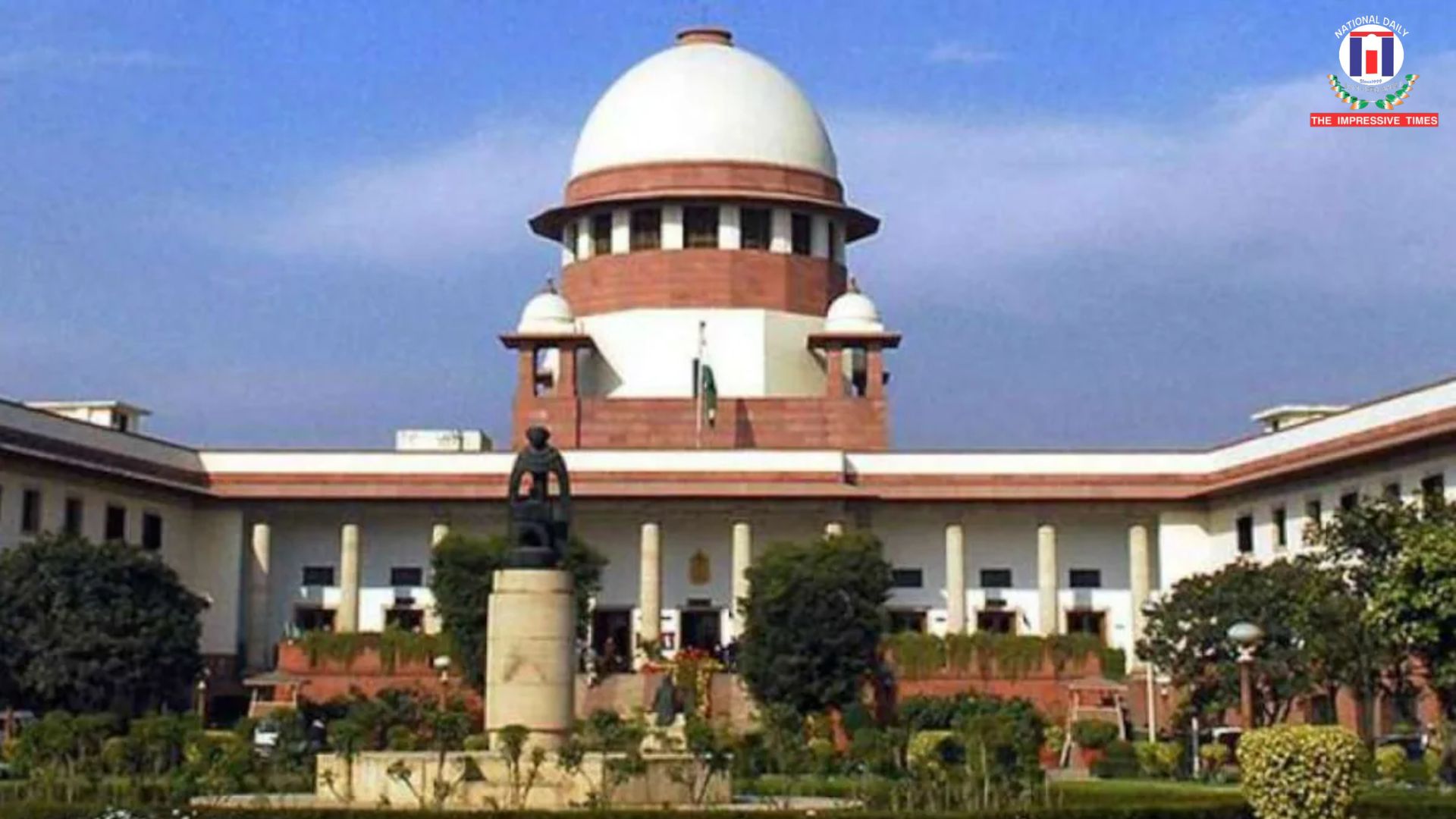
The disclosure has come at a sensitive time, as the Supreme Court objected strongly to a controversial section in the new National Council of Educational Research and Training (NCERT) social science textbook that described corruption and alleged misconduct within the judicial system. The top court took suo motu cognisance of the matter, questioned the appropriateness of the content for school students, and banned the book pending deeper investigation, demanding accountability from authorities responsible for the text.
Data tabled in Parliament also showed that the number of complaints varied year to year, with particularly high figures reported in 2024 and 2025, when more than 1,100 grievances were lodged each year. Officials have said that complaints against high court judges are handled through internal mechanisms by the respective chief justices, while those against Supreme Court judges are received by the CJI.
The NCERT chapter that sparked controversy highlighted internal accountability mechanisms such as the Centralised Public Grievance Redress and Monitoring System (CPGRAMS) and mentioned more than 1,600 complaints received through that channel between 2017 and 2021. It also cited views from former Chief Justice B.R. Gavai on how instances of corruption can affect public confidence, although government sources later said some quoted remarks were taken out of context.
The dispute has intensified discussions on the judiciary’s independence, accountability and the proper way to educate young learners about institutional challenges without undermining trust in constitutional bodies.

























No Comments: