One Year, Exceptional: Rekha Gupta Government Presents Its Record of Service and Good Governance
From Antyodaya to Modernisation: 365 Days Dedicated to the Welfare of Every Section

 The Impressive Times
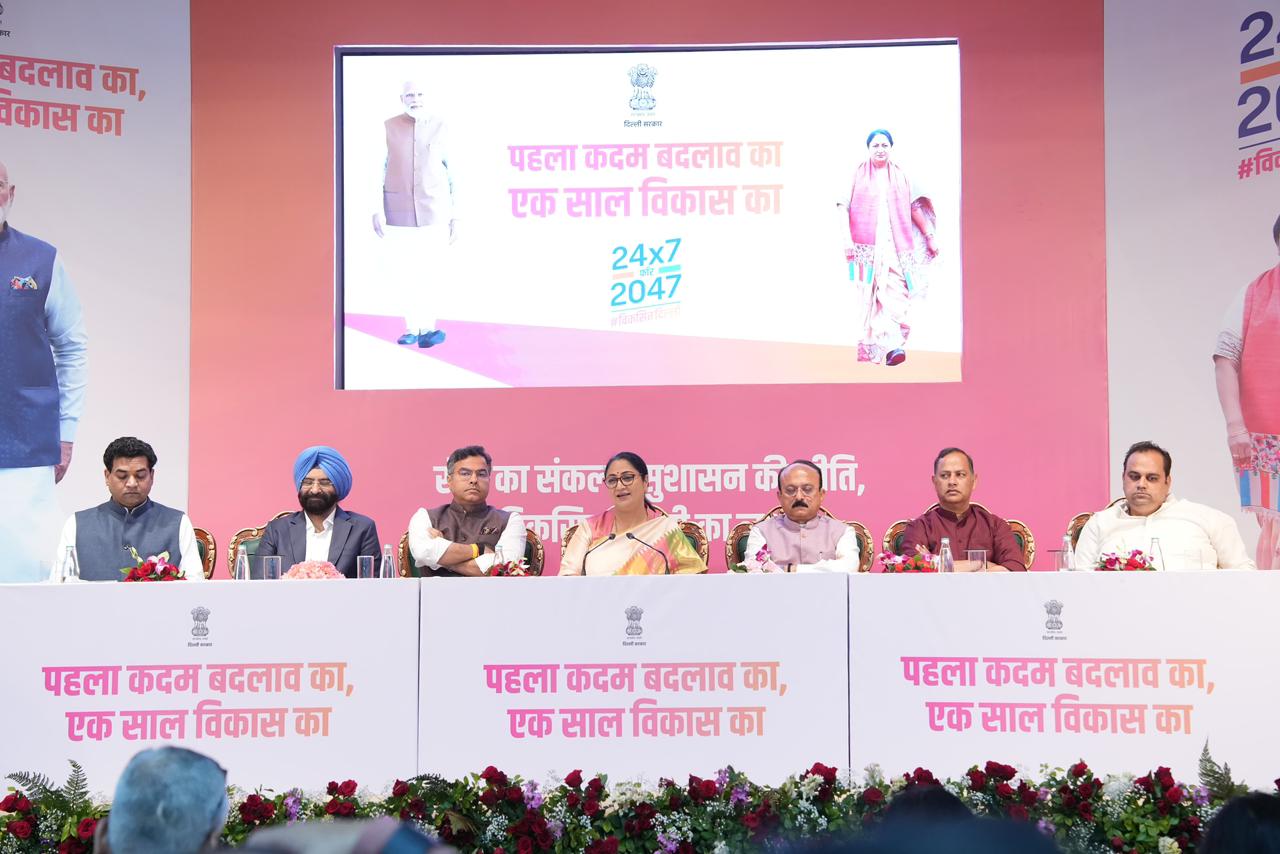
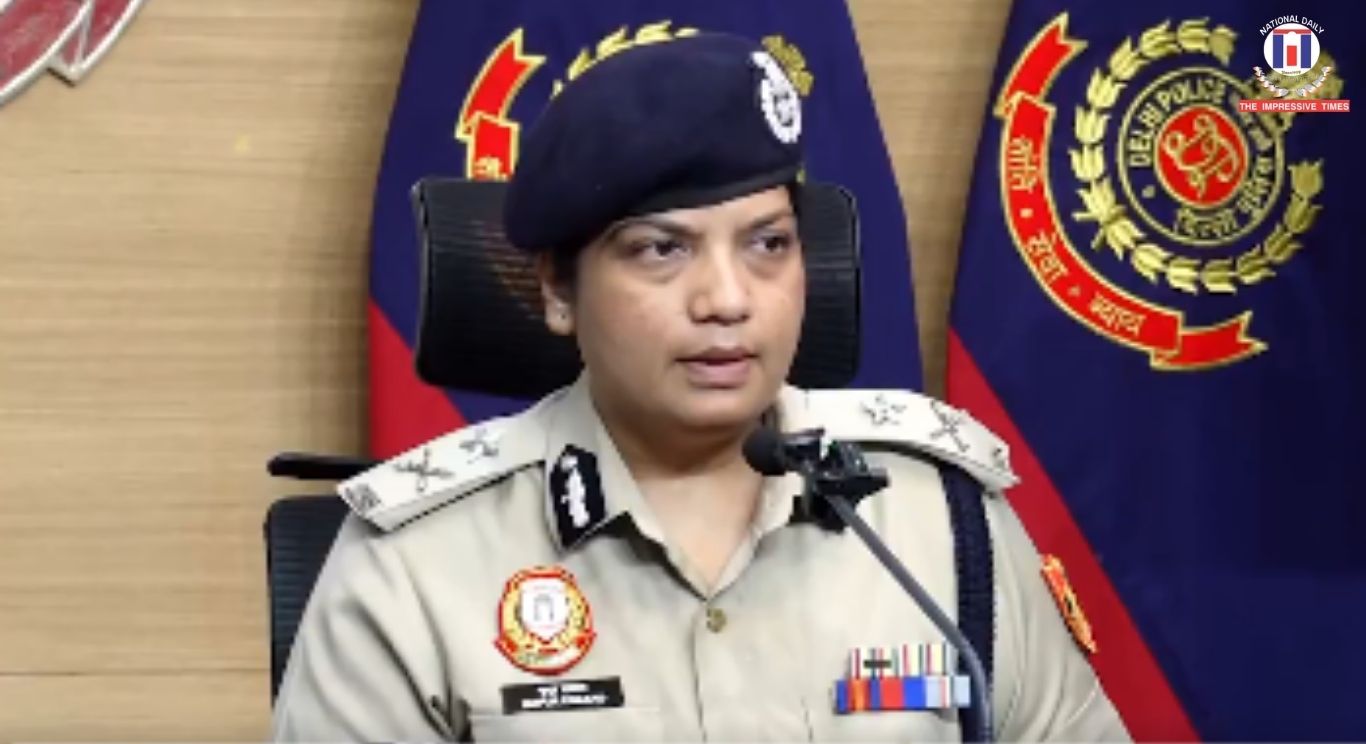
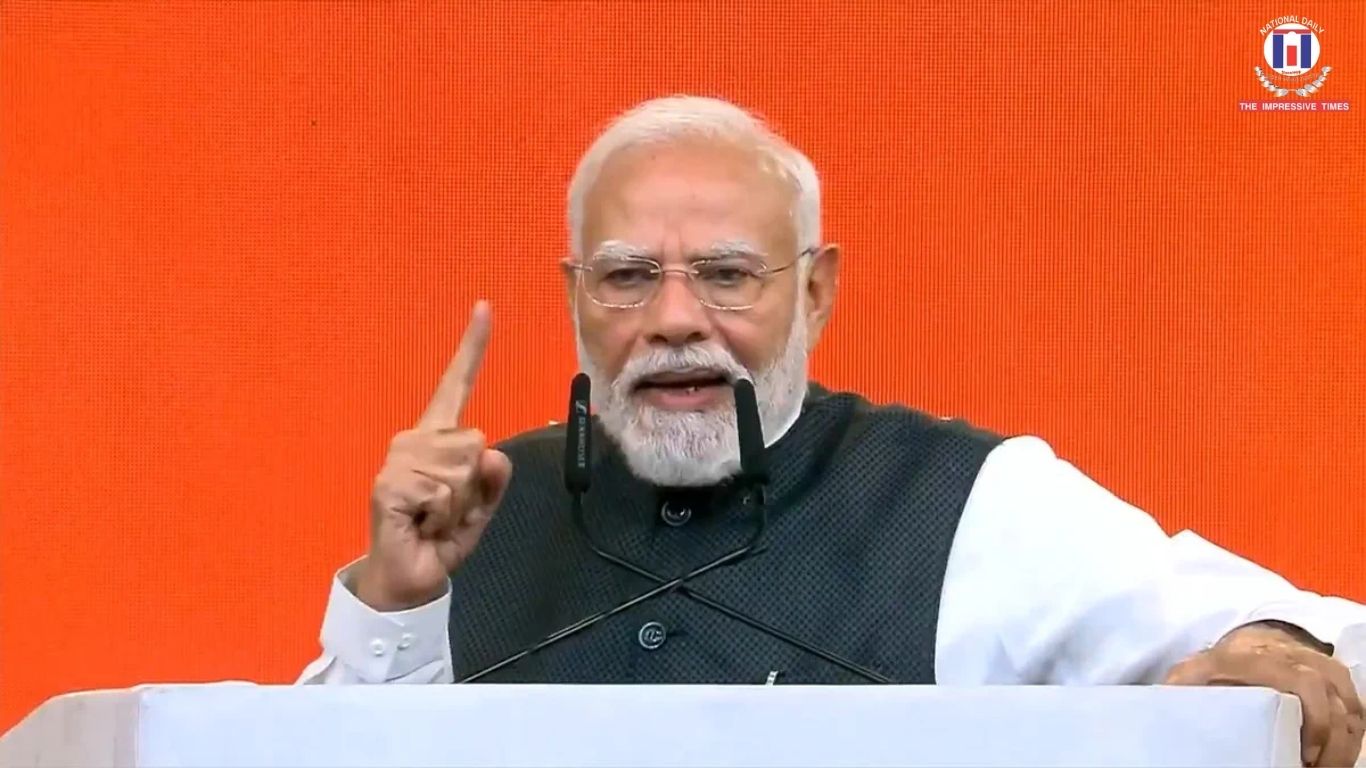
New Delhi, 20 February 2026 : The Chief Minister of Delhi,Rekha Gupta, on Friday, along with members of her Cabinet, presented a comprehensive report card marking one year of the Government, highlighting historic initiatives related to the Capital’s overall development, good governance and public welfare. She conveyed a clear message that the past year has not been about announcements, but about visible results on the ground. The last 365 days have been devoted to moving Delhi from stagnation to momentum, from confrontation to coordination, and from publicity to performance.
She stated that guided by the mantra of Hon’ble Prime Minister Narendra Modi, ‘Sabka Saath, Sabka Vikas, Sabka Prayas’ the Government has taken concrete steps in all major sectors including health, education, infrastructure, pollution control, Yamuna rejuvenation and governance reforms. The Chief Minister described this not merely as an account of one year’s achievements, but as the beginning of a decisive shift in Delhi’s direction, expressing confidence that the coming years will transform the Capital’s condition as well.
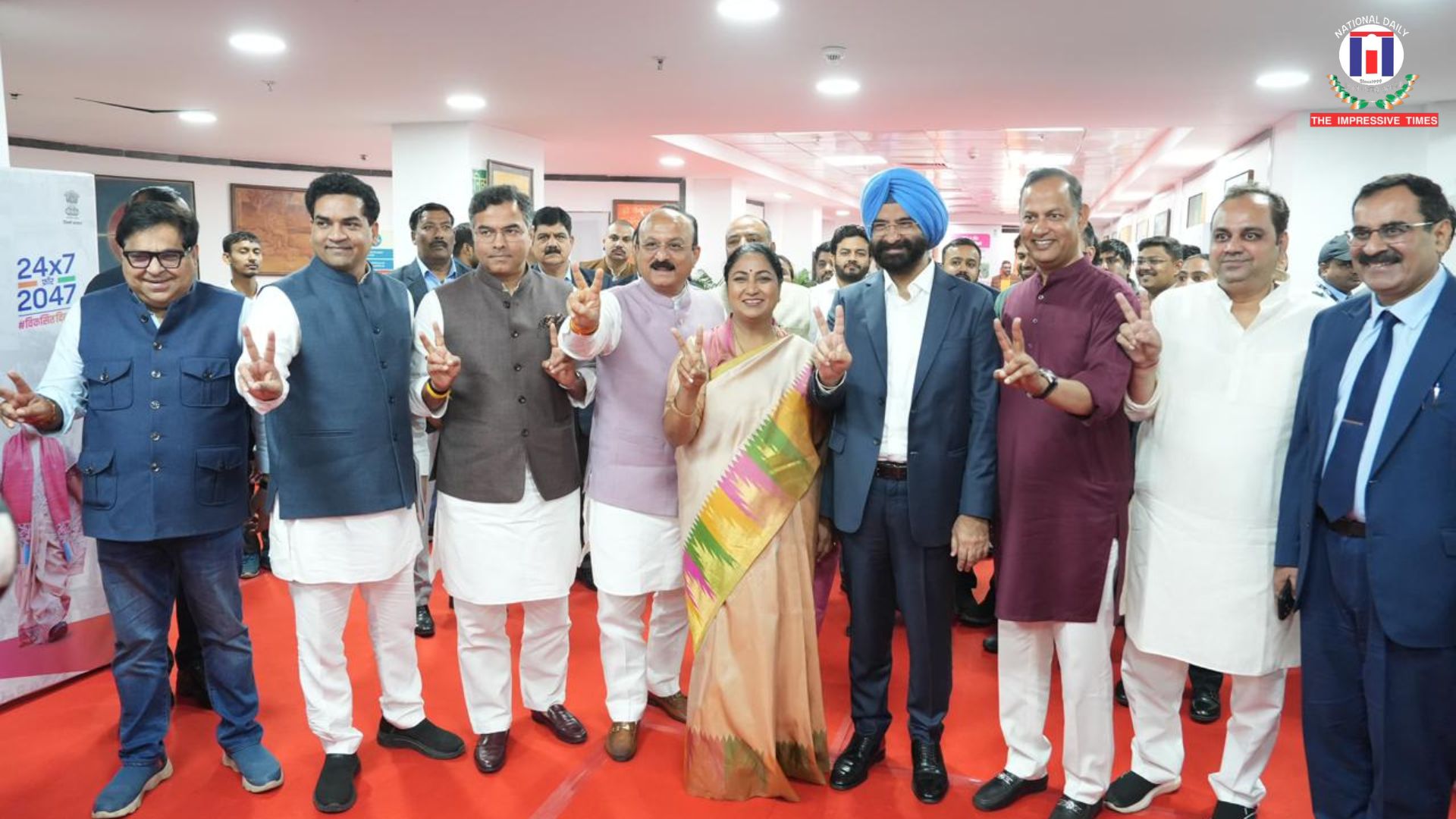
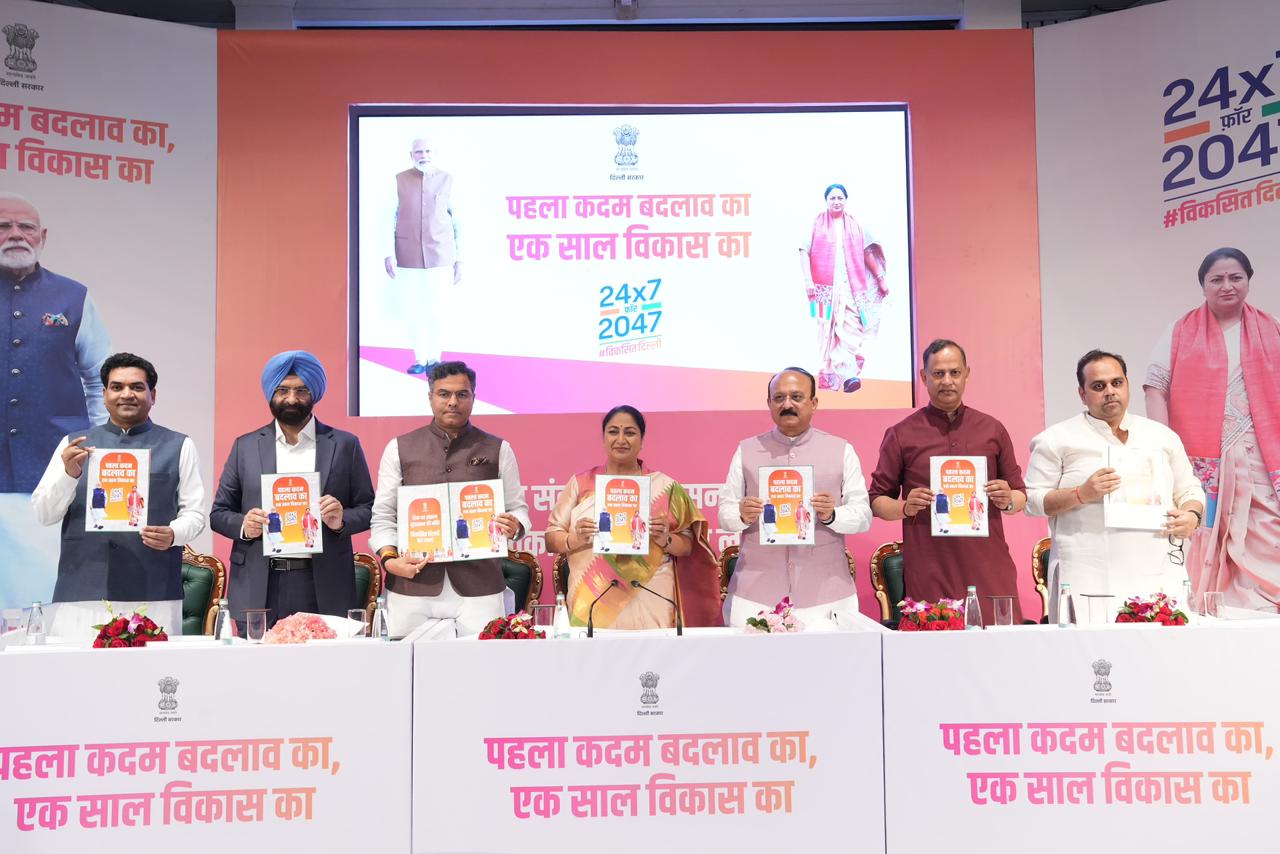
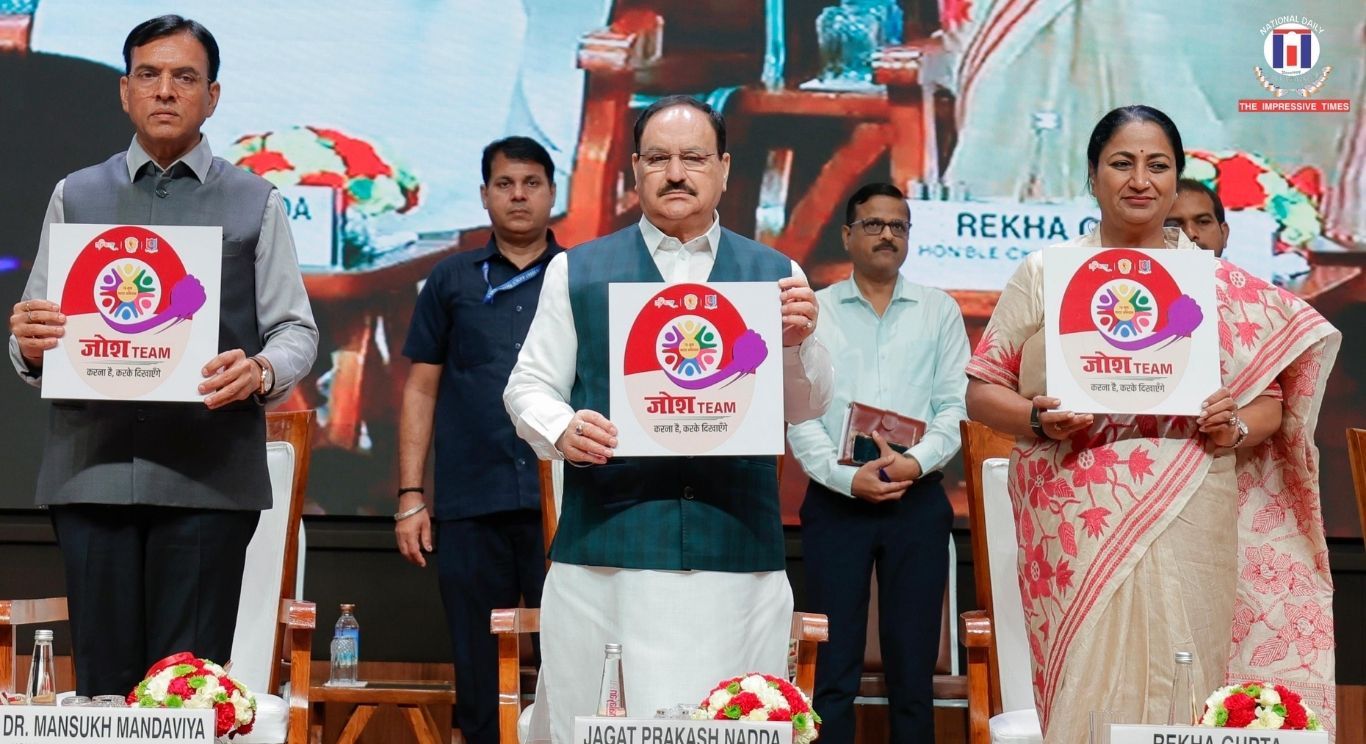
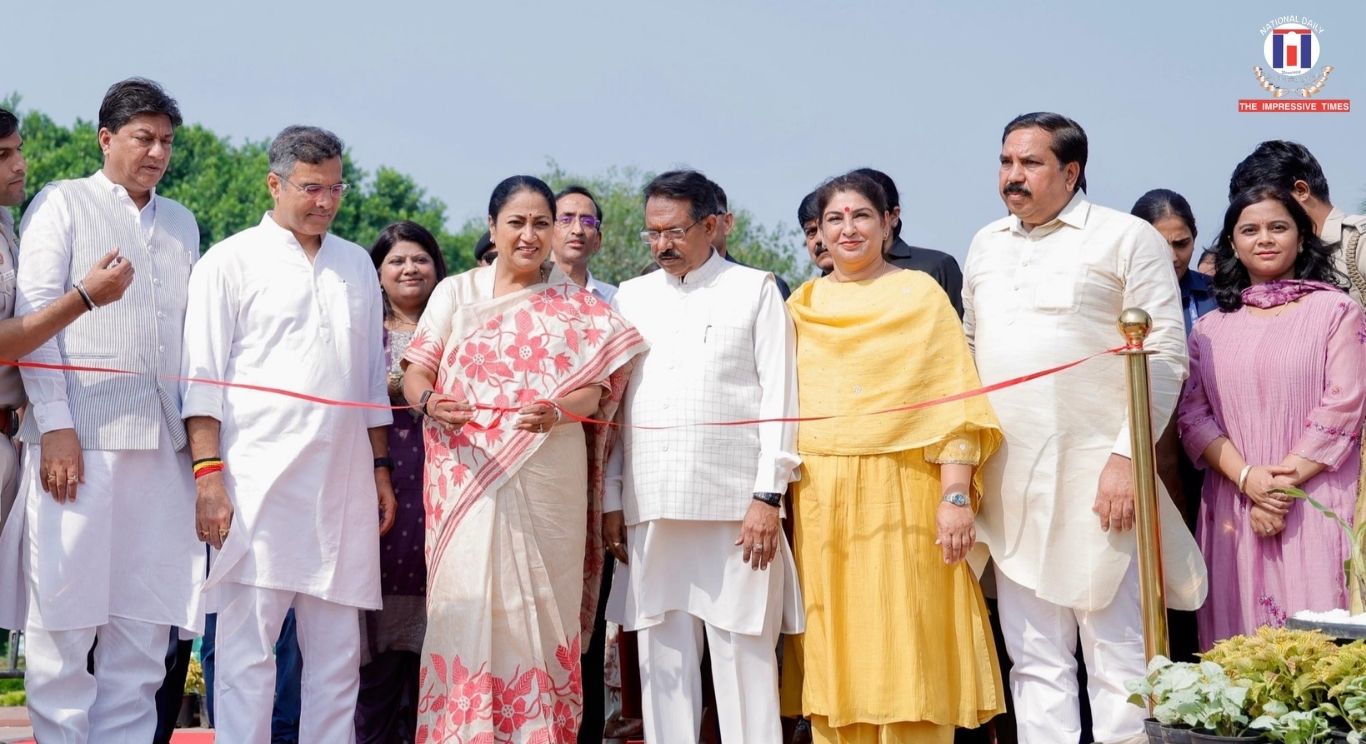
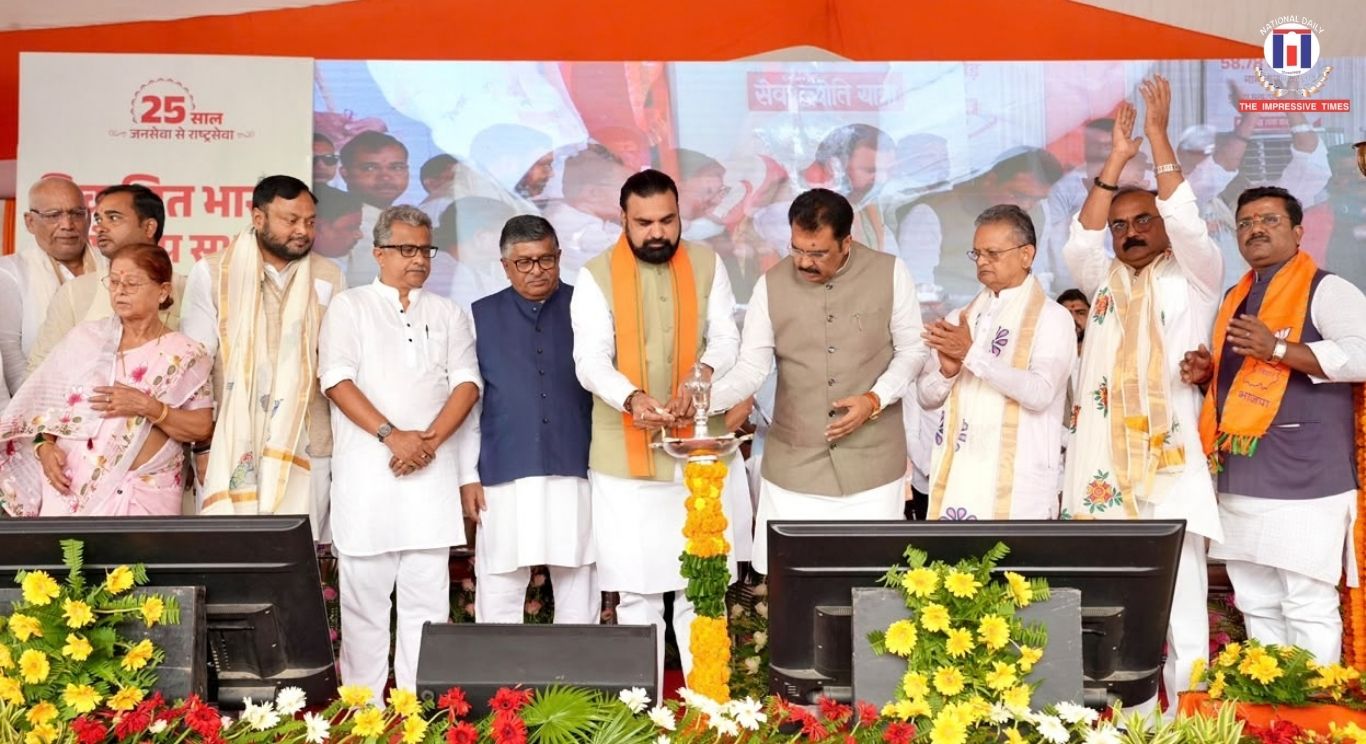
The Chief Minister released a booklet titled ‘Pehla Kadam Badlav Ka, Ek Saal Vikas Ka’, documenting the Government’s achievements. She also inaugurated the reconstruction of the Media Centre at the Delhi Secretariat. Cabinet Ministers Pravesh Sahib Singh, Ashish Sood, Manjinder Singh Sirsa, Ravinder Indraj Singh, Kapil Mishra, Pankaj Kumar Singh and senior officials were present.
One Year of Service and Good Governance
Chief Minister Rekha Gupta stated that immediately after taking the oath, the first Cabinet meeting was held at the Secretariat. She noted that there could be no more appropriate venue than the Secretariat to present the one-year report card, as it was from here that the journey of service and good governance began. She clarified that this report card is not merely a compilation of achievements, but evidence of a year marked by hard work, reform and tangible outcomes.
She emphasised that the present Government is one of results, not rhetoric. Over the past year, Delhi has been steered from stagnation to momentum, from excuses to solutions, and from advertisement-driven narratives to real development. Following the principle of ‘less paperwork, more work’, a positive transformation has been brought about in administrative culture. Inspired by the nationalist ideology of the Bharatiya Janata Party and the Prime Minister’s guiding mantra, the Government has reaffirmed its commitment to collective responsibility, not the politics of ‘I’, but of ‘we’.
Priority to Antyodaya and Welfare of the Poor
Referring to the principle of Antyodaya, the Chief Minister stated that the welfare of the poorest has been accorded the highest priority. In its very first Cabinet meeting, the Government decided to implement the Ayushman Bharat scheme, providing health cover of up to ₹10 lakh. Within one year, nearly 700,000 people have registered under the scheme, and more than 30,000 beneficiaries have received treatment benefits through Ayushman and the Vay Vandana scheme.
Addressing hunger as a basic human concern, the Government launched Atal Canteens to ensure that no individual in Delhi sleeps hungry. At present, 71 Atal Canteens serve approximately 71,000 needy individuals daily, offering nutritious meals at a nominal cost of ₹5.
Concrete Steps for Slum Dwellers and Workers
The Chief Minister stated that the development of slum clusters remains a key priority. A budget of ₹700 crore has been allocated to initiate essential infrastructure works to ensure dignified living conditions. Repairs and improvements of previously constructed but vacant flats are progressing swiftly. Around 13,000 flats in areas such as Savda Ghevra, Bhalswa, Dwarka and Sultanpuri are being readied in the first phase for allotment to slum residents.
Delhi now offers the highest minimum wage in the country, with workers receiving ₹22,411 per month. For working women, 500 ‘Palna’ centres have been opened, enabling them to safely leave their young children while at work. Additionally, 146 development projects worth ₹85 crore have been approved for SC/ST localities.
Water and Sewerage Reforms
Describing water and sewerage as critical needs, the Chief Minister reported that in one year, 13 kilometres of transmission pipelines were replaced and 172 kilometres of new or upgraded water pipelines laid. Work on an additional 37 kilometres has been allocated, and projects covering 833 kilometres of secondary and distribution lines are underway. In sewerage, 180 kilometres of new lines were laid, 110 kilometres replaced, and 144 kilometres approved and tendered.
The Chandrawal Water Treatment Plant is being expedited to permanently resolve water issues in 9-10 Assembly constituencies. Plans have also commenced for three new water treatment plants in Chhatarpur, Iradat Nagar and Najafgarh to enhance storage and distribution capacity.
Under the Delhi Jal Board’s Water Amnesty Scheme, 352,000 consumers settled pending bills, generating ₹484 crore in revenue while waiving approximately ₹1,400 crore in penalties and interest. The scheme now extends to industrial and commercial consumers as well.
Historic Expansion in Healthcare
In just 365 days, 370 Ayushman Arogya Mandirs have been established, providing comprehensive primary healthcare services, including maternal and child care and treatment for around 80 common ailments. The target is to increase this number to 1,100 by year-end.
Long-pending hospital projects have been completed, including new blocks at Guru Gobind Singh Hospital, Sanjay Gandhi Memorial Hospital, Acharya Shree Bhikshu Hospital, Bhagwan Mahavir Hospital and Dada Dev Maternal and Child Hospital.
Modern medical equipment has been installed at G.B. Pant Hospital, including advanced CT scanners, Neuro ICU, integrated operation theatres and a Neuro Cath Lab. Additionally, 150 new dialysis machines, 53 round-the-clock ambulances, six mobile dental vans, a Medical Genetics Ward and an NAT Lab at LNJP Hospital have been introduced.
The Health Information Management System (HIMS) has been implemented to digitise patient records and integrate hospitals across Delhi and the Central Government network. Online OPD appointments and ABHA ID integration have strengthened transparency and efficiency. A State Organ and Tissue Transplant Organisation (SOTTO) initiative has also been launched, and 4,000 new healthcare posts sanctioned.
Structural Reforms and Modernisation in Education
The Government enacted a historic Fee Regulation Act to curb arbitrary fee hikes by private schools. Work has progressed on over 7,000 smart classrooms, and 75 CM Schools are being upgraded with smart boards, digital libraries and modern laboratories.
New curricula such as ‘Neev’, ‘Science of Living’ and ‘Rashtraneeti’ have been introduced to foster responsible citizenship, discipline, life skills and national values alongside academic excellence.
Sports and Youth Empowerment
The Delhi Sports Mahakumbh has attracted over 25,000 participants. Under the Chief Minister’s Sports Incentive Scheme, gold medallists at the Olympic and Paralympic Games will receive ₹7 crore, silver medallists ₹5 crore and bronze medallists ₹3 crore. Financial assistance is also being extended to national-level and school-level athletes.
Pending scholarships amounting to ₹44 crore from the previous administration were disbursed at the beginning of this tenure. Work has begun on an Education City in Narela costing ₹1,360 crore and the proposed Sports University project in Ghevra.
Infrastructure and Drainage Overhaul
Out of 1,400 kilometres of PWD roads, 550 kilometres have been approved for wall-to-wall carpeting in the first year, with 150 kilometres completed and 400 kilometres targeted before the monsoon. Tenders for the remaining 600 kilometres are underway.
A new Drainage Master Plan worth approximately ₹56,000 crore has been initiated to replace a 50-year-old framework. Seventy-two chronic waterlogging points have been identified for permanent solutions. Work is ongoing on major drains including Rohtak Road, Najafgarh-Nangloi and Kirari.
Forty new Foot Over Bridges are planned, and beautification works are underway at 47 major junctions. E-Vidhan Sabha, digital financial management systems and the CM Public Grievance Portal have strengthened transparency.
Yamuna Rejuvenation, Waste Management and Pollution Control
The Chief Minister stated that the Yamuna’s deteriorated condition reflected years of neglect. Of 37 sewage treatment plants found substandard, 28 have been upgraded and work continues on the remaining nine. Tenders have been completed for 35 decentralised STPs costing ₹2,400 crore, and plans for 12 additional STPs worth ₹7,200 crore are underway. Treatment capacity has increased from 700 MGD to 814 MGD, with a target of 1,500 MGD.
Approximately 2.2 million metric tonnes of silt have been removed from drains. Biogas plants have been established in Nangli Sakrawati and Ghogha Dairy, with plans for six more high-capacity plants.
Daily waste generation of around 11,000 metric tonnes is now being addressed by increasing biomining capacity to 30,000–35,000 TPD. A 3,000 TPD Waste-to-Energy plant is under construction at the Narela-Bawana site. Capacity expansion is underway at Okhla and Tehkhand facilities. ₹500 crore has been allocated to the Municipal Corporation of Delhi for solid waste management, along with ₹2,300 crore for modern mechanised cleaning equipment.
Sensitive and Humane Decisions
The Government provided employment to families affected by the 1984 riots, released pending compensation to families of government employees and doctors who passed away during COVID-19, and resolved long-pending cases of displaced Kashmiri families. Under the Ladli Scheme, ₹90 crore has been transferred to 30,000 beneficiaries in the first phase, with further transfers underway.
The Chief Minister expressed confidence that the first year has set a new direction, and that the coming five years will transform Delhi into a truly developed Capital.
Box Item
Reconstruction of Media Centre Begins
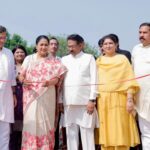
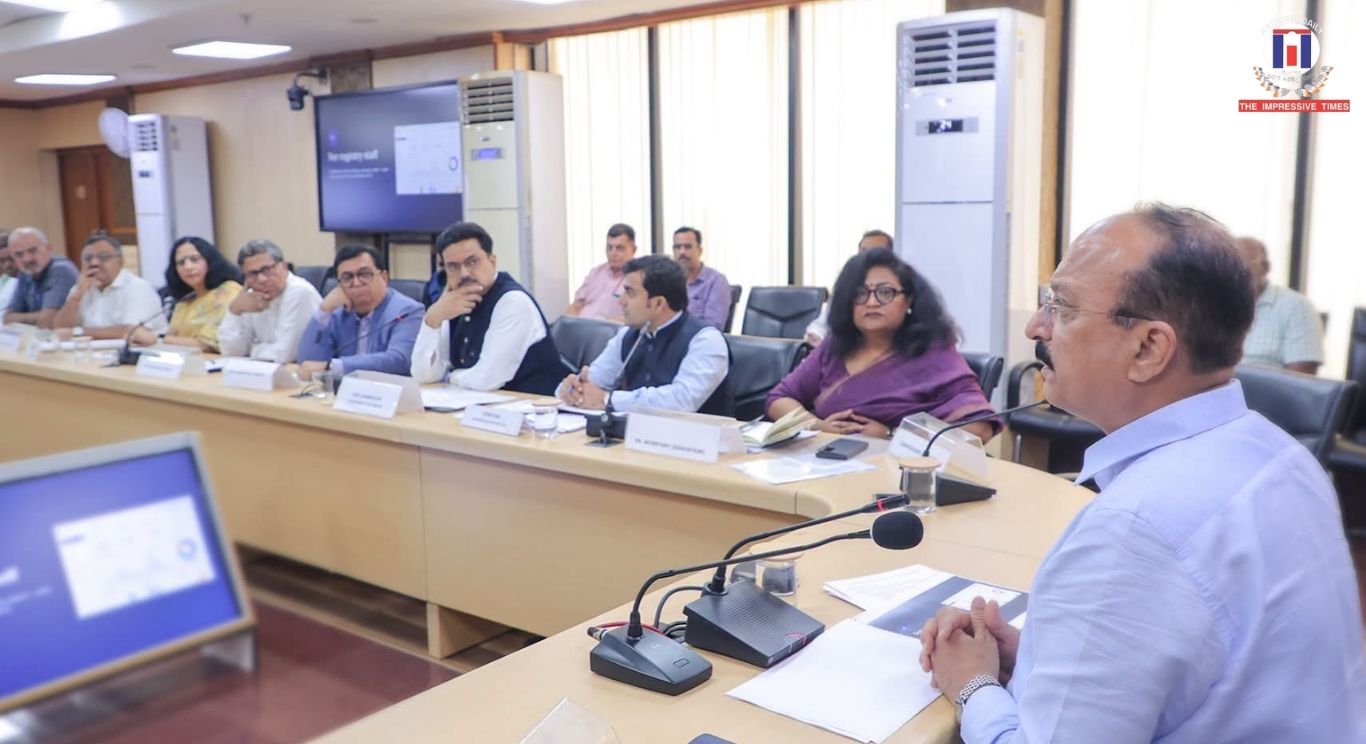
Chief Minister Rekha Gupta inaugurated the renovation of the Media Centre at the Delhi Secretariat, emphasising the vital role of the media in a democracy. The upgraded facility will feature advanced digital communication systems, live broadcast capabilities, a modern press briefing hall and high-speed connectivity, strengthening transparency, real-time information dissemination and accountable governance.







No Comments: