
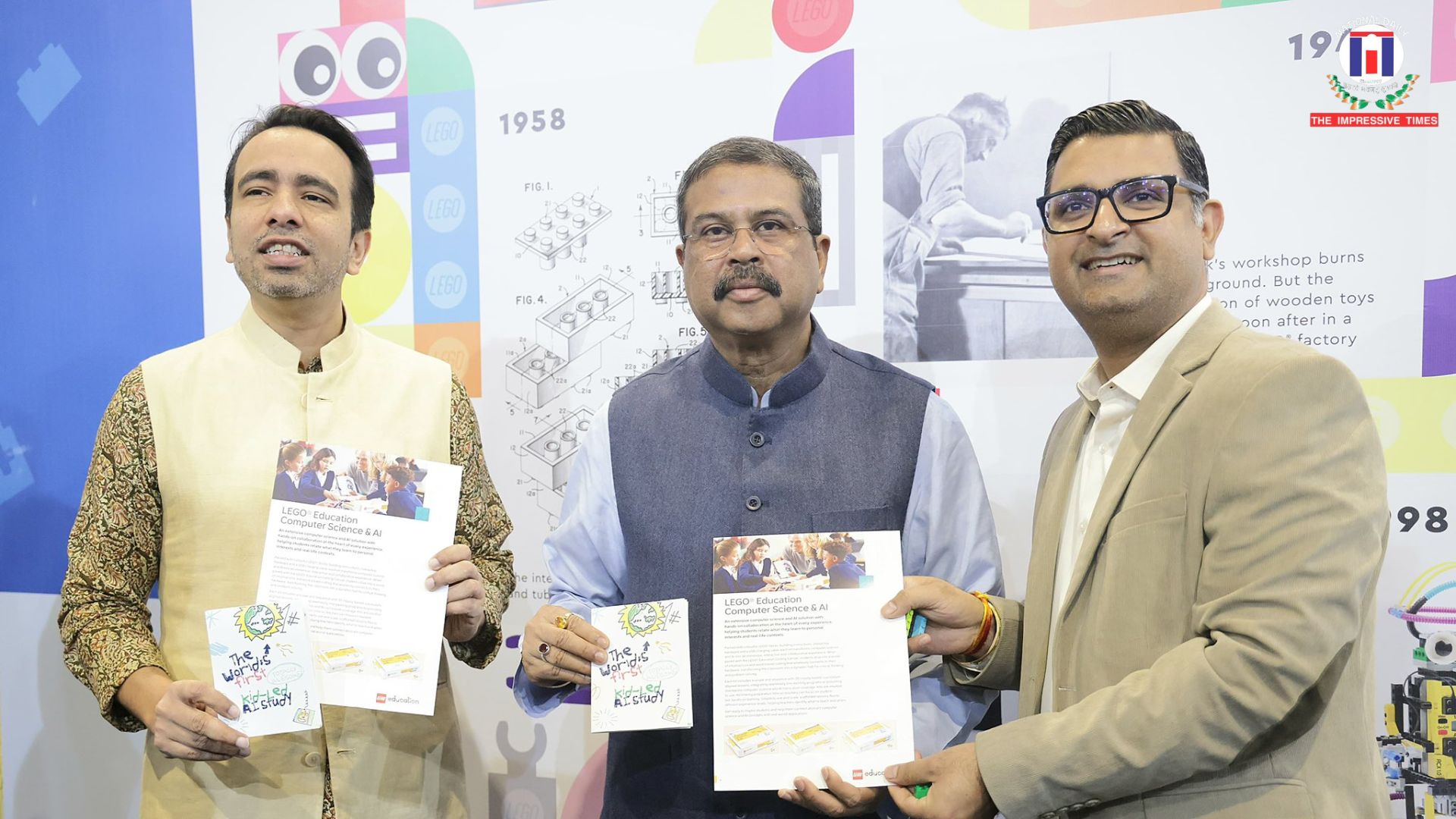

New Delhi, February 17, 2026: The Ministry of Education convened a high-level discussion on advancing Artificial Intelligence (AI) in the country’s education ecosystem during the India AI Impact Summit 2026 at Bharat Mandapam. The session focused on strengthening India’s AI capabilities and embedding intelligent technologies across learning, skilling and research frameworks.
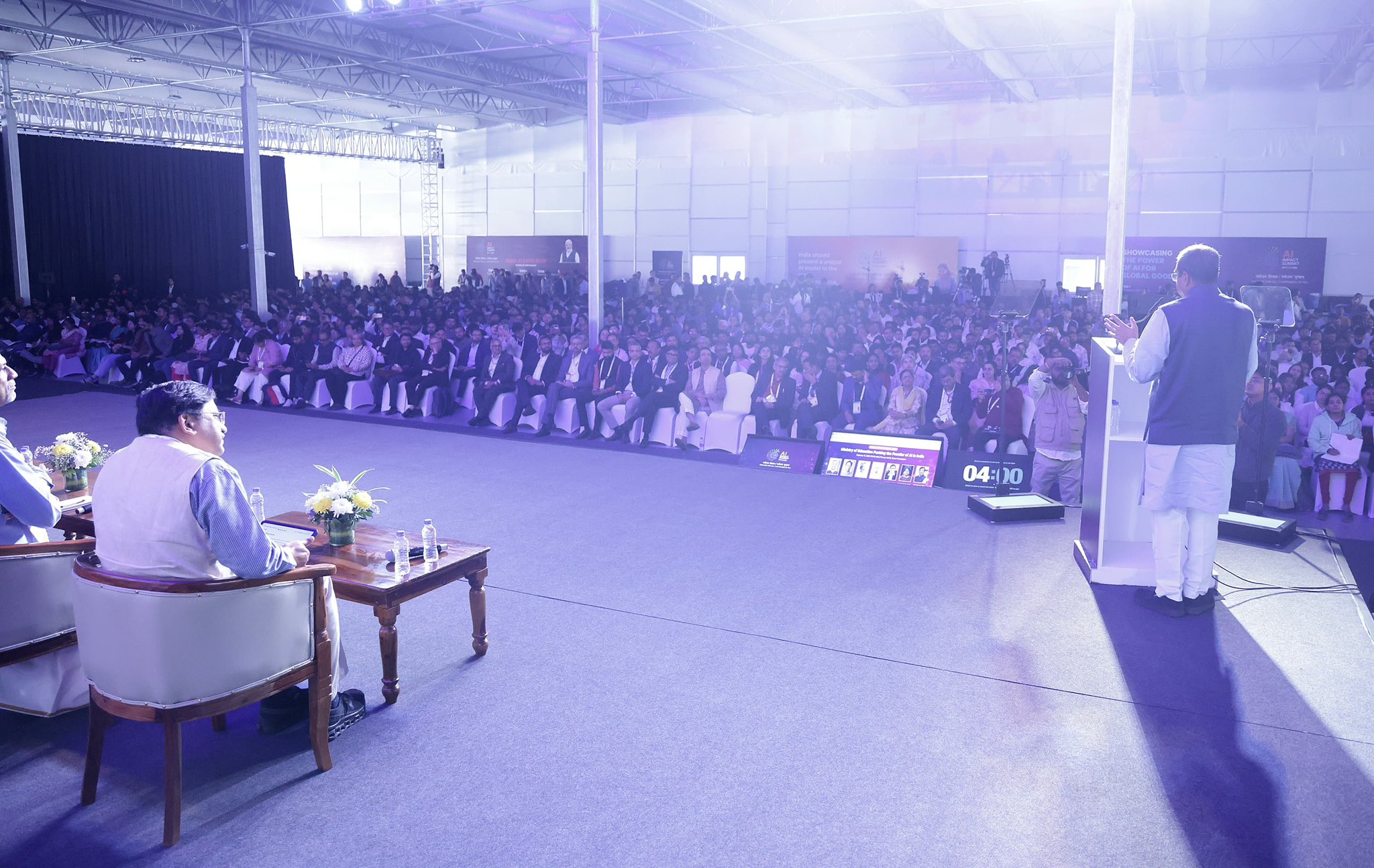
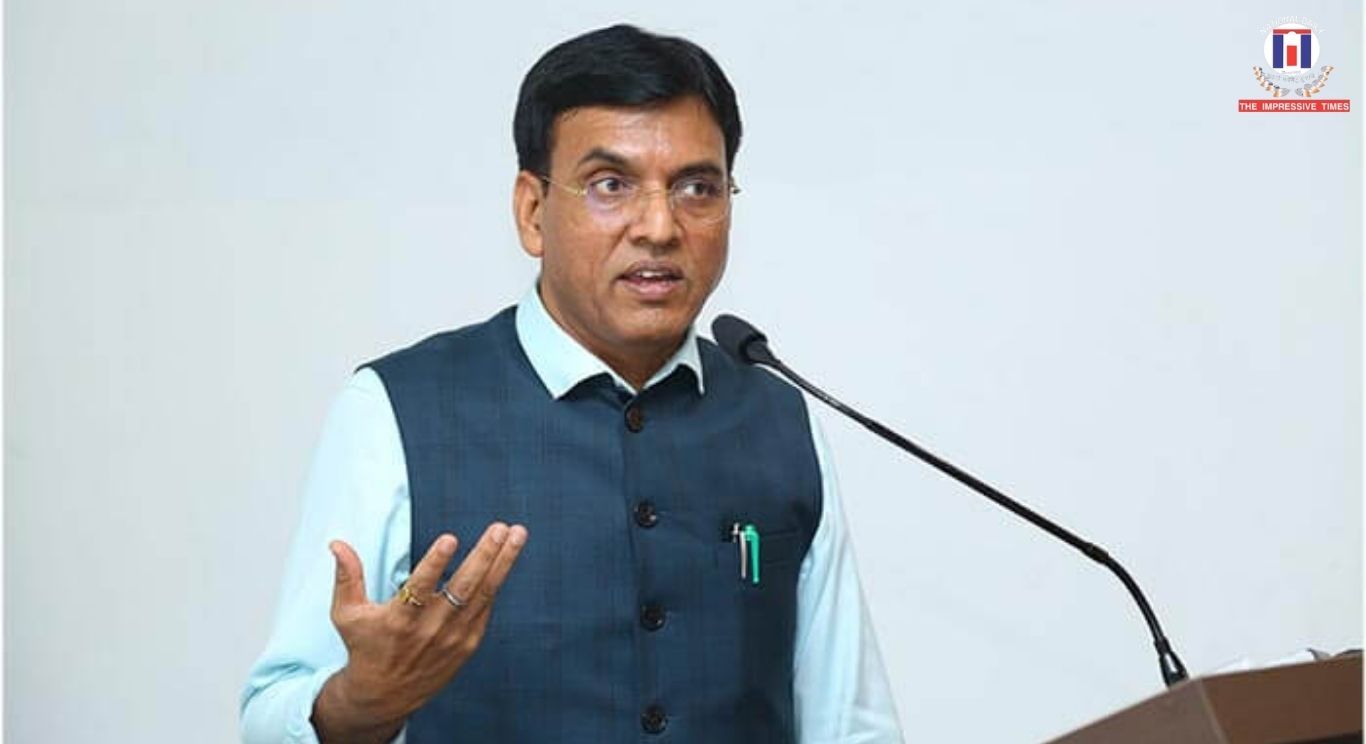
Union Education Minister Dharmendra Pradhan addressed the gathering, underscoring AI’s strategic importance in shaping India’s emergence as a global knowledge hub. He described the summit as a transformative platform designed to accelerate AI adoption across sectors and position India at the forefront of technological innovation.
Pradhan asserted that India’s rapid strides in digital infrastructure and innovation have drawn international attention, noting that AI would be instrumental in achieving the long-term national development vision of Viksit Bharat 2047. According to him, the integration of AI in education is not merely a technological shift but a structural reform aimed at enhancing quality, accessibility and global competitiveness.
Minister of State for Education and Skill Development & Entrepreneurship (Independent Charge) Jayant Chaudhary also participated in the session. He described the deliberations as forward-looking and comprehensive, covering foundational education, vocational training, advanced research and leadership in global AI ecosystems. He emphasised that structured AI integration across all levels of education would be central to India’s developmental trajectory.
From Policy to Implementation
Senior officials from the education sector were present at the event, including School Education and Literacy Secretary Sanjay Kumar and Higher Education Secretary Dr. Vineet Joshi. Academic leaders, startup founders, and researchers working at the intersection of AI and education contributed to discussions on scaling solutions nationwide.
The session outlined how the Ministry has, over the past decade, laid the groundwork for AI-driven transformation through digital public platforms, regulatory frameworks, and institutional reforms. These initiatives span school education, higher education, skills training and research ecosystems.
A significant milestone highlighted during the summit was the establishment of a Centre of Excellence in AI for Education at the Indian Institute of Technology Madras, following last year’s Union Budget announcement. The Centre is expected to spearhead research, curriculum innovation and capacity-building initiatives in AI-enabled learning.
Officials noted that the Ministry has conducted extensive consultations with academia, industry representatives, civil society organisations and technology leaders to chart a national roadmap for AI integration. Recently, the Education Minister also engaged with AI startup founders in the ed-tech space and chaired the Bharat Bodhan AI Conclave 2026 to strengthen collaboration and promote responsible innovation.
Youth, Innovation and AI Literacy
In his address, Pradhan highlighted the evolving mindset of India’s youth, stating that the current generation is reimagining education and technology in unprecedented ways. He stressed that “AI in education and education in AI” must progress simultaneously — equipping learners with AI literacy while leveraging AI tools to improve teaching methodologies and outcomes.
He urged students, educators and innovators to harness AI not only as a technological tool but as an enabler of inclusive growth, problem-solving and entrepreneurship. The minister added that fostering responsible and ethical AI deployment would be critical in maintaining public trust and global credibility.
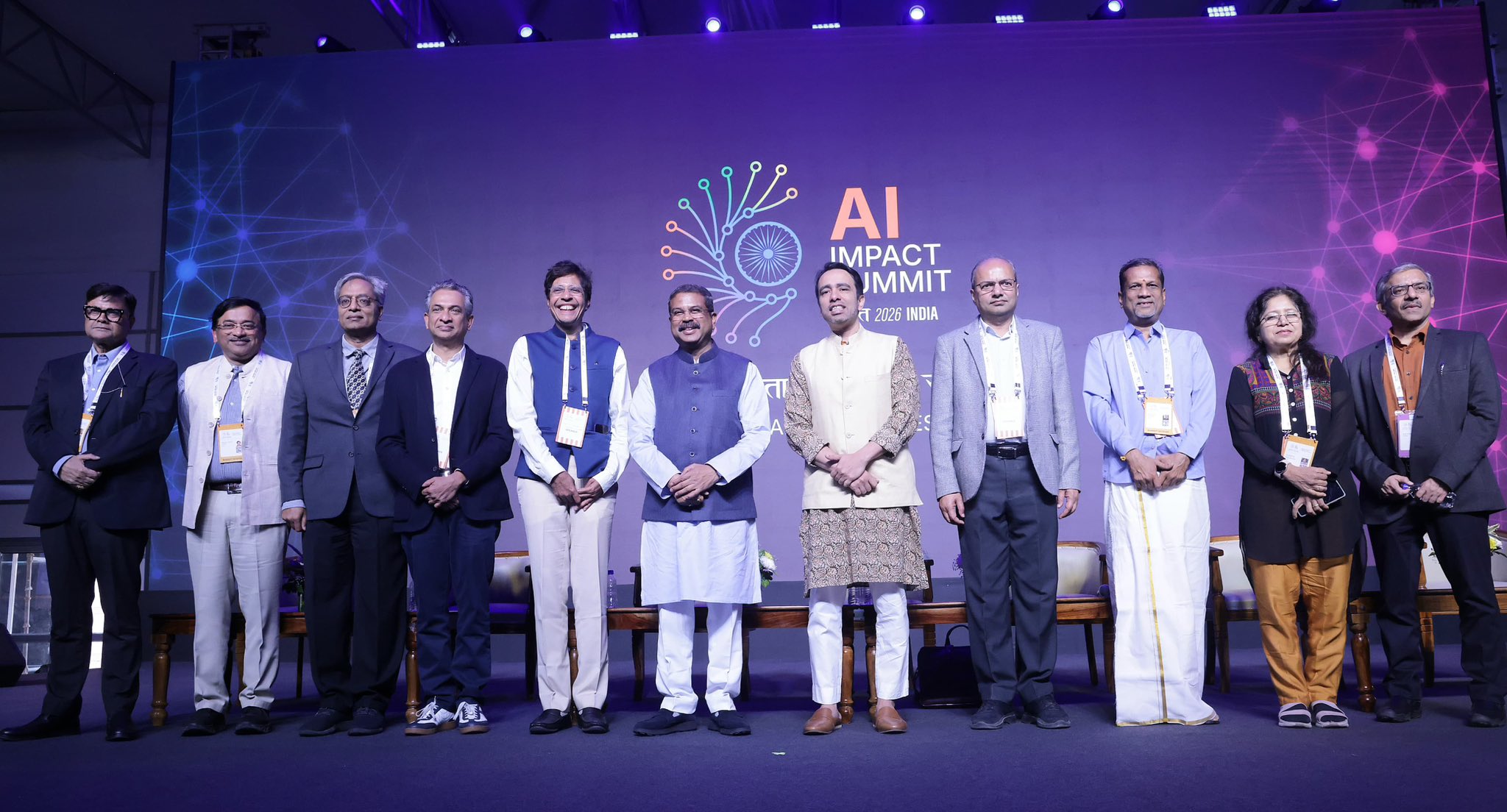
Jayant Chaudhary echoed these sentiments, pointing out that the Ministry’s pavilion at the summit showcased scalable, India-centric AI applications translating policy intent into measurable outcomes. Demonstrations highlighted adaptive learning platforms, AI-assisted skill training modules and research-driven innovations emerging from higher education institutions.
Eminent Panel Deliberates on AI Ecosystem
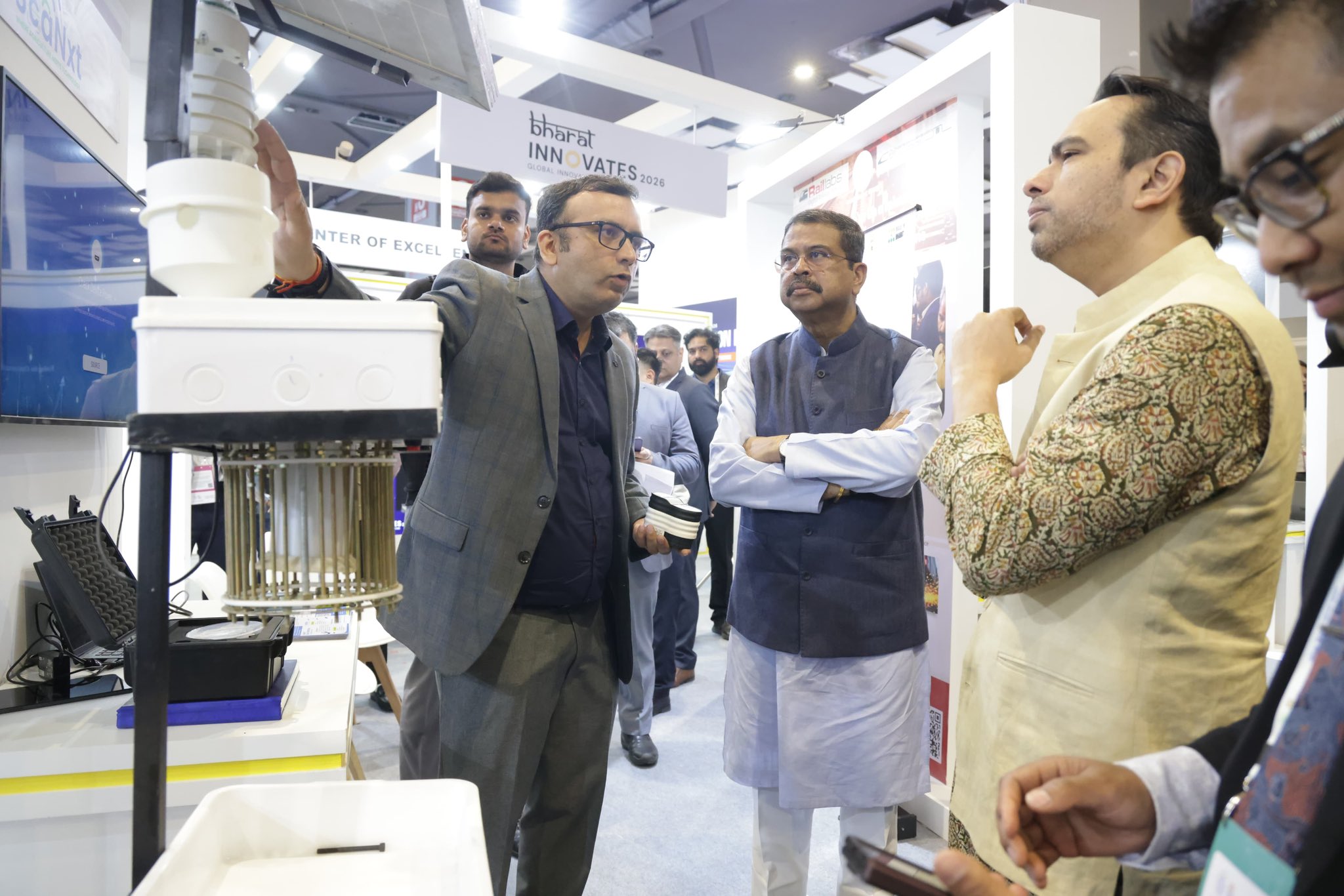
The session featured a distinguished panel comprising leaders from academia, industry and investment sectors. Among them were Dr. Sridhar Vembu of Zoho Corporation, Dr. Vibhu Mittal, technologist and innovation leader at Inflection, and Rajan Anandan, Managing Director at Peak XV Partners. Academic voices included Prof. Manindra Agrawal, Director of the Indian Institute of Technology Kanpur, Prof. V. Kamakoti of IIT Madras, and Prof. Sunita Sarawagi from the Indian Institute of Technology Bombay. The discussion was moderated by Prof. Manoj S. Gaur, Director of the Indian Institute of Technology Jammu.
Panelists examined how governance frameworks, public digital infrastructure and indigenous AI research can collectively enhance learning outcomes. They stressed the need for systemic reforms rather than isolated pilot projects, advocating long-term collaboration between government bodies, educational institutions and private enterprises.
Speakers also discussed the importance of ethical AI standards, data protection safeguards and transparent algorithmic practices in education technologies. They emphasised that India’s AI journey must be guided by inclusivity, accessibility and accountability.
Building a National AI-in-Education Framework
The Ministry reiterated that the transition from policy formulation to nationwide implementation is already underway. Initiatives such as teacher training programmes, curriculum updates incorporating AI fundamentals, and expanded research funding aim to create a comprehensive ecosystem supporting AI adoption.
Industry-academia partnerships were highlighted as a cornerstone of the strategy. By encouraging startups and research institutions to collaborate on real-world challenges, the Ministry seeks to foster innovation tailored to India’s diverse educational landscape.
The session concluded with a call to intensify multi-stakeholder engagement in shaping India’s AI-in-education roadmap. Participants agreed that a coordinated approach integrating policy support, institutional capacity and technological advancement would be essential to realise the ambition of transforming India into a global leader in knowledge and innovation by 2047.
With the India AI Impact Summit 2026 serving as a catalyst, the Ministry of Education signalled its intent to position AI not just as a technological tool, but as a foundational driver of educational reform and national progress.



























No Comments: