WEF 2026 Panel: India on Path to Become Third-Largest Economy, Says Minister Ashwini Vaishnaw
At WEF 2026, Union Minister Ashwini Vaishnaw outlines India’s roadmap to become the world’s third-largest economy through infrastructure, inclusive growth, AI, semiconductors, and legal reforms.
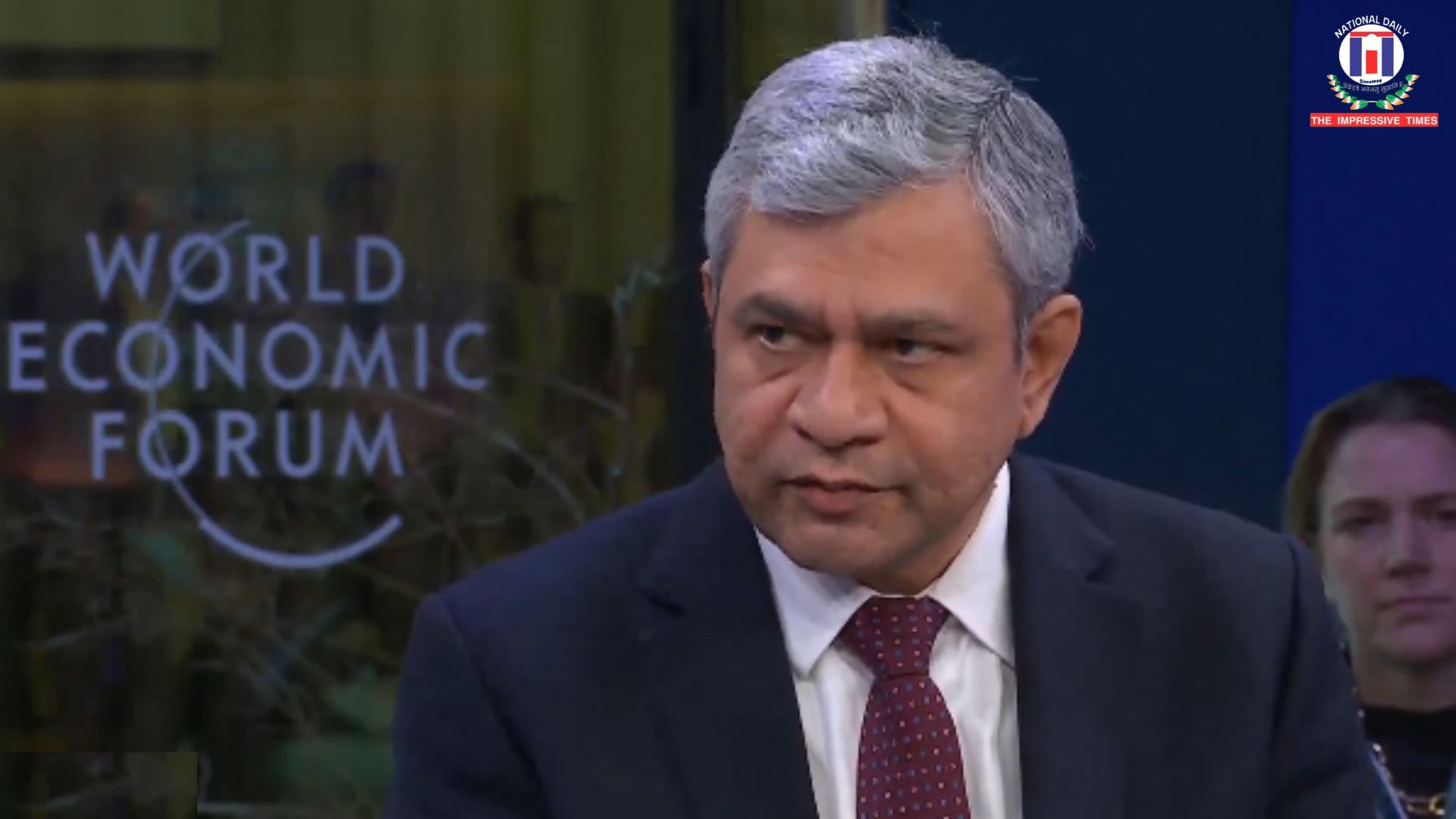
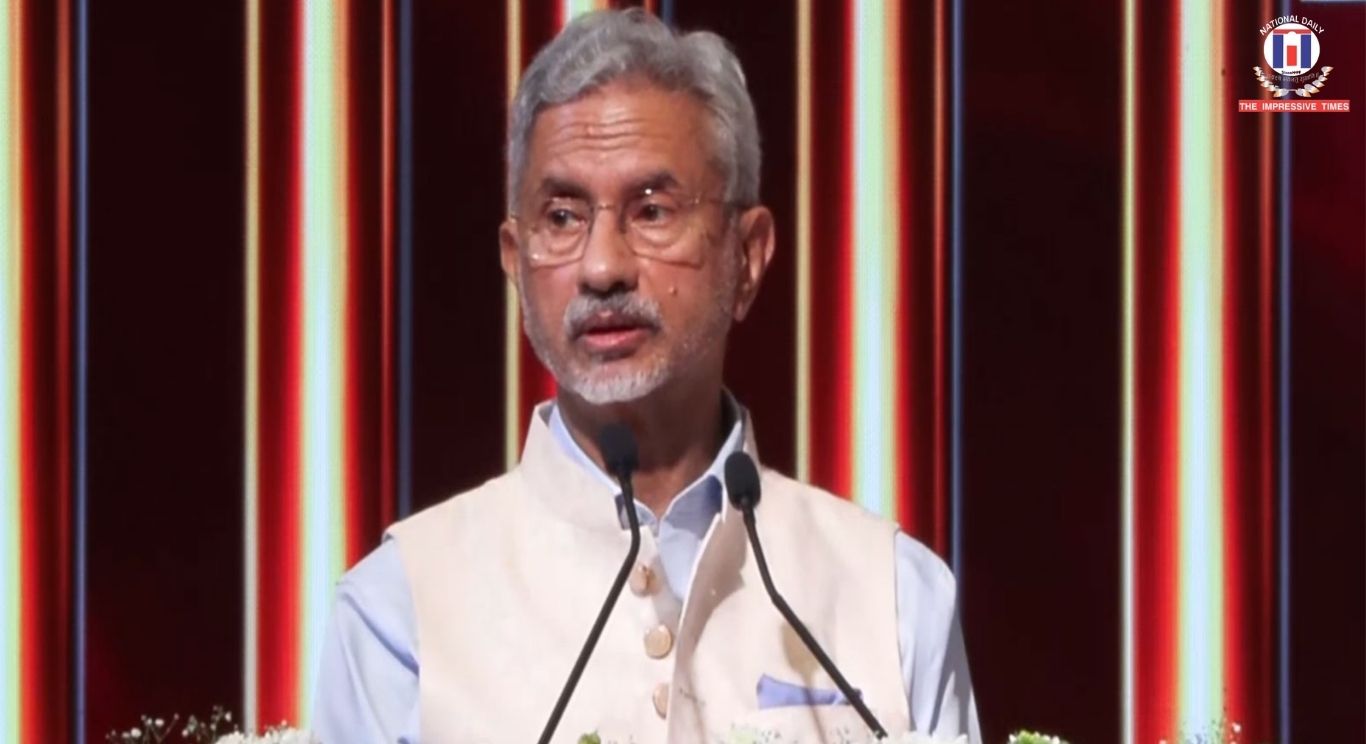
Davos, Switzerland: At a high-profile panel discussion at the World Economic Forum, Union Minister Ashwini Vaishnaw expressed strong confidence that India will become the world’s third-largest economy in the coming years, calling it a “certainty, not a question.”
Moderated by Kalli Purie, the discussion titled “Can India Become the Third Largest Economy in the World?” featured insights from global experts including Harvard Professor Gita Gopinath, Bharti Enterprises Chairman Sunil Bharti Mittal, and IKEA Group CEO Mr. Herrera.
Citing the International Monetary Fund’s (IMF) recent upward revision of India’s growth forecast to 7.3% for 2026, Vaishnaw highlighted four pillars driving India’s economic transformation: public investment in infrastructure, inclusive growth, manufacturing and innovation, and regulatory simplification, all supported by robust technology integration.
He pointed to key achievements such as 540 million new bank accounts, 130 million toilets constructed, and 800 million people receiving monthly rations, emphasizing that these measures have helped 250 million people rise out of poverty.
Vaishnaw also underlined potential risks, particularly the high levels of global debt in developed economies and its possible repercussions on India.
On reforms, he noted that India had removed 1,600 outdated laws and 35,000 compliances in the last decade to simplify procedures, streamline governance, and boost the ease of doing business. Permits that once took years, like telecom tower approvals, now take days, and railway connections that took six years are completed in a few months.
Addressing global trade challenges, Vaishnaw said India remains a resilient economy, expanding exports despite high tariffs and emerging as a trusted value-chain partner rather than just a supply-chain provider. The electronics sector, he added, has become India’s third-largest export commodity, reflecting the country’s growing industrial capability.
On technology, he emphasized India’s growing role in the AI sector, noting progress across all five layers of the AI stack. “India has become one of the largest AI-based service providers globally,” he said, highlighting investments in sovereign AI models, semiconductor manufacturing, infrastructure, and clean energy, including opening the nuclear energy sector to private investment.
Vaishnaw concluded that India’s cooperative federalism model, combined with strategic reforms in labor, energy, taxation, and industry, positions the country to achieve sustained growth of 6–8% in real terms with moderate inflation over the next five years, making its rise to the third-largest economy inevitable.




















No Comments: