
 The Impressive Times
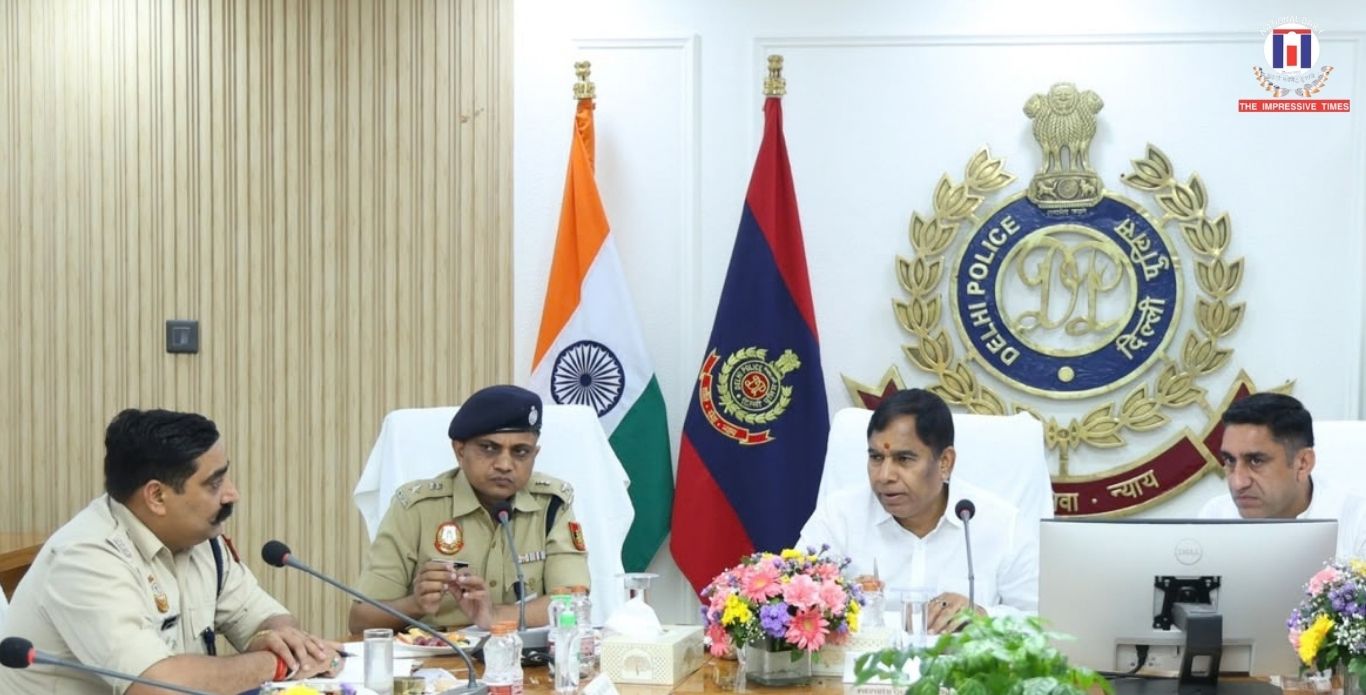
New Delhi : The Cooperative Election Authority (CEA) on Monday held a consultative interaction with representatives of Multi-State Cooperative Societies of Railway Employees to guide them on updating their bye-laws in line with the Multi-State Cooperative Societies (Amendment) Act, 2023, officials said.
The meeting brought together office bearers from 16 railway employees’ multi-state cooperative societies, with more than 40 senior representatives, including chairpersons and chief executives, participating in the deliberations. The discussions focused on ensuring legal compliance, strengthening internal governance, and preparing societies for timely elections.
Chairperson of the Cooperative Election Authority, Devendra Kumar Singh, briefed participants on the statutory role of the Authority, which was created following the 2023 amendments to the MSCS Act. He underlined that the CEA is responsible for preparing voter lists and conducting elections in a transparent and impartial manner across multi-state cooperative institutions.
Providing an overview of its work, Singh said the Authority has so far completed 220 elections nationwide, while 70 more polls are currently underway in various cooperative societies.
Railway employees’ cooperative societies form a significant segment of the multi-state cooperative framework, collectively representing around 8–10 lakh railway personnel. These societies primarily function as credit institutions, offering savings and loan facilities to members, with an estimated financial footprint of nearly ₹10,000 crore. Four of these cooperatives also operate as licensed banks.
Officials noted that elections have already been conducted by the CEA in several prominent railway employees’ cooperative institutions across Mumbai, Kolkata, Gorakhpur, Bikaner and other locations.
The interaction also covered procedural issues such as the formation of representative general bodies, election of delegates, advance submission of election proposals—at least six months before the end of a board’s term—and the importance of maintaining updated websites to promote transparency.
To standardise and strengthen electoral practices, the CEA has developed a range of institutional tools, including manuals for returning officers, guidelines on voter list preparation, model codes of conduct, and norms for reporting election expenditure by candidates.
Vice-Chairperson R.K. Gupta outlined operational challenges encountered during elections and explained the safeguards adopted to ensure fairness and credibility in the process.
The need for urgent amendment of bye-laws to align with the revised legal framework was also stressed by Central Registrar of Cooperative Societies Anand Kumar Jha and CEA Member Monika Khanna, who said compliance is essential for smooth and timely conduct of elections.
Senior officials from the Ministry of Railways and the Ministry of Cooperation were present during the meeting. Participants welcomed the Authority’s outreach efforts and recommended that such engagements be held regularly to reinforce democratic functioning within cooperative institutions.




























No Comments: