Vice-President C. P. Radhakrishnan Calls Languages the Soul of India’s Civilisation
India’s Languages Have United, Not Divided the Nation: Vice-President

 The Impressive Times
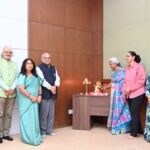
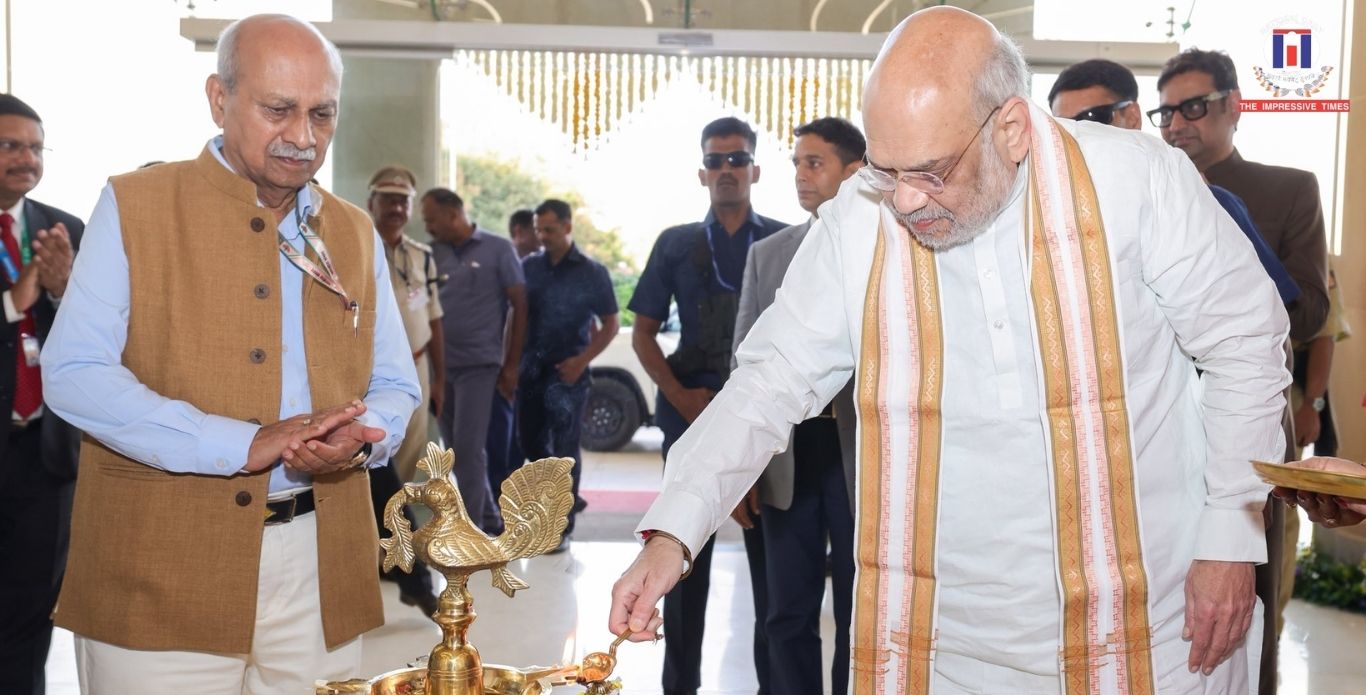
New Delhi: Vice-President of India C. P. Radhakrishnan on Thursday inaugurated the Third International Conference on Indian Languages in the national capital, underlining that India’s linguistic diversity has always strengthened national unity rather than weakened it.
Speaking before scholars, linguists and international delegates, the Vice-President described language as the living conscience of a civilisation. He said languages carry collective wisdom, cultural memory and ethical values from one generation to another, shaping humanity’s intellectual and moral foundations. From ancient inscriptions and palm-leaf manuscripts to today’s digital texts, languages have safeguarded India’s philosophy, science, literature and spiritual traditions.
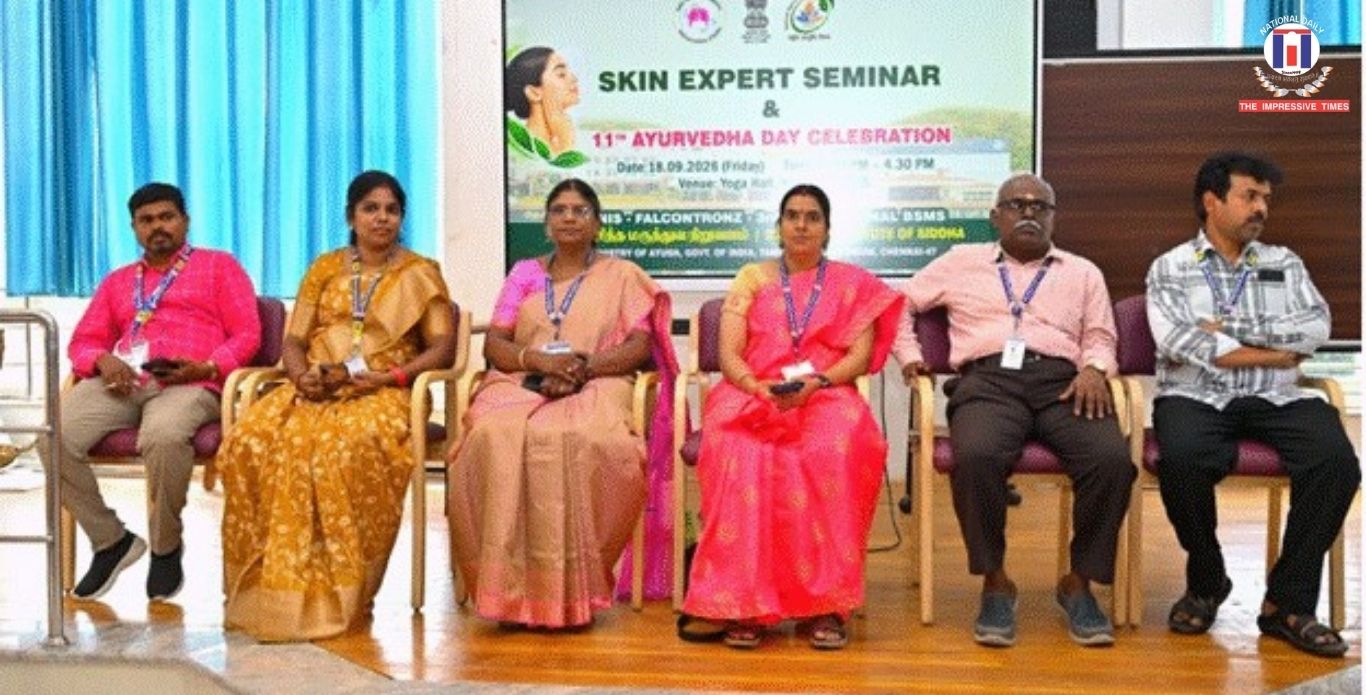
Referring to his recent visit to Chennai for Siddha Day celebrations, Radhakrishnan recalled witnessing thousands of palm-leaf manuscripts that reflect India’s deep-rooted multilingual knowledge systems. He noted that every Indian language has played a vital role in fields such as medicine, governance, philosophy, science and spirituality.
Rejecting the notion that linguistic diversity causes division, the Vice-President asserted that India’s many languages have preserved a shared civilisational consciousness and a common Dharma. He emphasised that unity in India has always been built on respect for diversity rather than uniformity.
Sharing his experience as Chairman of the Rajya Sabha, Radhakrishnan observed a growing trend of Members of Parliament speaking in their mother tongues, calling it a positive sign for inclusive democracy. He also highlighted the recent release of the Constitution of India in the Santhali language by President Smt. Droupadi Murmu, terming it a landmark step towards linguistic equality and democratic dignity.
The Vice-President said the Constitution and its Eighth Schedule embody India’s ancient wisdom by recognising multiple languages, reinforcing the idea that democracy thrives when citizens can express themselves in their own linguistic voice.
Drawing attention to global concerns, he warned that many indigenous languages worldwide are facing extinction. He stressed that international language conferences play a crucial role in research, academic cooperation and the preservation of endangered languages, scripts and manuscripts.
Highlighting government initiatives, Radhakrishnan praised the National Education Policy 2020 for promoting multilingual learning and lauded the Gyan Bharatam Mission for conserving and sharing India’s manuscript heritage. These efforts, he said, reflect India’s belief that knowledge is sacred and must be accessible to all.
Advocating the use of modern technology, the Vice-President called for digital archives, artificial intelligence-based translation tools and multilingual digital platforms to support the growth and survival of Indian languages in the modern era.
Concluding his address, Radhakrishnan said that safeguarding languages means protecting civilisation itself. He added that nurturing linguistic diversity strengthens democracy and honours the dignity of every individual.
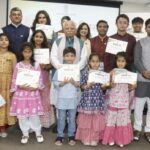
The event was attended by former Union Education Minister Dr Ramesh Pokhriyal ‘Nishank’, Chairman of the Indira Gandhi National Centre for the Arts Shri Ram Bahadur Rai, Secretary General of the Council for International Cooperation Shri Shyam Parande, along with academicians, researchers and delegates from India and abroad.












No Comments: