MoCA Launches 24×7 Passenger Assistance Control Room to Speed Up Grievance Redressal
13,000 grievances resolved through focused monitoring and expedited interventions since December 03, 2025

 The Impressive Times
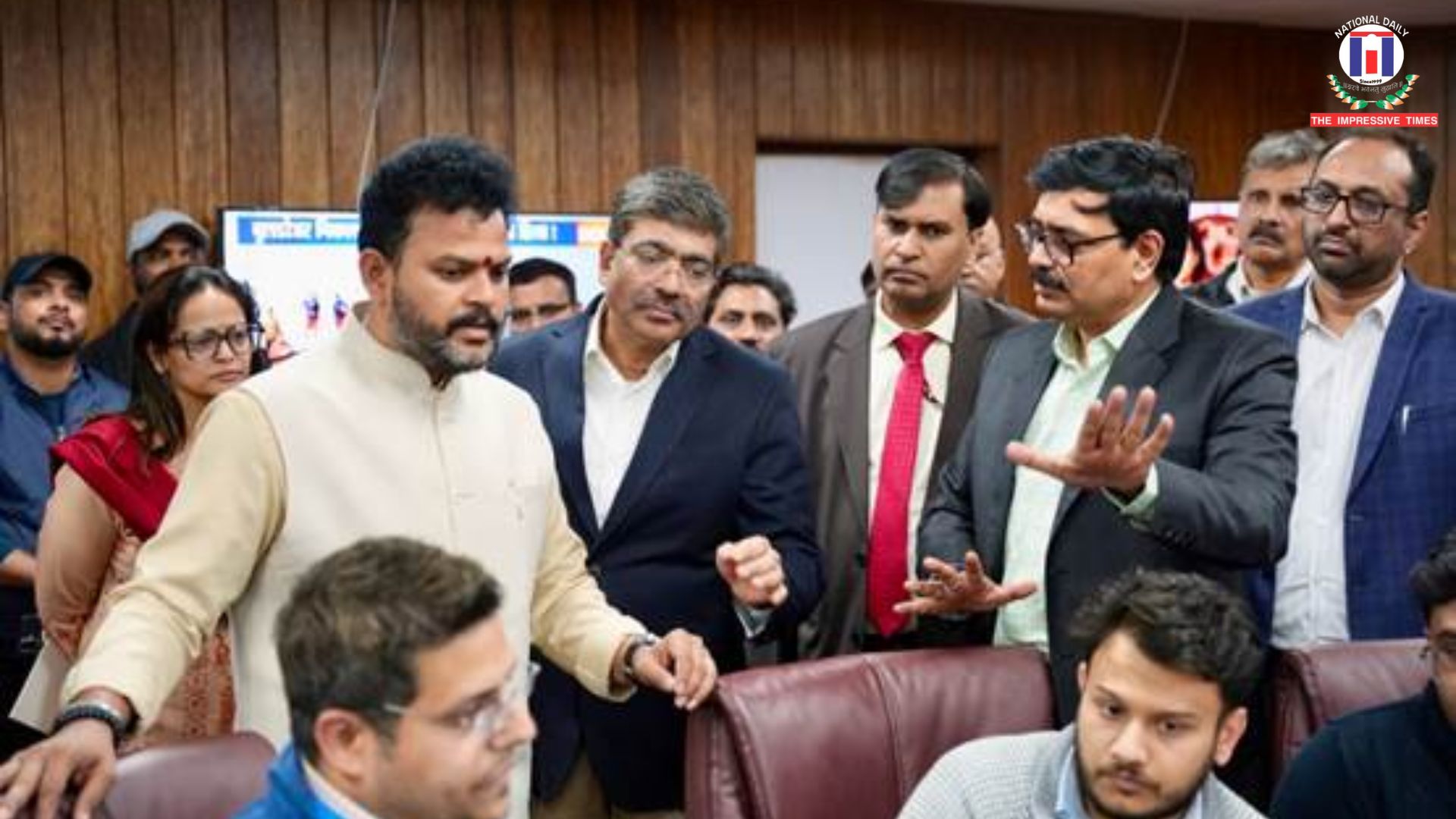
New Delhi, December 28, 2025: In a major step towards strengthening passenger-centric aviation governance, the Ministry of Civil Aviation (MoCA) has operationalised a dedicated Passenger Assistance Control Room (PACR) to ensure faster and more coordinated resolution of air traveller grievances.
India’s civil aviation sector has expanded rapidly over the last decade, especially in the past eleven years, resulting in a sharp increase in passenger movement and route connectivity. While this growth reflects the sector’s success, it has also led to operational challenges such as flight delays, refund disputes, baggage-related complaints, terminal congestion and inadequate passenger amenities during peak travel periods.
To address these issues in a structured and real-time manner, the Ministry, under the leadership of Civil Aviation Minister Ram Mohan Naidu, has set up a permanent, round-the-clock Passenger Assistance Control Room. The initiative is being led by MoCA Secretary Samir Kumar Sinha with the aim of institutionalising a unified and technology-driven response system for passenger support and crisis management.
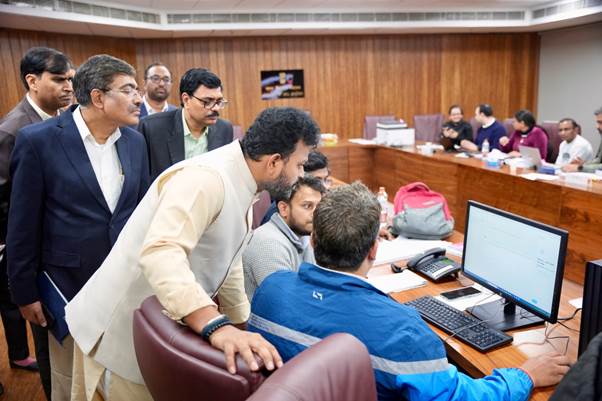
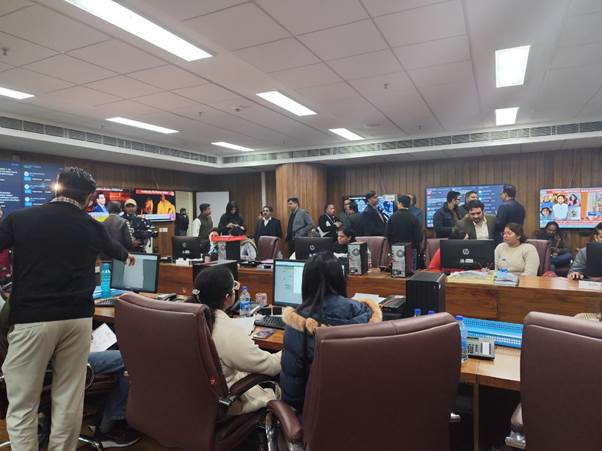
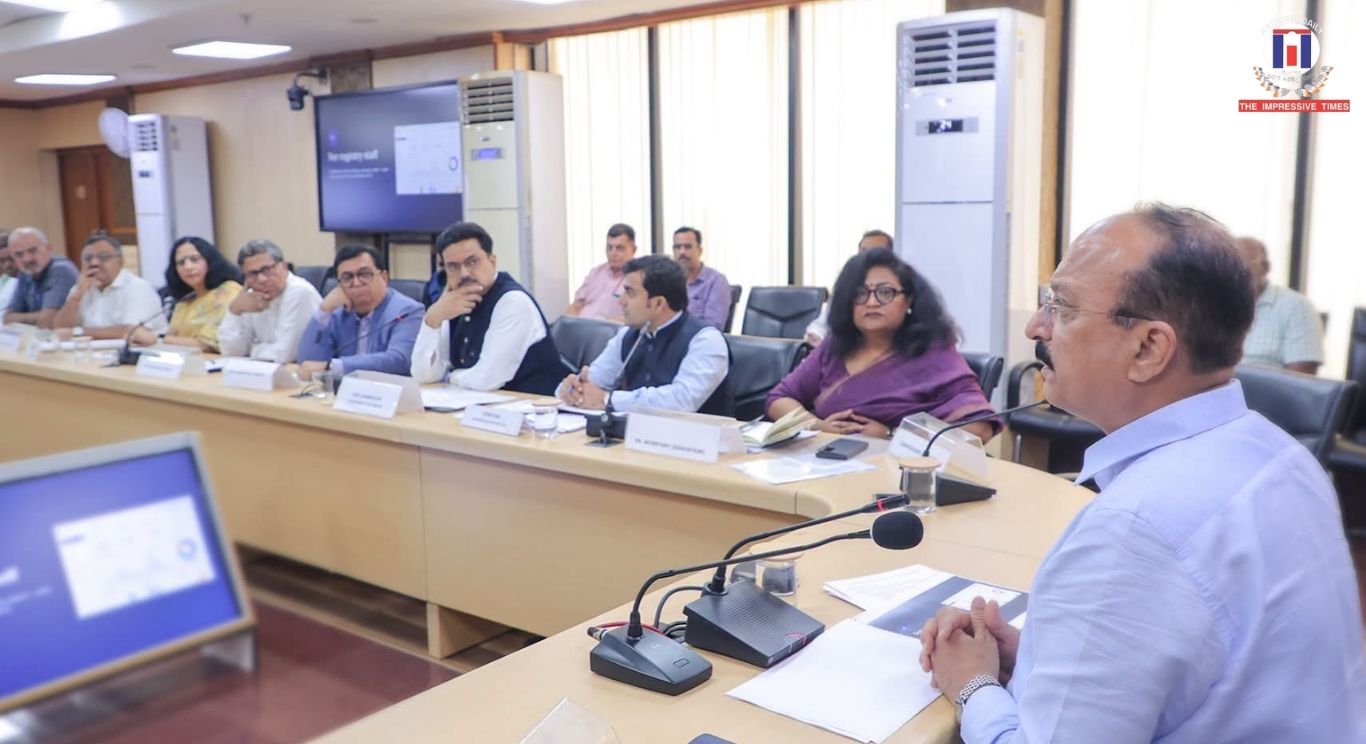
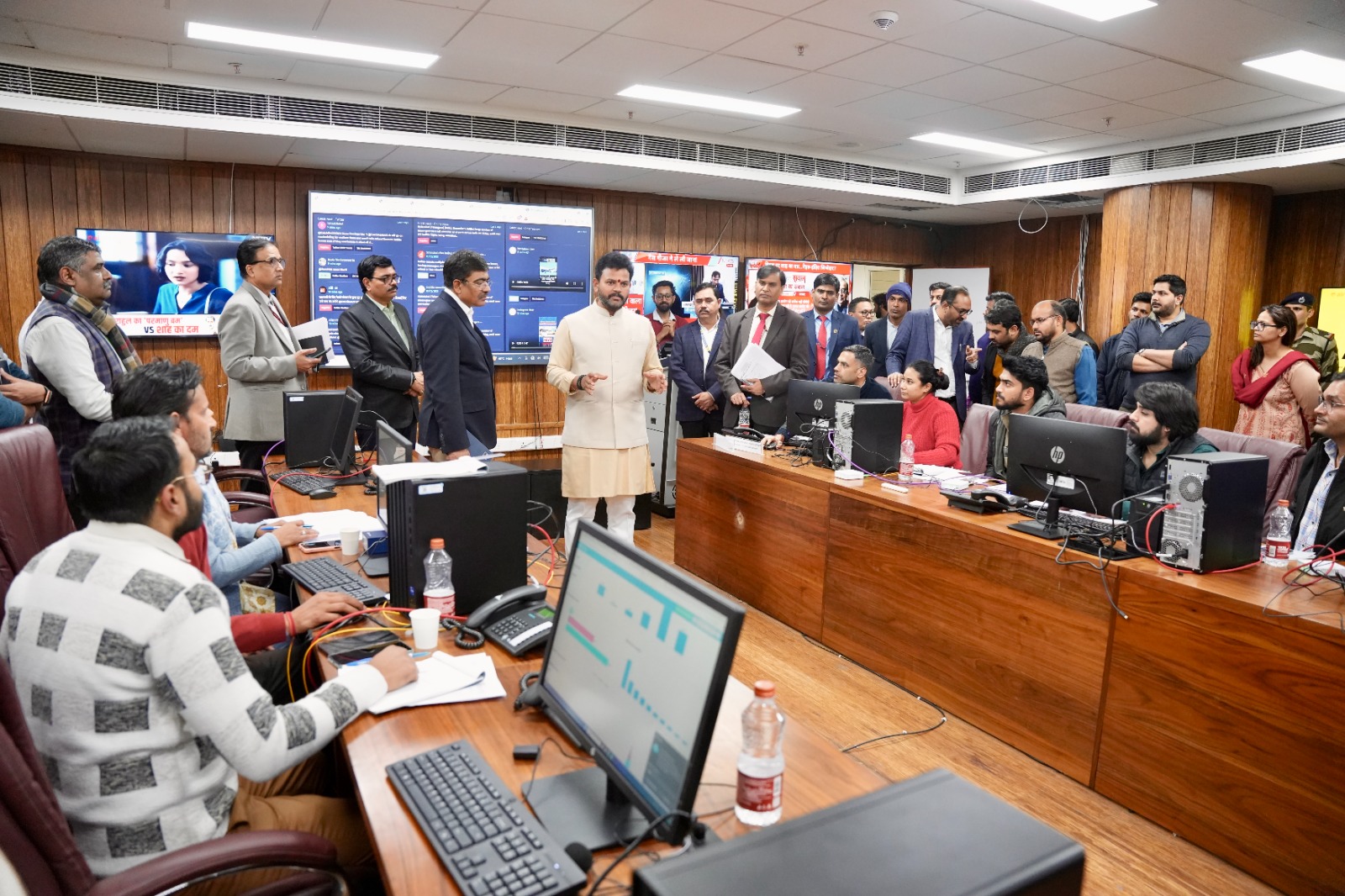
Located at Udaan Bhawan in New Delhi, the PACR functions as a central coordination hub, bringing together officials from the Ministry of Civil Aviation, the Directorate General of Civil Aviation (DGCA), Airports Authority of India (AAI), airline operators and other key aviation stakeholders.
According to Secretary Samir Kumar Sinha, the Control Room continuously tracks aviation operations, receives passenger calls and facilitates immediate coordination among stakeholders to resolve complaints efficiently. He noted that the PACR operates 24×7, ensuring uninterrupted monitoring and assistance.
The government’s AirSewa grievance redressal platform has been fully integrated into the PACR framework. Passenger complaints received through multiple channels are converted into actionable cases using an omni-channel technology system. Real-time dashboards provide live insights into complaint categories, response timelines and stakeholder actions, enabling data-backed decision-making.
The physical presence of airline representatives within the Control Room allows instant coordination and faster on-ground solutions, significantly reducing response time.
Since becoming operational on December 3, 2025, the PACR has successfully resolved more than 13,000 passenger grievances through focused monitoring and prompt interventions. Additionally, over 500 call-based assistance cases have been handled to support passengers during operational disruptions.
High-priority issues such as flight delays, cancellations, baggage mishandling and refund disputes are being addressed strictly in line with the provisions of the Passenger Charter, ensuring transparency and accountability.
The PACR has been designed around a clear passenger-first philosophy. Its core principles include collaborative action among stakeholders, convergence of regulatory and operational agencies, and the adoption of a future-ready, technology-enabled framework capable of scaling with the sector’s growth.
Secretary Sinha personally reviews PACR operations on a daily basis to ensure swift grievance resolution. Senior leadership from AAI, DGCA and MoCA has played a crucial role in ensuring the system’s smooth and effective functioning.
The enhanced speed and transparency of grievance redressal have received encouraging feedback from air travellers and industry stakeholders. Reaffirming the Ministry’s commitment, Sinha stated that MoCA plans to further strengthen the PACR by deploying dedicated manpower, upgrading technological infrastructure and improving logistical support.
The initiative aims to ensure that passenger assistance in India’s aviation sector is delivered with empathy, efficiency and accountability, setting a new benchmark for responsive air travel governance.



























No Comments: