Pumped Storage Projects Key to India’s Green Power Stability, Says Union Power Minister Manohar Lal
At the Consultative Committee meeting in Andhra Pradesh, the Power Ministry emphasises PSPs as vital for storing surplus renewable energy; 224 GW potential identified nationwide with projects rapidly progressing.
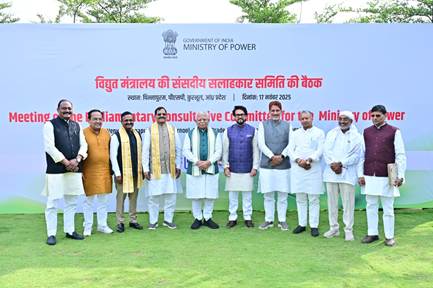
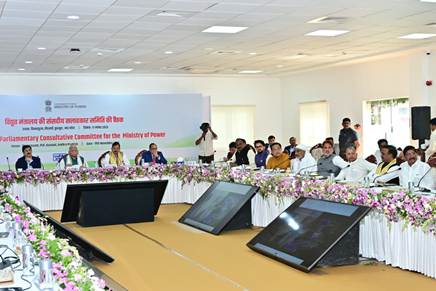
Union Minister of Power, Manohar Lal, has highlighted the crucial role of Pumped Storage Projects (PSPs) in strengthening India’s renewable energy ecosystem, particularly in storing surplus green power and ensuring grid stability during non-solar hours. He was addressing the Consultative Committee of Members of Parliament for the Ministry of Power at a meeting held today in Pinnapuram, Kurnool district, Andhra Pradesh.
The meeting was attended by Shripad Yesso Naik, Minister of State for Power, Members of Parliament from both Houses, and senior officials of the Ministry of Power, Central Electricity Authority (CEA), and CPSUs.
PSPs Are Key to Managing Surplus Renewable Energy
The Minister noted that while India is currently a power-surplus country, a significant portion of renewable energy—especially solar—remains underutilised due to limited tie-up capacity. PSPs, he stressed, offer an effective solution by storing excess green power and releasing it when demand peaks.
Addressing concerns regarding evaporation losses in PSP reservoirs, Manohar Lal suggested the integration of floating solar power plants as an innovative countermeasure. He further emphasised the critical role of State Governments in enabling PSP development by ensuring timely site and water allocation and speeding up project clearances. He urged Members of the Committee to engage with States to consider waiving charges such as Green Energy cess, water tax, and reservoir lease fees to expedite PSP rollout.
224 GW PSP Potential Identified Nationwide
Officials informed the Committee that India has an identified PSP potential of approximately 224 GW. Of this:
-
10 PSPs (around 7 GW) have already been commissioned
-
10 PSPs (around 12 GW) are under construction
-
56 PSPs (around 78 GW) are at various stages of planning and development
The remaining potential is being actively explored in collaboration with States.
Policy Push Strengthens Developer Confidence
The Government of India has undertaken major policy reforms to accelerate the PSP sector, including:
-
Guidelines for PSP development, covering site allotment, exemption from free power, and LADF obligations
-
25-year ISTS charge waiver for projects awarded on or before 30 June 2028
-
Budgetary support for enabling infrastructure
-
Renewable Consumption Obligations for energy storage
-
TBCB guidelines for procurement of stored energy
-
CEA concurrence exemption for off-stream closed-loop PSPs
-
Revised CEA capital expenditure threshold to ₹3,000 crore
Committee members appreciated the comprehensive policy support, noting improved confidence among State governments and developers.
Environmental Considerations and Suggestions
Members also discussed environmental implications of PSPs and renewable energy sources like solar and wind. They underscored that PSPs have relatively lower environmental impact compared to other storage and balancing technologies.
Major Milestones Ahead
Minister of State Shripad Yesso Naik informed that the commissioning of all eight units of the 1680 MW Pinnapuram PSP, along with the 500 MW Tehri PSP, during 2025–26 will mark a major milestone in India’s clean energy journey. He highlighted that such achievements represent strong coordination between the Centre, States, CPSUs, and private sector.



































No Comments: