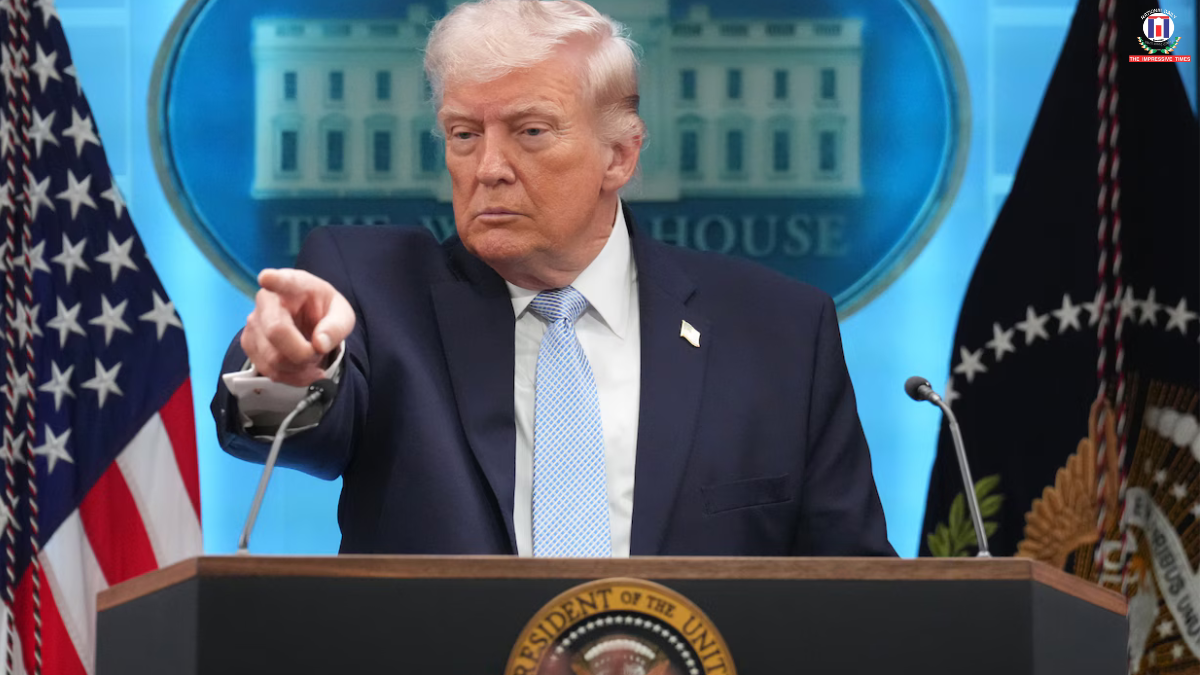
A dramatic shift unfolded in West Asia as Donald Trump declared a temporary ceasefire with Iran, stepping back from weeks of rising tensions that had brought the region to the brink of wider conflict.
The announcement came on the 40th day of hostilities, marking a stark contrast to Washington’s earlier aggressive posture. In early March, Trump had taken a hardline stance, insisting that only a complete surrender by Tehran would be acceptable. However, the latest move suggests a recalibration of strategy amid shifting ground realities.
Just hours before confirming the ceasefire, Trump had issued strong warnings targeting Iran’s infrastructure. Yet, the sudden decision to halt military actions indicates growing pressure to avoid prolonged instability in a region critical to global energy supplies.
The U.S. has now signaled openness to diplomatic engagement, describing Iran’s proposals as a viable starting point for further discussions. This marks a notable departure from earlier rhetoric centered on regime change and total compliance.
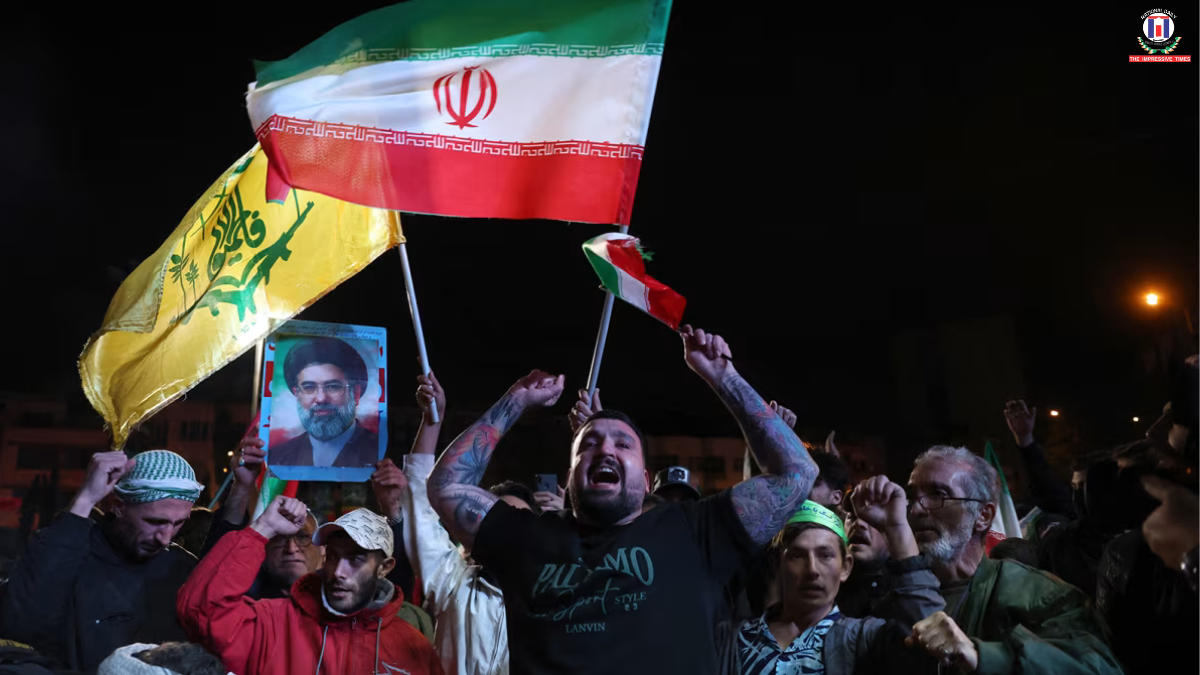
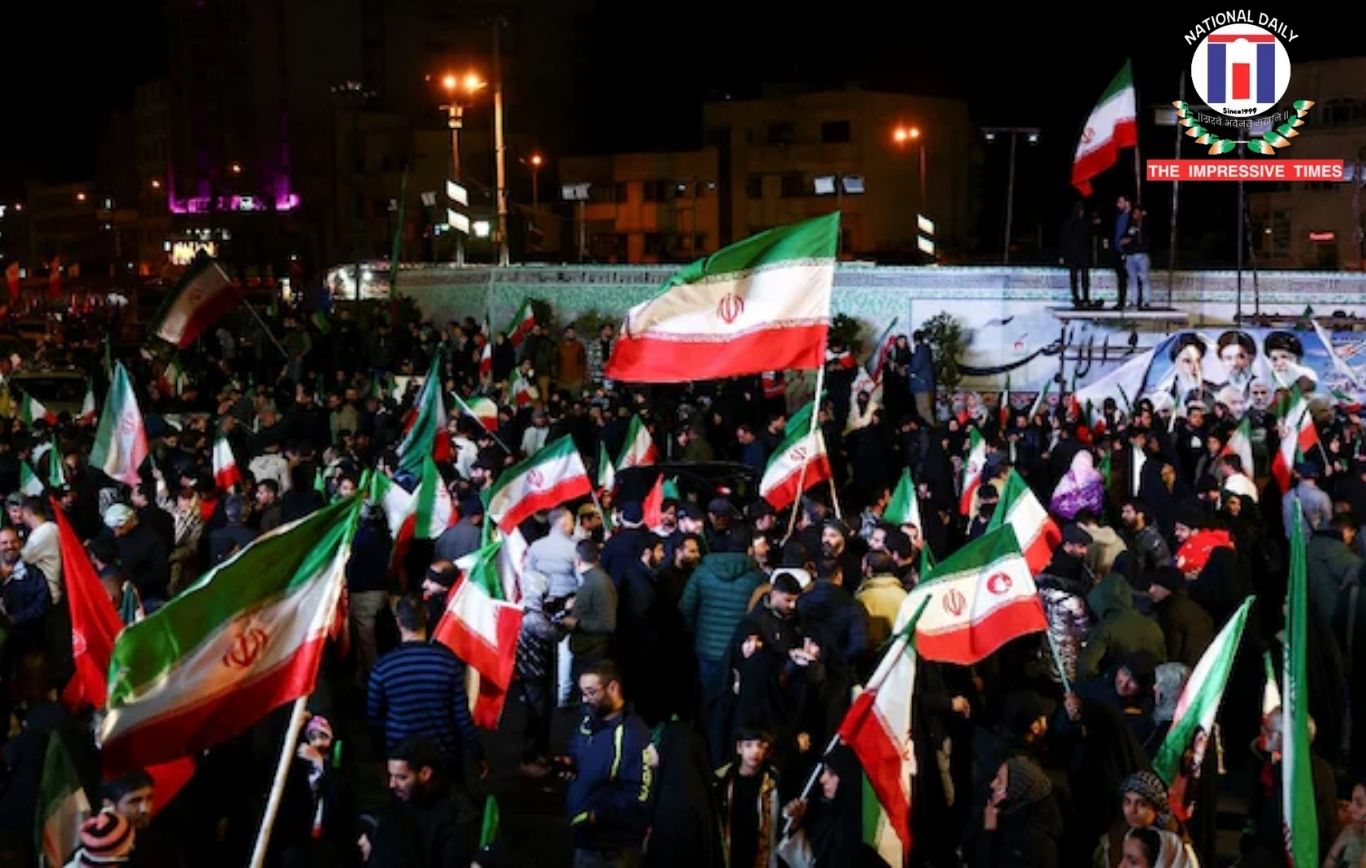
Tehran, on its part, has responded positively to the ceasefire while emphasizing its control over key strategic routes, particularly the Strait of Hormuz. Iranian authorities assured that maritime traffic would remain secure, reinforcing their role as a dominant regional player.
Analysts believe that despite sustained military pressure, Iran has managed to maintain both internal stability and external influence. The outcome of the conflict appears to have strengthened its standing across the Persian Gulf and beyond.
The developments highlight the challenges faced by the United States in reshaping geopolitical realities in West Asia. While Washington entered the conflict with clear objectives, the eventual pause without decisive outcomes raises questions about the effectiveness of its approach.
Observers note that the ceasefire underscores a broader trend: regional powers like Iran are increasingly capable of resisting external pressure while shaping outcomes on their own terms.
The two-week ceasefire is being seen as a critical window for diplomacy. With both sides signaling cautious willingness to engage, the coming days will determine whether this pause leads to a long-term agreement or merely delays further confrontation.
For now, the situation reflects a delicate balance—where military might, economic interests, and regional dynamics intersect in one of the world’s most volatile regions.



































No Comments: