Samvidhan Hatya Diwas: Amit Shah Warns Against Repeating the Mistakes of the Emergency Era
“Democracy was crushed in one night.” On 50 years of the Emergency, Amit Shah marks June 25 as Samvidhan Hatya Diwas—a reminder of how fragile freedom can be.


 The Impressive Times
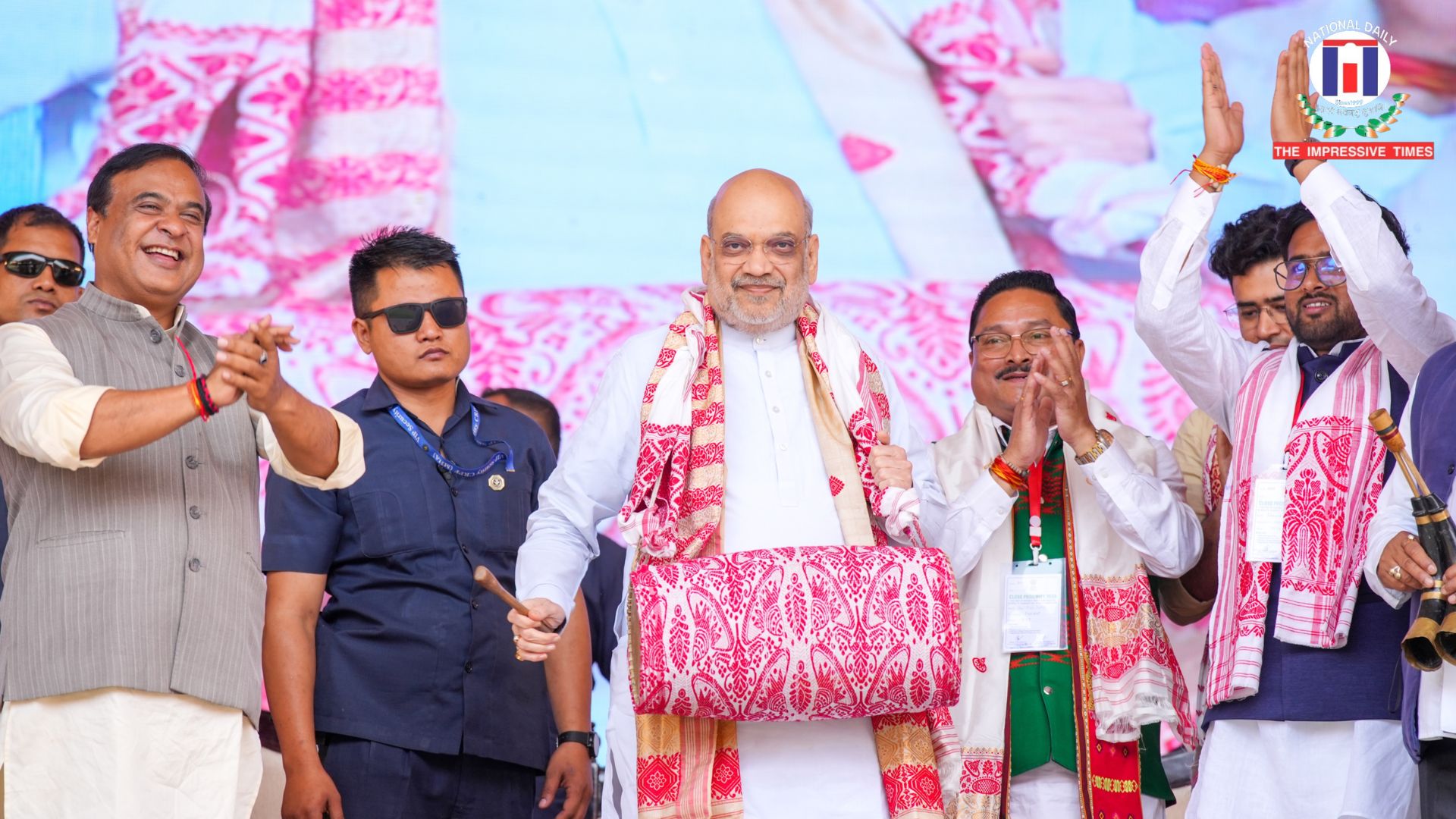
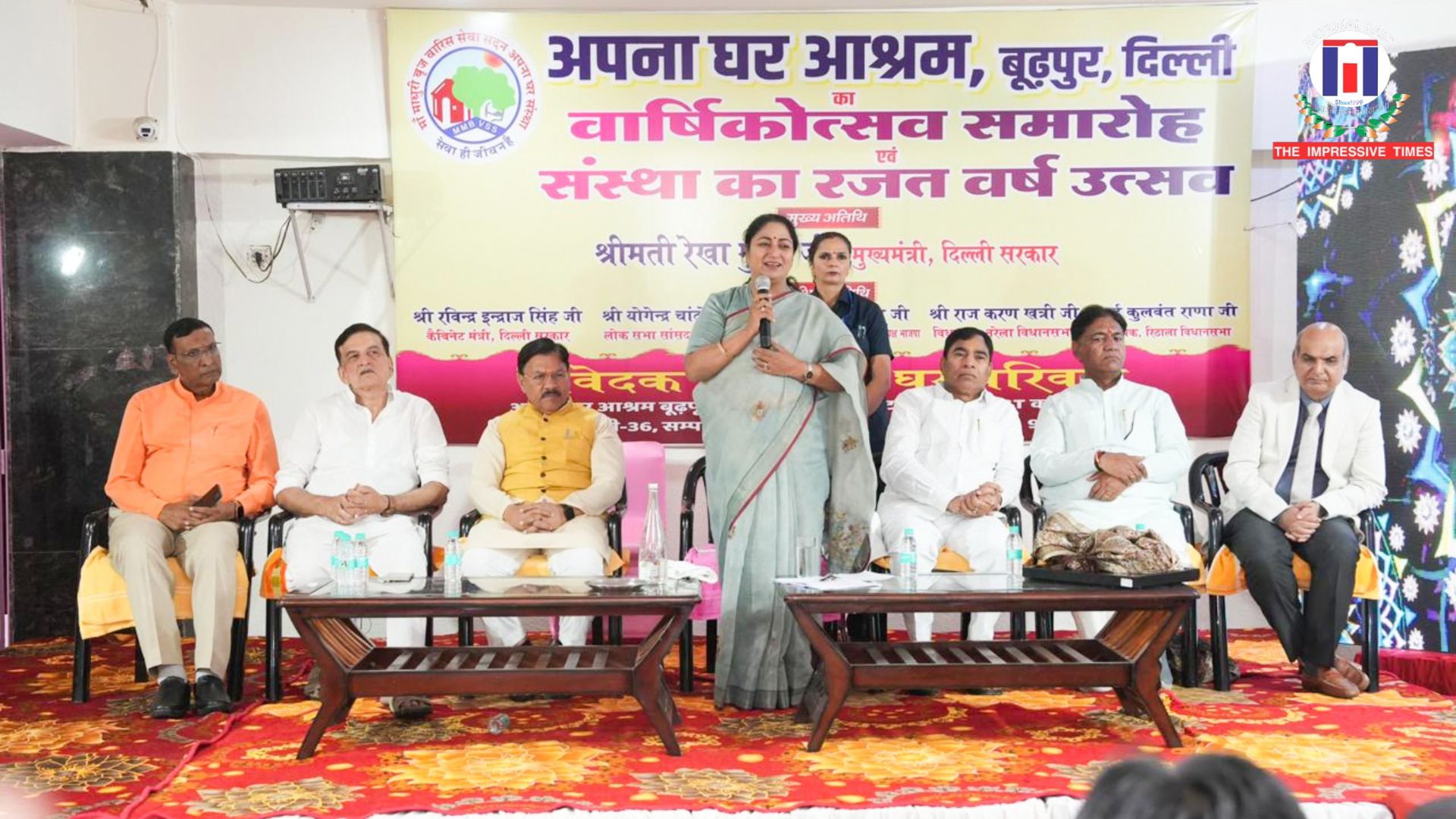
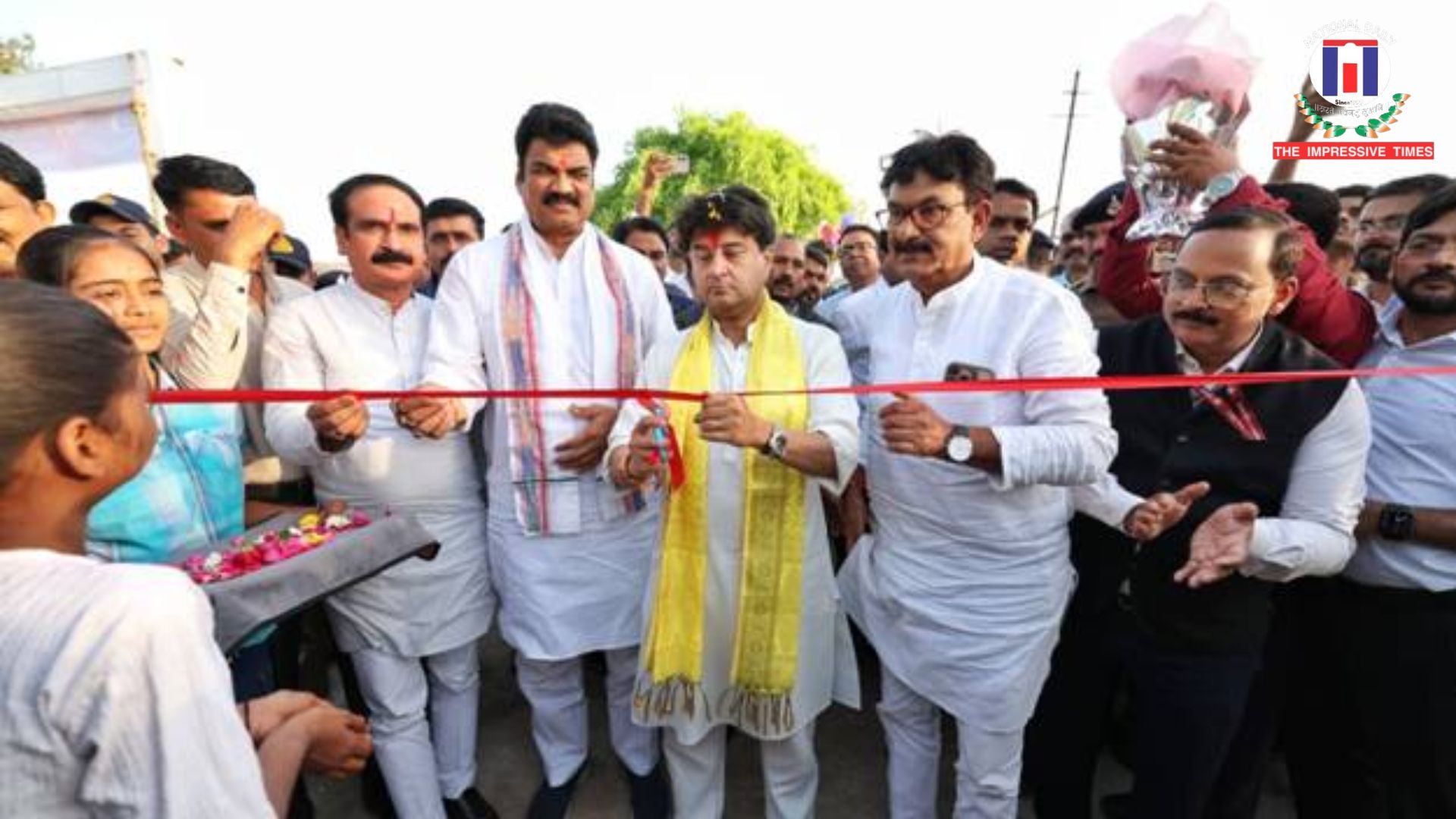
New Delhi, 25 June- Union Home Minister and Minister of Cooperation, Amit Shah, addressed a solemn gathering in New Delhi today to mark ‘Samvidhan Hatya Diwas’, commemorating 50 years since the imposition of Emergency in India on June 25, 1975. The event was also attended by Ashwini Vaishnaw, Minister for Electronics, Railways and I&B, Delhi LG Vinai Kumar Saxena, Chief Minister Rekha Gupta, and other dignitaries.
In his address, Amit Shah stressed the need to remember dark chapters in national life to protect democracy. “In personal life, bad memories may be erased. But in national life, such incidents must be remembered to ensure they are never repeated,” he said. He emphasized that Emergency Day serves not merely as a remembrance but as a powerful warning.
He added that under Prime Minister Narendra Modi’s leadership, June 25 is now officially commemorated as Samvidhan Hatya Diwas, a reminder of how democratic freedoms were crushed under a dictatorial regime.
Recalling the night of June 24, 1975, Shah narrated how the spirit of the Constitution was destroyed with just one sentence: “The President has declared Emergency.” He explained that despite being the result of years of discussion, sacrifice, and national consensus, the Constitution was sidelined by an authoritarian order.
He cited two significant events that triggered the Emergency:
The Allahabad High Court’s verdict invalidating the Prime Minister’s election.
The opposition’s victory in Gujarat, where a Janata Party-led government replaced the ruling party.
He asserted that the Emergency was not imposed due to any internal or external threat but because the Prime Minister’s position was under threat.
During the Emergency, freedom of expression, the press, and judiciary were all severely restricted. According to Shah, more than 1,10,000 activists were detained. Prominent artists like Kishore Kumar and Dev Anand were banned. Films like Aandhi and Kissa Kursi Ka were censored. Over 250 journalists were arrested, while several foreign correspondents were expelled.
Judges who opposed the regime were denied elevation. Editorials went blank. The country, he said, turned into a giant prison.
The Shah Commission later confirmed that forced sterilizations, arbitrary demolitions, and unlawful detentions had instilled nationwide fear—something unparalleled in independent India.
Shah contrasted the Emergency-era mindset—where party was seen above nation, and individual above all—with today’s governance. “Now, under Modi ji’s leadership, the spirit of Nation First echoes in every citizen’s heart,” he said.
He credited the sacrifices of thousands who spent 19 months in jail for the eventual defeat of the ruling party in the 1977 elections and the formation of India’s first non-Congress government.
Calling on the young generation, Shah urged them to read the Shah Commission Report and understand how democracy can be eroded by one individual’s hunger for power. He emphasized that this memory must remain alive so that India never again witnesses a similar assault on its democratic foundations.
Amit Shah’s speech on Samvidhan Hatya Diwas was a powerful reminder of the dangers of absolute power and the importance of constitutional values. As India moves forward toward its centenary of independence in 2047, the preservation of democracy remains a shared responsibility—one that begins with remembering the lessons of 1975.















No Comments: