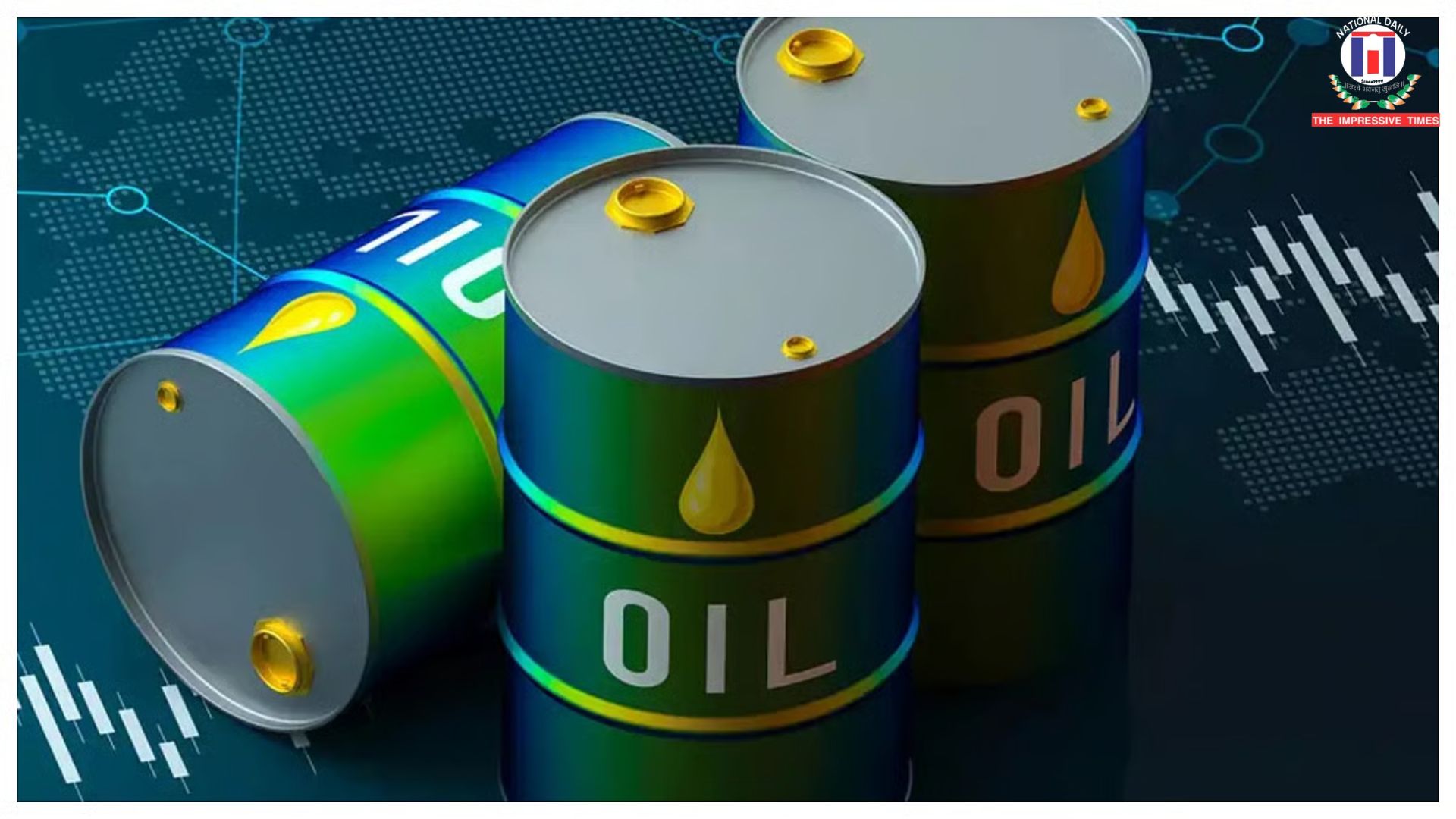
Chicago, March 9: Global crude oil prices climbed sharply on Monday, crossing the 114-dollar mark per barrel for the first time in nearly four years as the ongoing conflict involving Iran disrupted energy production and shipping routes across West Asia.
The benchmark Brent Crude jumped more than 23 percent to move past 114 dollars per barrel when trading resumed on the Chicago Mercantile Exchange. The surge came after the commodity had closed at about 92.69 dollars on Friday.
Meanwhile, West Texas Intermediate also recorded a steep rise, trading near 114 dollars per barrel, roughly 25 percent higher than its previous close of 90.90 dollars.
Energy markets have been under pressure as the war in West Asia entered its second week, with several countries linked to the production and transport of oil becoming directly affected by the fighting. Attacks targeting energy infrastructure and key facilities have intensified fears of a supply crunch.
One of the biggest concerns is the security of the Strait of Hormuz, a narrow passage that carries nearly 20 percent of the world’s crude oil shipments every day. According to estimates by Rystad Energy, about 15 million barrels of oil typically pass through this corridor daily.
The risk of missile and drone strikes has severely reduced tanker traffic through the strait. The route is a vital export channel for oil and gas supplies from countries including Saudi Arabia, Kuwait, Iraq, Qatar, Bahrain, United Arab Emirates and Iran.
Several producers in the region have already begun reducing output because storage facilities are filling up as exports slow down. In addition, energy facilities in multiple countries have reportedly been targeted since hostilities began, worsening concerns about global supply.
Oil markets had already experienced sharp volatility last week, with U.S. crude prices rising around 36 percent and Brent crude gaining about 28 percent as the conflict intensified.
The last time oil traded above the 100-dollar threshold was in mid-2022. U.S. crude futures crossed that level on June 30, 2022, while Brent crude moved past it in late July the same year.
The surge in energy prices has unsettled financial markets around the world. Economists warn that sustained high oil prices could drive inflation and reduce consumer spending, particularly in major economies.
In the United States, the average price of regular gasoline climbed to about 3.45 dollars per gallon on Sunday, nearly 47 cents higher than a week earlier, according to the AAA. Diesel prices also rose sharply to around 4.6 dollars per gallon.
U.S. Energy Secretary Chris Wright said the spike in fuel prices may be temporary, suggesting that gasoline prices could fall below 3 dollars per gallon again once the situation stabilizes.
Iran’s parliament speaker Mohammad Bagher Qalibaf warned that continued attacks on energy infrastructure could significantly damage the global oil industry.
Iran currently exports around 1.6 million barrels of crude oil per day, with a large share heading to China. Any disruption to those supplies could push prices even higher as buyers seek alternative sources.
Natural gas prices have also risen amid the conflict, though the increase has been less dramatic than oil. Meanwhile, U.S. stock futures signalled possible declines on Wall Street as investors reacted to the escalating geopolitical risks and rising energy costs.

 The Impressive Times














































No Comments: