67th EC of NMCG Approves Landmark Research Projects to Boost Scientific River Management
From glacier monitoring and Digital Twin development to major pollution abatement works, NMCG’s latest approvals strengthen evidence-based rejuvenation of Ganga and Yamuna rivers.
New Delhi: The 67th Executive Committee (EC) meeting of the National Mission for Clean Ganga (NMCG), chaired by Director General Rajeev Kumar Mital, approved a series of high-impact scientific and infrastructural initiatives aimed at advancing river rejuvenation across the Ganga basin. The meeting placed special focus on research-driven planning, pollution abatement, and the safe conveyance of treated sewage into the Yamuna.
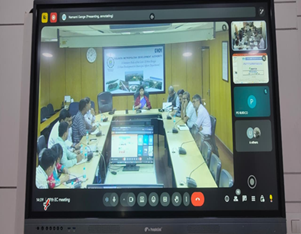
Senior officials including Gaurav Masaldan (JS & FA, DoWR), Nalin Srivastava (DDG, NMCG), Anup Kumar Srivastava (ED, Technical), S.P. Vashisth (ED, Admin), Brijendra Swaroop (ED, Projects), Bhaskar Dasgupta (ED, Finance), and state project directors from Uttar Pradesh and West Bengal attended the session.
Push for Science-Based River Basin Management
The EC approved several major research projects that will enhance the scientific understanding of river systems and enable data-backed decision-making. These include:
-
Monitoring of Key Himalayan Ganga Headstream Glaciers
-
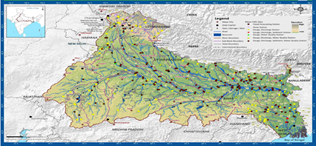
Digital Twin and Water Cycle Atlas for the Ganga Basin using AI, hydrological modeling, and satellite remote sensing
-
High-resolution SONAR-based Bathymetric Survey from Bijnor to Ballia
-
Managed Aquifer Recharge (MAR) using paleochannels in the Ganga–Yamuna Doab
-
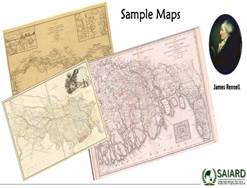
Digitization and Geospatial Database of Historical Maps of the Ganga Basin
Together, these initiatives strengthen NMCG’s strategy of integrating real-time hydrological data, AI tools, and advanced geospatial modelling to support long-term river health, climate resilience, sediment management, and groundwater security.
Major Pollution Abatement Projects Approved
The EC approved a significant pollution reduction project in West Bengal—Interception and Diversion (I&D) of drains and construction of STPs for the Mahananda River in Siliguri, costing ₹361.86 crore. The project includes:
Implemented under the Hybrid Annuity-based PPP model, the project aims to drastically reduce pollution entering the Mahananda and improve urban sanitation.
Another major approval includes the Conveyance of Treated Sewage from Coronation Pillar STP to the Yamuna, incorporating:
This project will support ongoing efforts under the Yamuna Action Plan to enhance water quality in the river.
Glacier, Riverbed & Groundwater Research Gets Boost
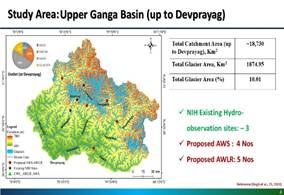
The EC sanctioned a ₹3.98 crore project on glacier retreat, snow cover changes, and melt-runoff in the Upper Ganga Basin, led by the National Institute of Hydrology, Roorkee. The study aims to assess long-term glacier behavior, climate-linked runoff shifts, and risks such as flash floods and GLOFs.
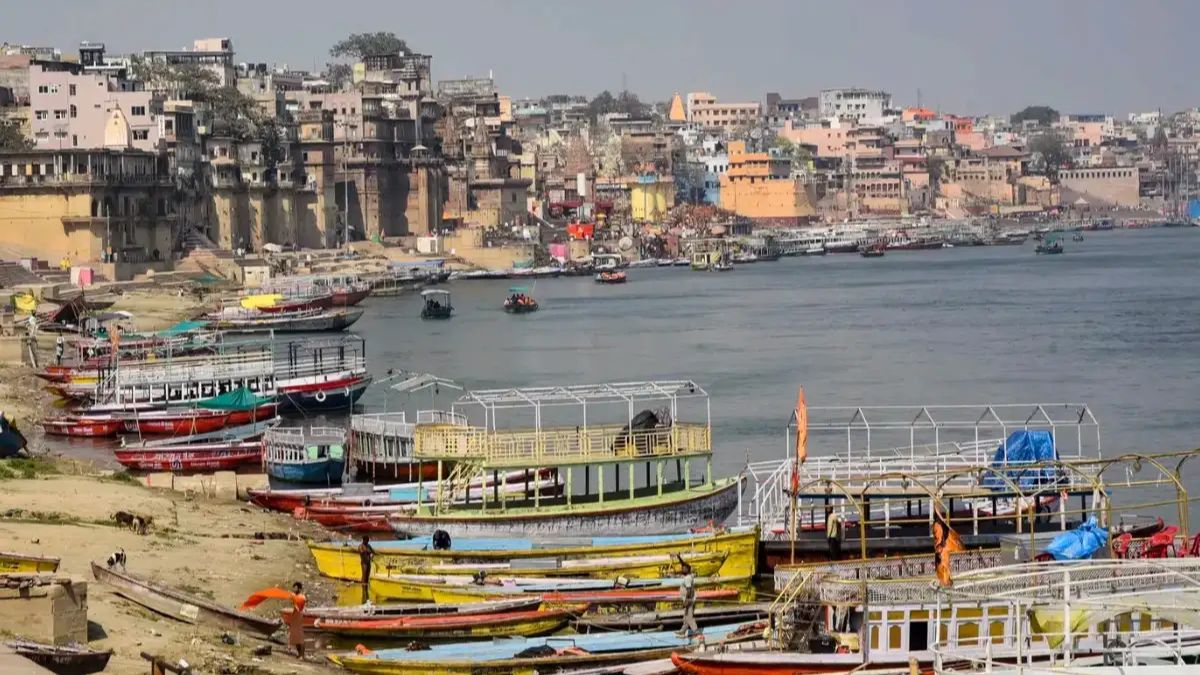
Additionally, a SONAR-based bathymetric survey covering 1,100 km of the Ganga will create a high-resolution baseline critical for sediment management, environmental flow assessment, and restoration planning.
Youth Engagement for River Conservation
To strengthen public outreach, the EC approved the ‘Youth for Ganga, Youth for Yamuna’ initiative, costing ₹39.37 lakh. The programme will:
-
Sensitize over 2.5 lakh students
-
Engage at least 200 schools in Delhi-NCR
-
Form River Youth Clubs
-
Encourage responsible water usage and river stewardship
Appraised by IIPA, the initiative will be completed within six months.
Through these sweeping approvals, the EC has paved the way for more accurate water management, robust monitoring, and scientifically guided strategies essential for the rejuvenation of the Ganga and Yamuna rivers.






















No Comments: