Piyush Goyal Chairs High‑Level Review to Accelerate PLI Scheme Implementation
PLI Scheme Transforms Manufacturing: Rs. 1.76 Lakh Crore Invested, Export and Job Growth Accelerate Under Goyal’s Vision

 The Impressive Times
TIT Correspondent
info@impressivetimes.com
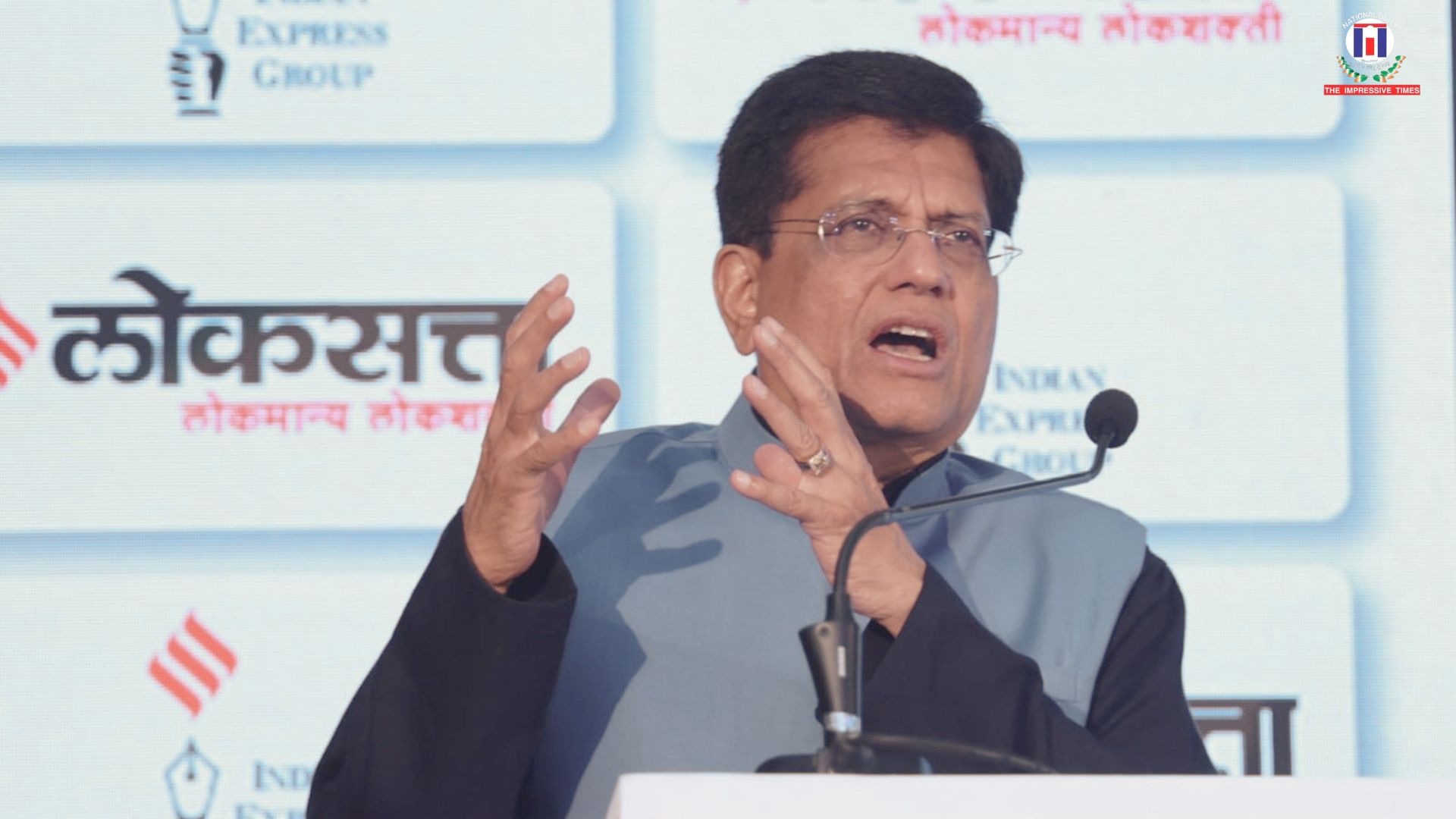
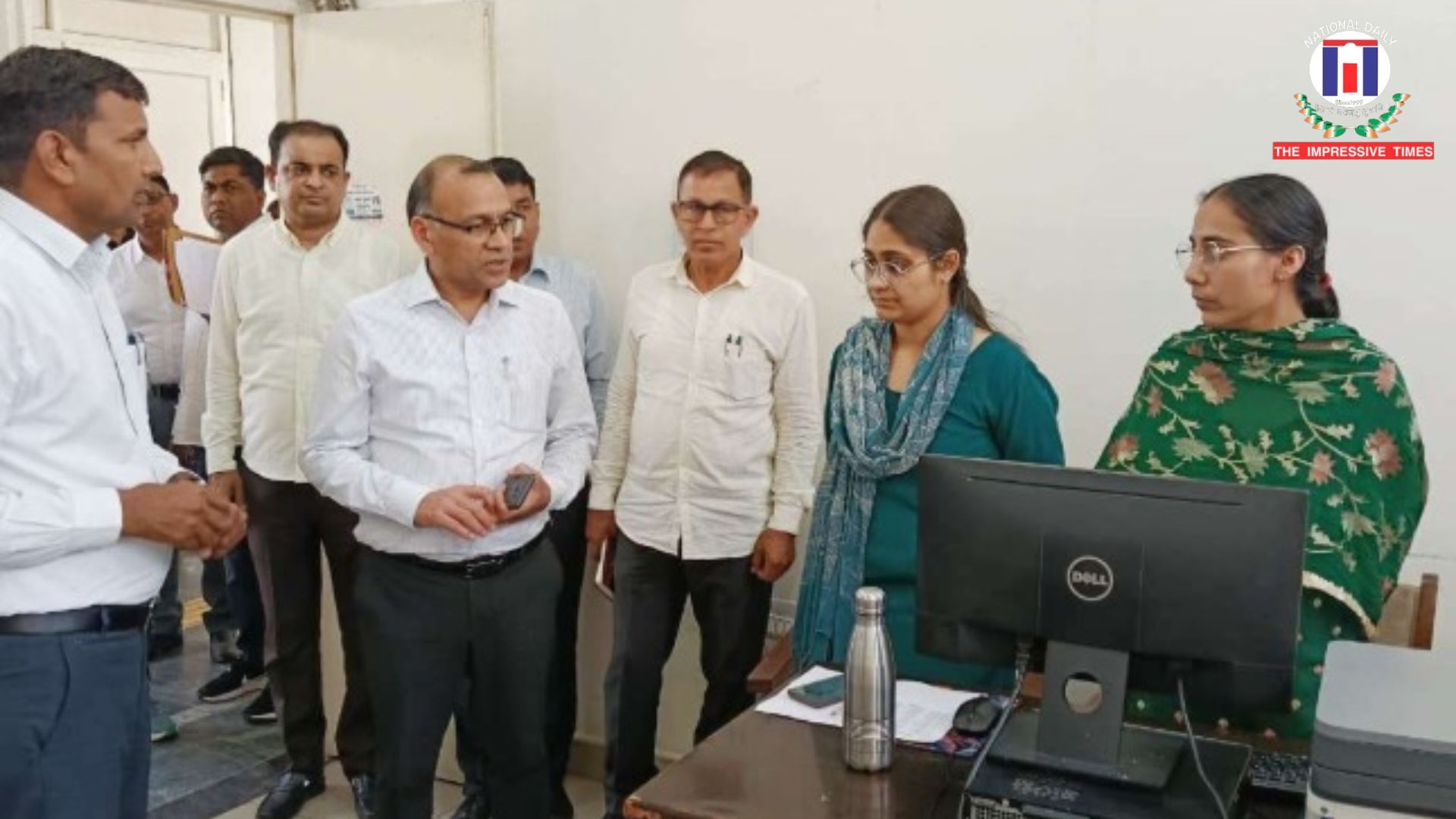
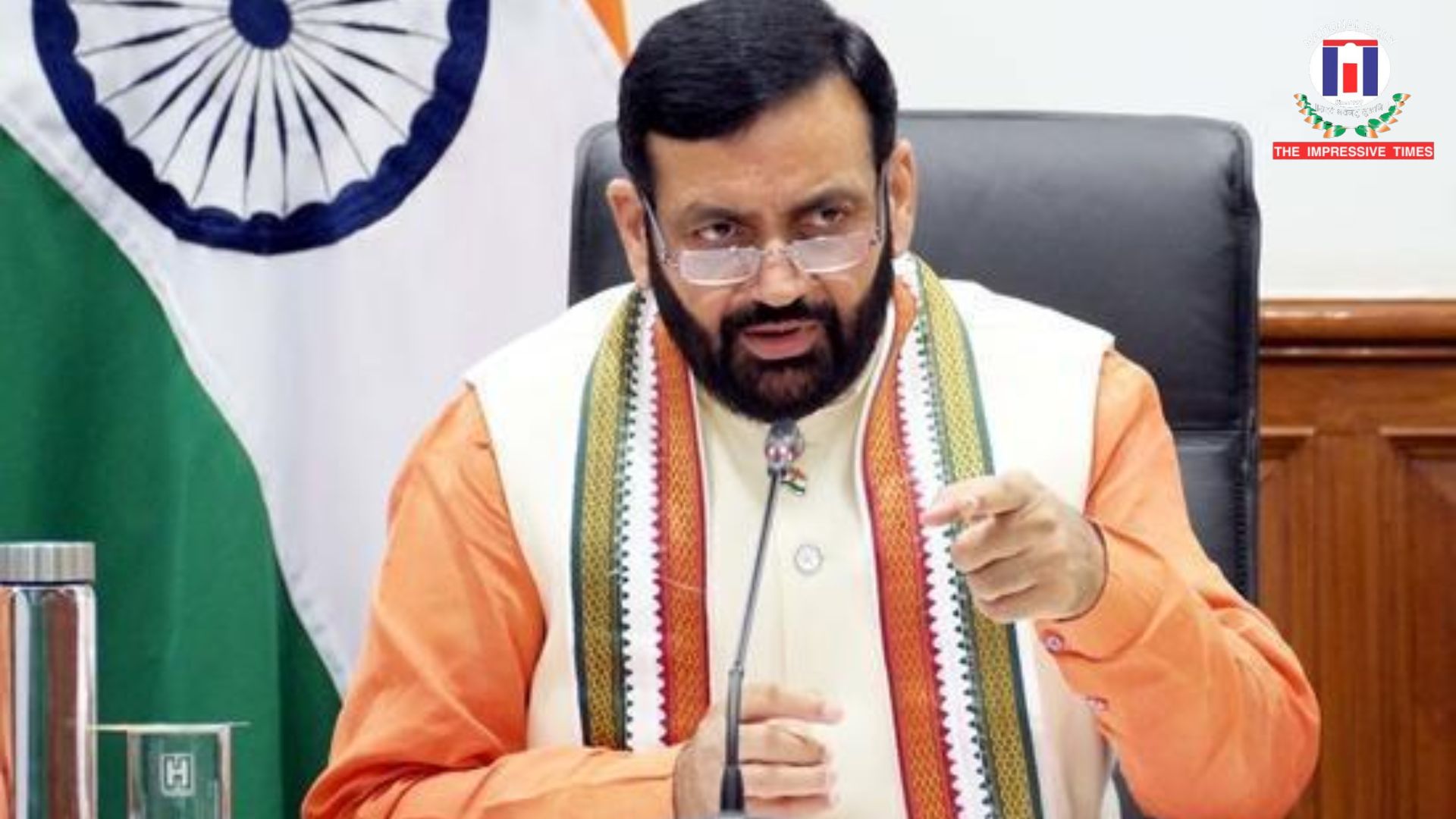
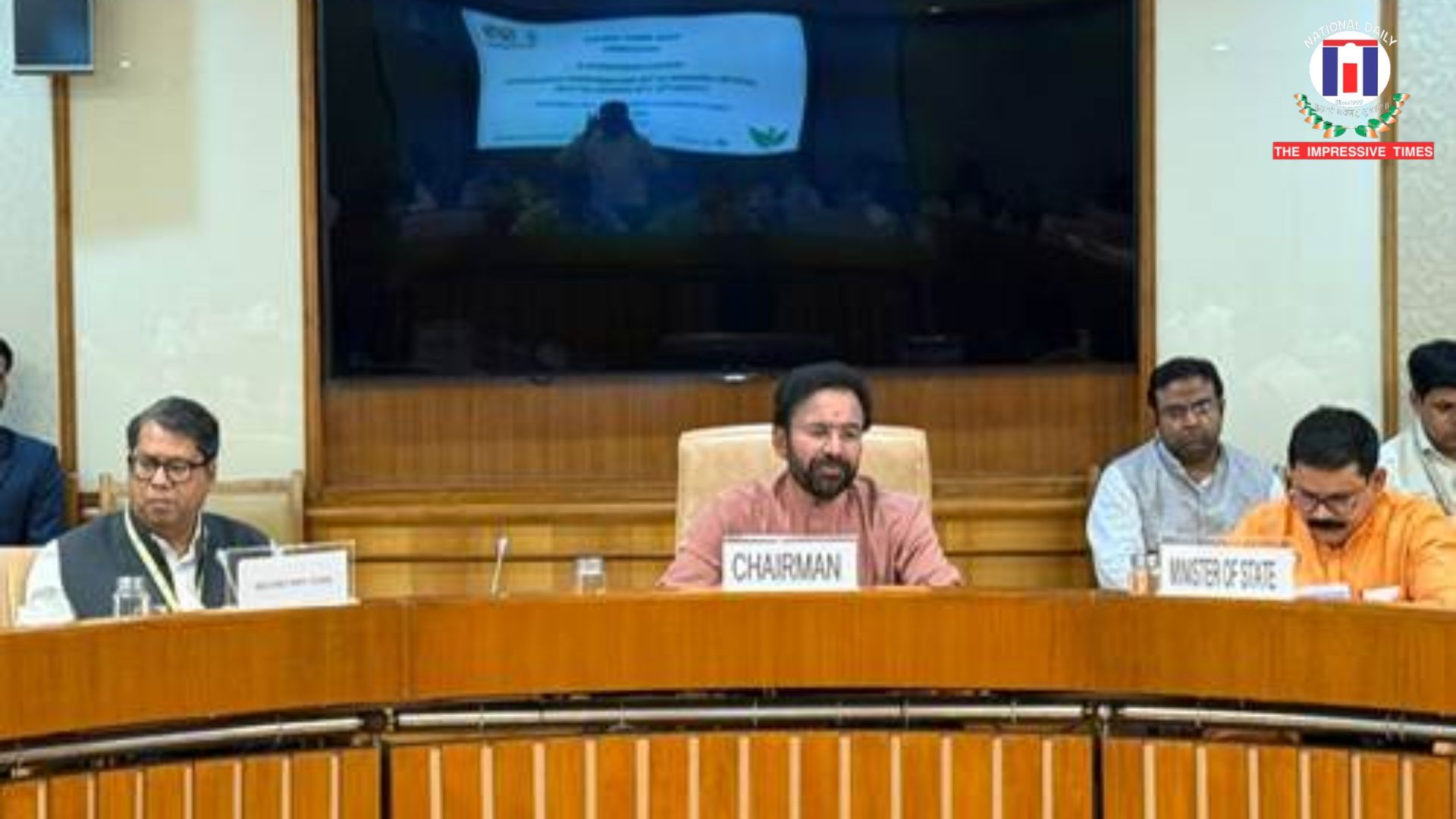
NEW DELHI, 25 JUNE: Union Minister of Commerce and Industry, Piyush Goyal, emphasized the need for India to focus on sectors where it has a competitive edge and to address the issues faced by stakeholders for sustained growth in exports. Speaking at a review meeting of the Production Linked Incentive (PLI) Scheme, one of the flagship initiatives making India ‘Aatmanirbhar’ in manufacturing, Shri Goyal said the focus must be on creating quality skilled manpower, resolving infrastructure bottlenecks with the help of NICDC, and preparing a roadmap for the next five years for investments and disbursements.
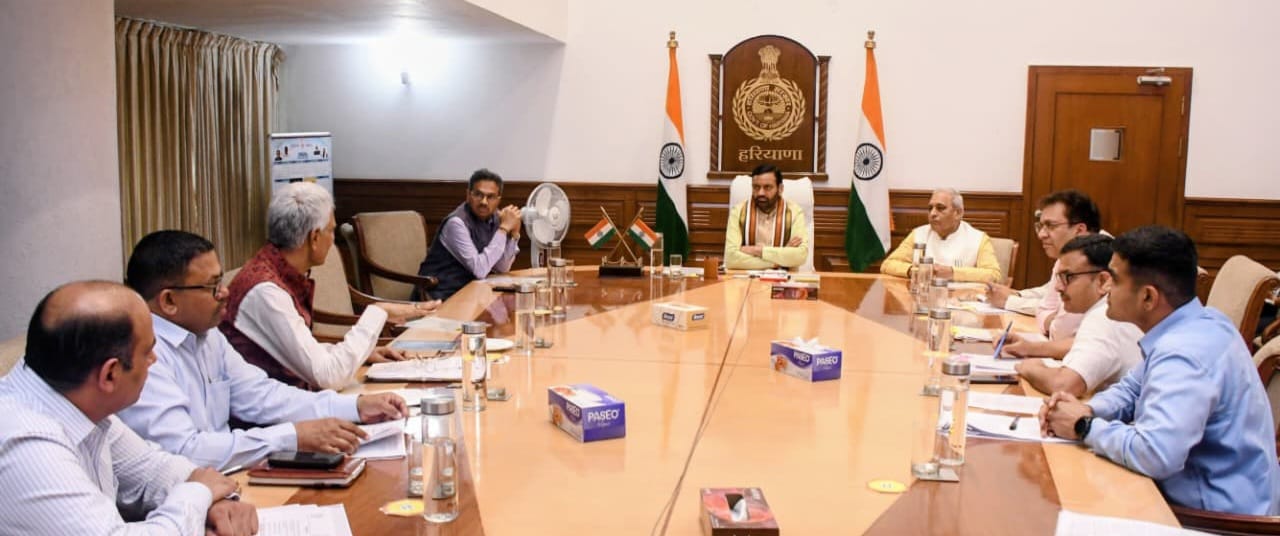
The review was attended by senior officials from various Ministries. Under the PLI scheme, implemented across 14 key sectors, investments worth Rs. 1.76 lakh crore have been made, generating production and sales of Rs. 16.5 lakh crore, and creating over 12 lakhs direct and indirect jobs by March 2025. Cumulative incentives worth Rs. 21,534 crore have been disbursed across 12 sectors, including electronics, IT hardware, bulk drugs, medical devices, pharmaceuticals, telecom, food processing, automobiles, white goods, specialty steel, textiles, and drones.
The PLI scheme has delivered significant benefits across sectors. In the pharmaceutical industry, sales worth Rs. 2.66 lakh crore have been achieved, with Rs. 1.70 lakh crore in exports over three years. Export sales in FY 2024‑25 alone accounted for approximately 27% of the country’s total pharmaceutical exports. The scheme has strengthened R&D, with Rs. 15,102 crore invested by approved companies, achieving 83.7% domestic value addition by March 2025.
Bulk Drugs have also witnessed a turnaround, making India a net exporter (Rs. 2,280 crore) from a net importer (Rs. -1,930 crore) in FY 2021‑22, and bridging the gap between manufacturing capacity and demand for critical drugs.
The Food Products sector has attracted Rs. 9,032 crore in investments, yielding Rs. 3,80,350 crore in sales and creating 3,40,116 direct and indirect jobs. The focus on using domestically sourced raw materials has boosted rural incomes and strengthened supply chains. Notably, value‑added marine products have seen sales rise at a CAGR of 22%. The PLI Millet scheme has increased sales 25‑fold in FY 2025 compared to the base year (FY 2021), and the procurement of millets rose from 4,081 MT (FY 2022‑23) to 16,130 MT (FY 2024‑25), supporting rural households.
In textiles, exports of Man‑Made Fibre products have increased to US$ 6 billion in FY 2024‑25 from US$ 5.7 billion in FY 2023‑24, while technical textiles rose to US$ 3,356.5 million from US$ 2,986.6 million, underscoring the significant impact of the PLI scheme across industries.






























No Comments: