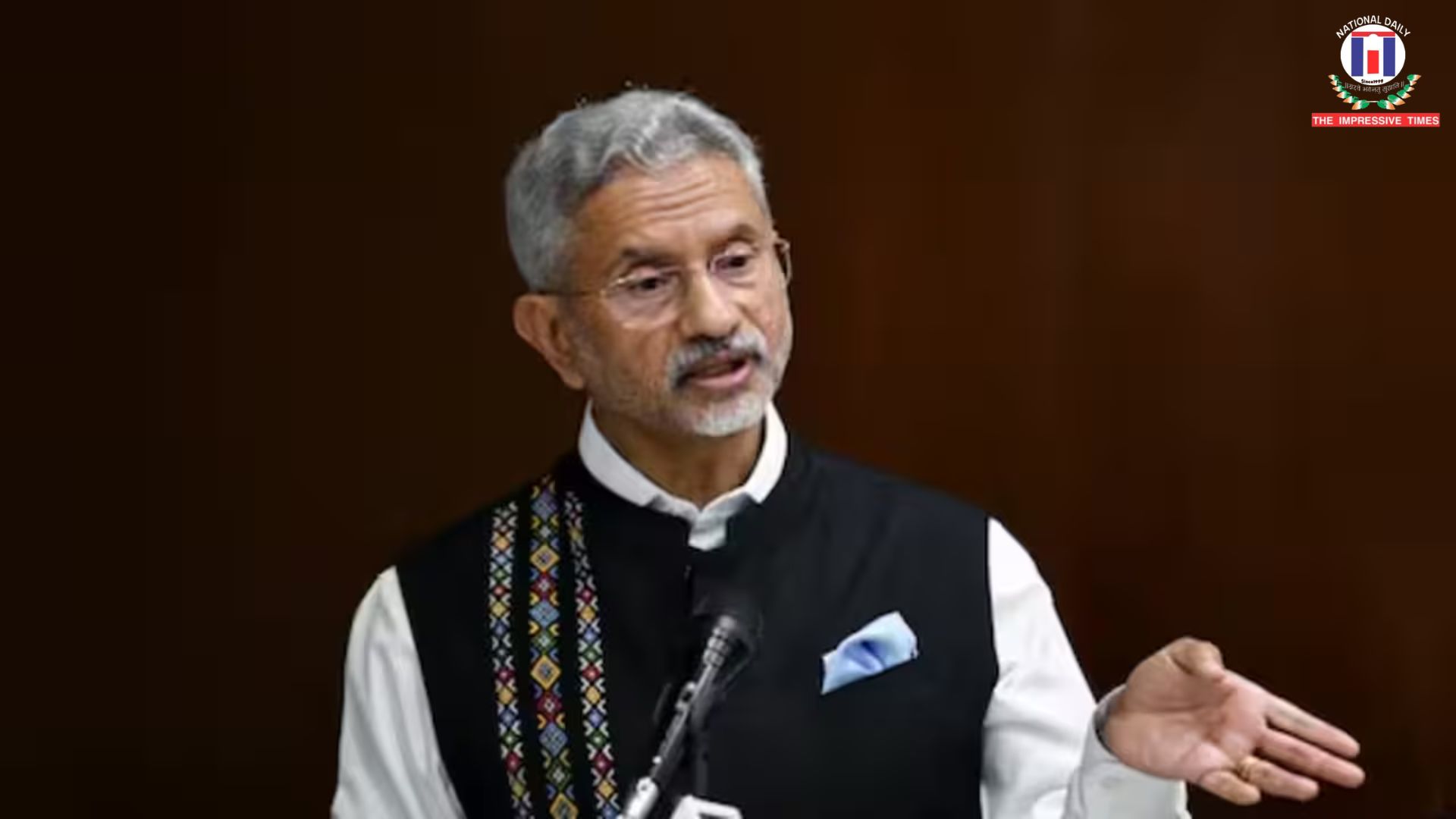
New Delhi, March 9: The second phase of Parliament’s Budget Session resumed on Monday amid sharp political exchanges and concerns over escalating tensions in West Asia. During proceedings in the Rajya Sabha, External Affairs Minister S. Jaishankar informed members that the government is actively working to assist Indian citizens stranded in the conflict-hit region.
Addressing the House, Jaishankar stated that the government is closely monitoring the evolving situation and remains committed to ensuring the safety of Indian nationals. He reiterated that India supports peace and continues to advocate dialogue, diplomacy, restraint, and de-escalation while emphasizing the need to protect civilians caught in the conflict.
The minister also confirmed that two Indian mariners had lost their lives during the ongoing hostilities, expressing condolences and assuring that authorities are in contact with affected families.
The statement came amid rising tensions following military strikes carried out by the United States and Israel on Iran late last month, which triggered retaliatory attacks by Tehran on American military installations and Israeli-linked assets across West Asia.
Meanwhile, political tensions were also visible inside Parliament. Opposition leaders staged protests and demanded a detailed discussion on the West Asia situation. Leader of the Opposition Rahul Gandhi and several other MPs questioned the government’s stance and called for a debate that would allow members to raise queries on India’s diplomatic position.
Congress president Mallikarjun Kharge criticised the government’s approach, arguing that a unilateral statement would not be sufficient to address concerns surrounding the geopolitical developments.
Earlier in the day, the Lok Sabha was adjourned briefly amid disruptions. The second leg of the Budget Session is scheduled to continue until April 2 and is expected to focus on key legislative work, including the passage of the Finance Bill, 2026 and discussions on demands for grants for several ministries.
Another major political development during the session is a no-confidence motion submitted by opposition parties against Lok Sabha Speaker Om Birla. Around 118 opposition MPs have reportedly backed the proposal, accusing the Speaker of favouring the ruling alliance and restricting opposition voices during previous debates.
However, the motion is unlikely to succeed as the ruling National Democratic Alliance led by Prime Minister Narendra Modi holds a majority in the Lok Sabha.
The debate could also face procedural complexities because the Lok Sabha currently does not have a Deputy Speaker. Under parliamentary rules, the Deputy Speaker would normally preside over discussions on a motion against the Speaker. In the present situation, a member from the panel of chairpersons may oversee the proceedings.
Apart from the West Asia crisis, several other issues are expected to dominate the session. Opposition parties are likely to raise questions about the interim India-US trade arrangement, recent increases in LPG prices, and the revision of electoral rolls in West Bengal ahead of upcoming elections.
As the session progresses, both domestic political controversies and international developments are expected to shape the tone of debates inside Parliament.

 The Impressive Times





No Comments: