Iran Questions US Talks as Ceasefire Strains Deepen Amid Ongoing Israel Strikes
Tehran cites violations of truce terms ahead of planned Islamabad negotiations; divisions widen over Lebanon’s role

 The Impressive Times
Fresh tensions have emerged in the fragile truce involving Iran, the United States, and Israel, with Tehran signalling reluctance to engage in further talks, accusing Washington of failing to honour key conditions.
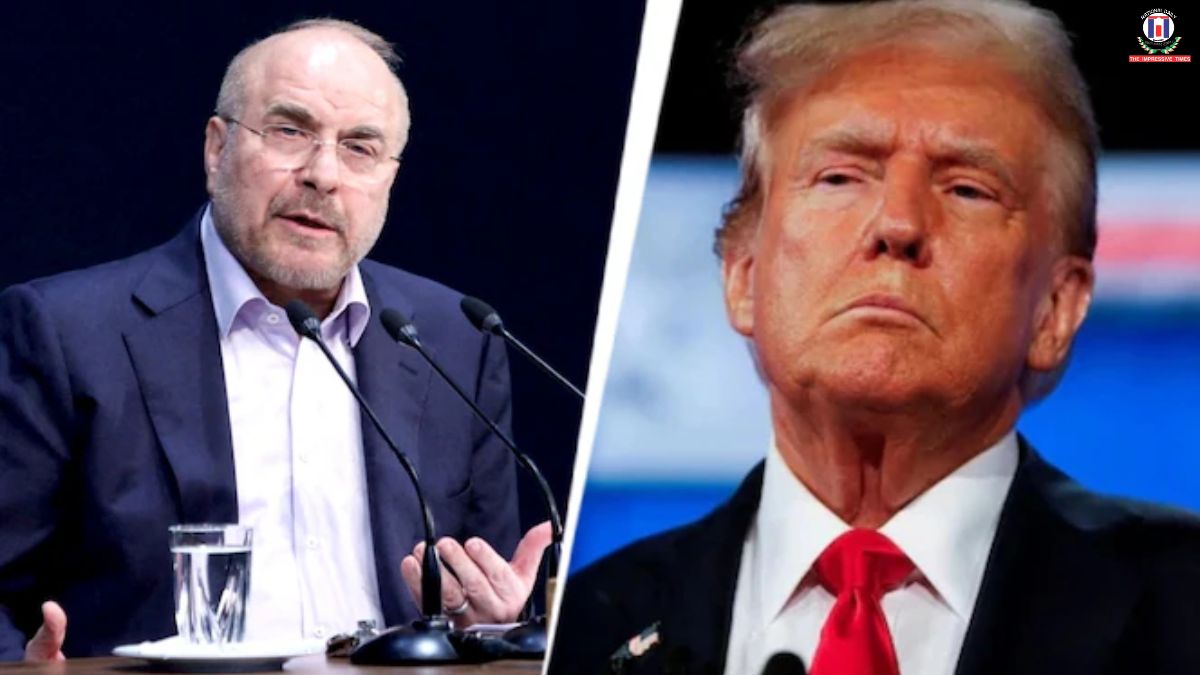
Iran’s Parliament Speaker Mohammad Bagher Ghalibaf said negotiations with the United States appear unjustified under current circumstances, alleging that several agreed terms had been violated shortly after the ceasefire came into effect.
He pointed to continued Israeli military operations in Lebanon, claims of an aerial intrusion into Iranian territory following the truce, and Washington’s stance against Iran’s uranium enrichment programme as major sticking points.
The comments come at a time when the ceasefire remains uncertain, with both sides offering conflicting interpretations of its scope and conditions.
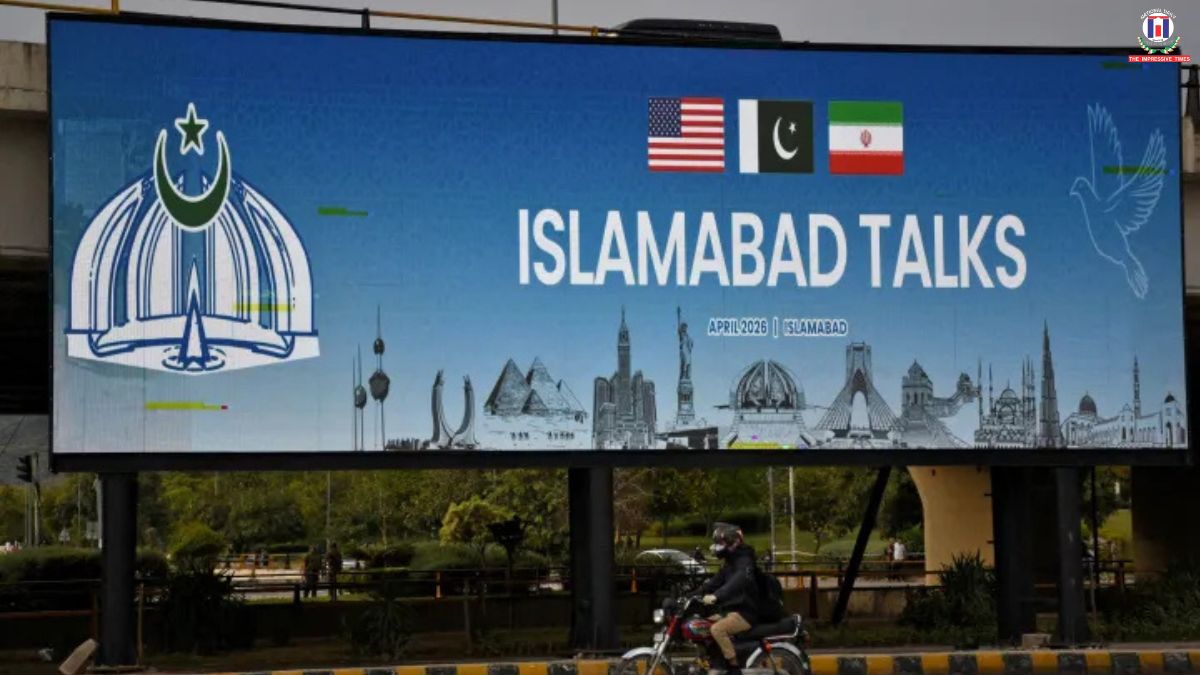
Diplomatic efforts are still scheduled to move forward, with talks expected to take place in Islamabad. According to US officials, Vice President JD Vance will head the American delegation, while Iranian representatives are likely to include Foreign Minister Abbas Araghchi alongside senior leadership figures.
Iran has insisted that the ceasefire must extend beyond its own borders, particularly covering hostilities in Lebanon. However, this interpretation has been firmly rejected by both Washington and Israel.
US President Donald Trump clarified that Israel’s operations against Hezbollah are not included in the truce framework, describing them as a separate matter. The White House reiterated this stance, emphasizing that Lebanon is not part of the current ceasefire arrangement.
Echoing that position, Israeli Prime Minister Benjamin Netanyahu indicated that military actions would continue where deemed necessary. He stated that Israel has already made significant strategic gains and warned that further action remains an option.
As both sides hold firm on their positions, the upcoming talks face considerable challenges. The disagreement over the scope of the ceasefire and broader regional dynamics highlights the difficulty of converting the current pause in hostilities into a lasting resolution.









































No Comments: