Government Releases Draft Electricity Amendment Bill 2025 to Reform Power Sector
Subsidies for specified consumer categories including tribal households may continue to be transparently funded by the State Government under Section 65, without compromising the financial sustainability of power sector.
New Delhi, January 29: The Central Government has unveiled the draft Electricity (Amendment) Bill, 2025, proposing wide-ranging reforms aimed at strengthening India’s power sector, improving financial discipline, enhancing competition, and accelerating the transition toward clean energy.
The proposed amendments are designed to support long-term sector sustainability while aligning with the national vision of building a developed India by 2047.
A key objective of the draft legislation is to improve the financial condition of electricity distribution companies (discoms). The Bill proposes cost-reflective tariffs and authorizes regulatory commissions to determine tariffs on their own initiative, ensuring they come into effect from April 1 each year. This is intended to reduce delays and prevent revenue gaps.
The government has acknowledged that high electricity tariffs for industry, cross-subsidies, and rising procurement costs have affected manufacturing competitiveness. The proposed reforms aim to rationalize tariffs, lower system inefficiencies, and make electricity pricing more supportive of economic growth and global competitiveness.
To help achieve the national target of 500 GW of non-fossil fuel capacity by 2030, the draft Bill proposes empowering the Central Electricity Regulatory Commission (CERC) to introduce market-based mechanisms that can attract investment into renewable energy.
It also suggests legally enforceable obligations related to non-fossil energy use, aligning the Electricity Act with provisions of the Energy Conservation framework.
The amendments include steps aimed at improving service quality and consumer convenience. These include:
-
Introduction of uniform national standards of service
-
Limiting assessments for unauthorized electricity use to a maximum of one year
-
Reducing the financial burden on consumers when filing appeals by lowering pre-deposit requirements
These measures are intended to support both household consumers and businesses.
The Bill proposes measures to enhance the accountability and efficiency of electricity regulators. Governments may be allowed to refer complaints against members of the Central and State Electricity Regulatory Commissions, with broader grounds for removal.
A 120-day timeline is suggested for regulatory adjudications, and the capacity of the Appellate Tribunal for Electricity (APTEL) may be expanded to help clear pending cases faster.
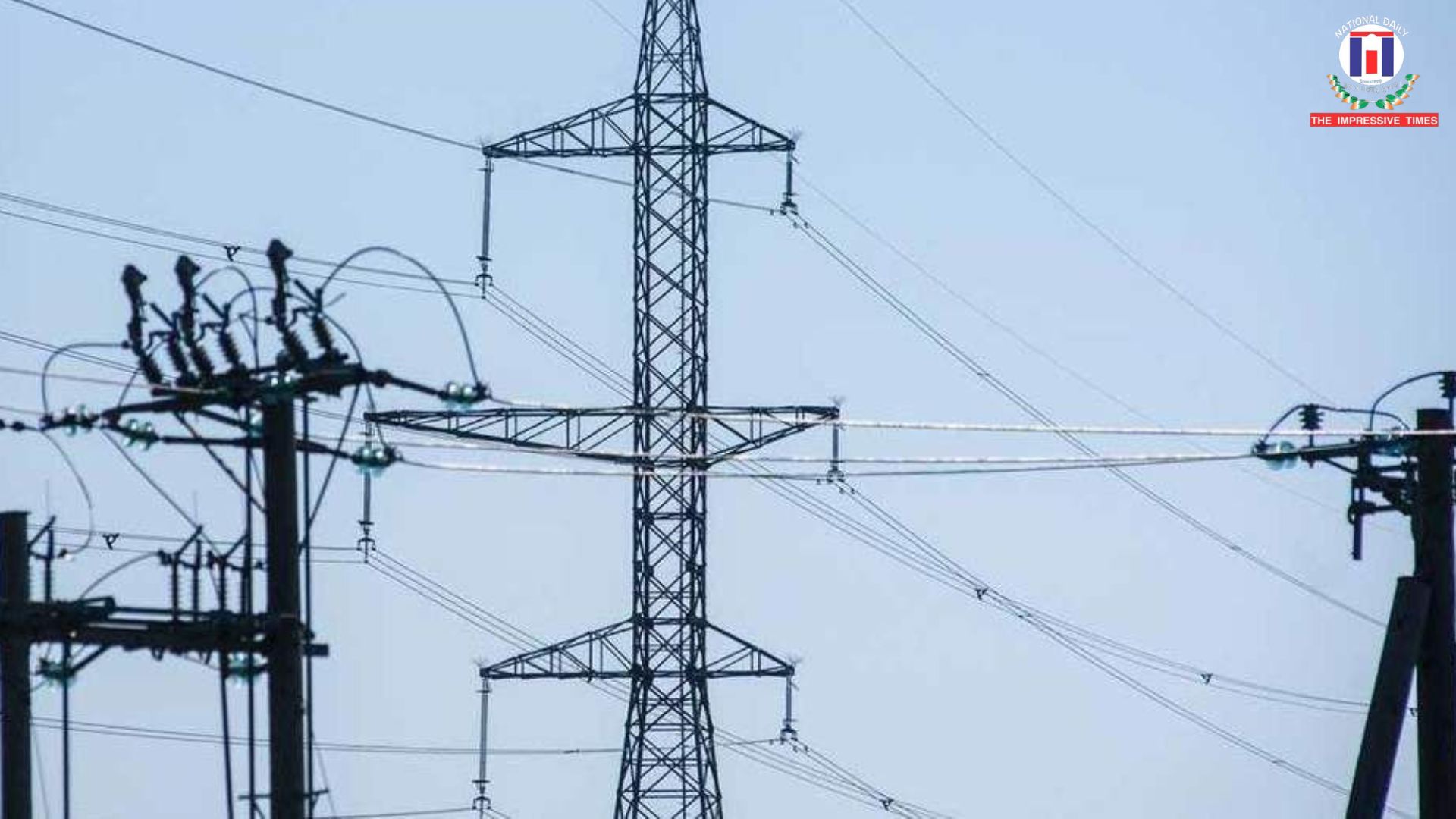
The draft also proposes transferring powers related to the installation and maintenance of power lines—earlier governed under the Telegraph Act, 1885—into the Electricity Act framework. States would define compensation mechanisms where required.
To reduce duplication of infrastructure and lower costs, distribution companies may be permitted to supply power using shared distribution networks, subject to regulatory oversight and payment of network charges.
Once enacted, the amendments would apply uniformly across all states and Union Territories, including Maharashtra.
The government has clarified that subsidies for specific consumer groups, such as tribal households, can continue under existing legal provisions, provided they are transparently funded by state governments and do not weaken the financial stability of the power sector.
Public comments on the draft Bill were invited in October 2025, and the proposal is currently under consultation with a wide range of stakeholders.
The information was shared in the Lok Sabha by Minister of State for Power Shripad Naik in a written reply.



































No Comments: