
 The Impressive Times
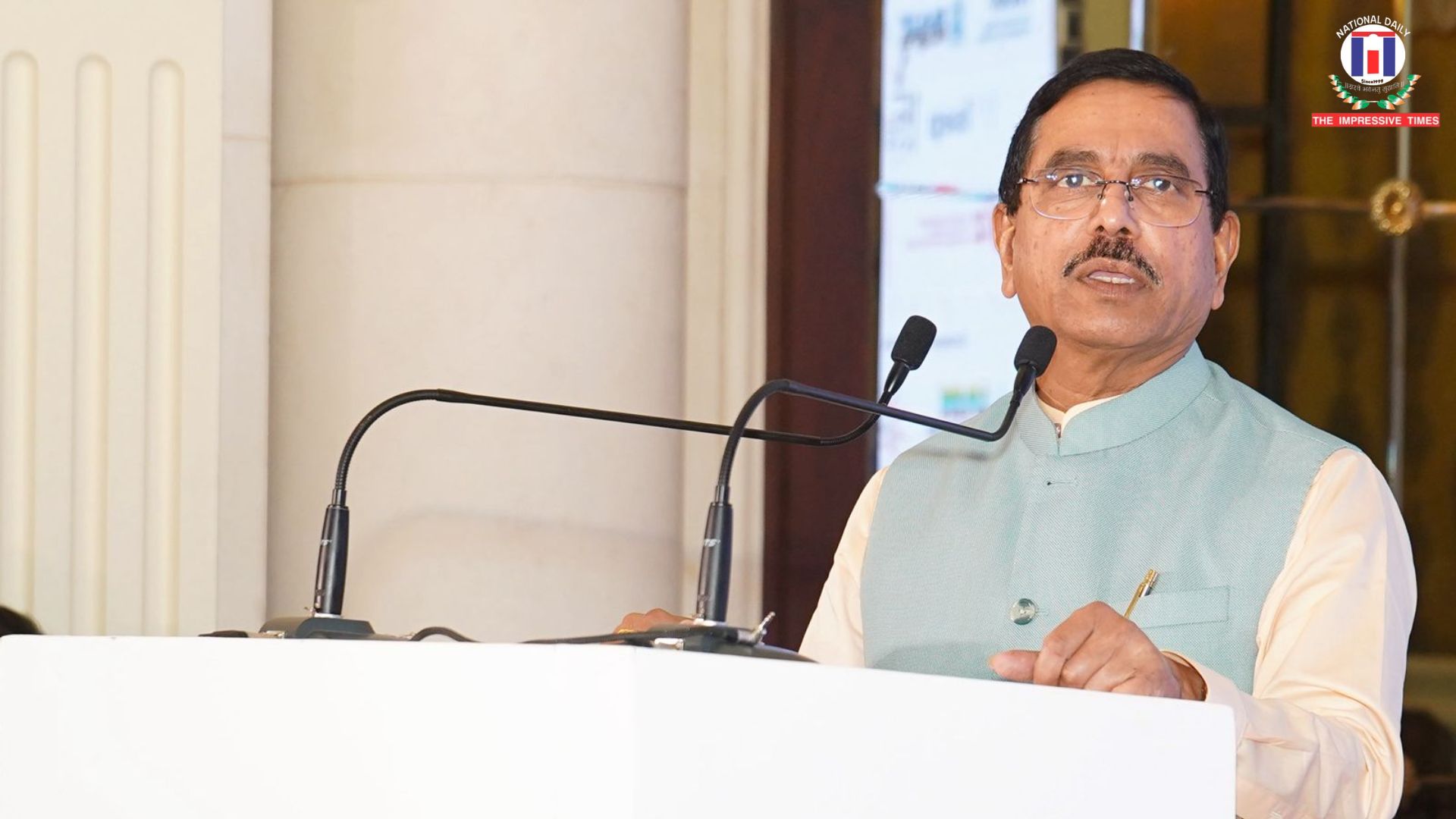
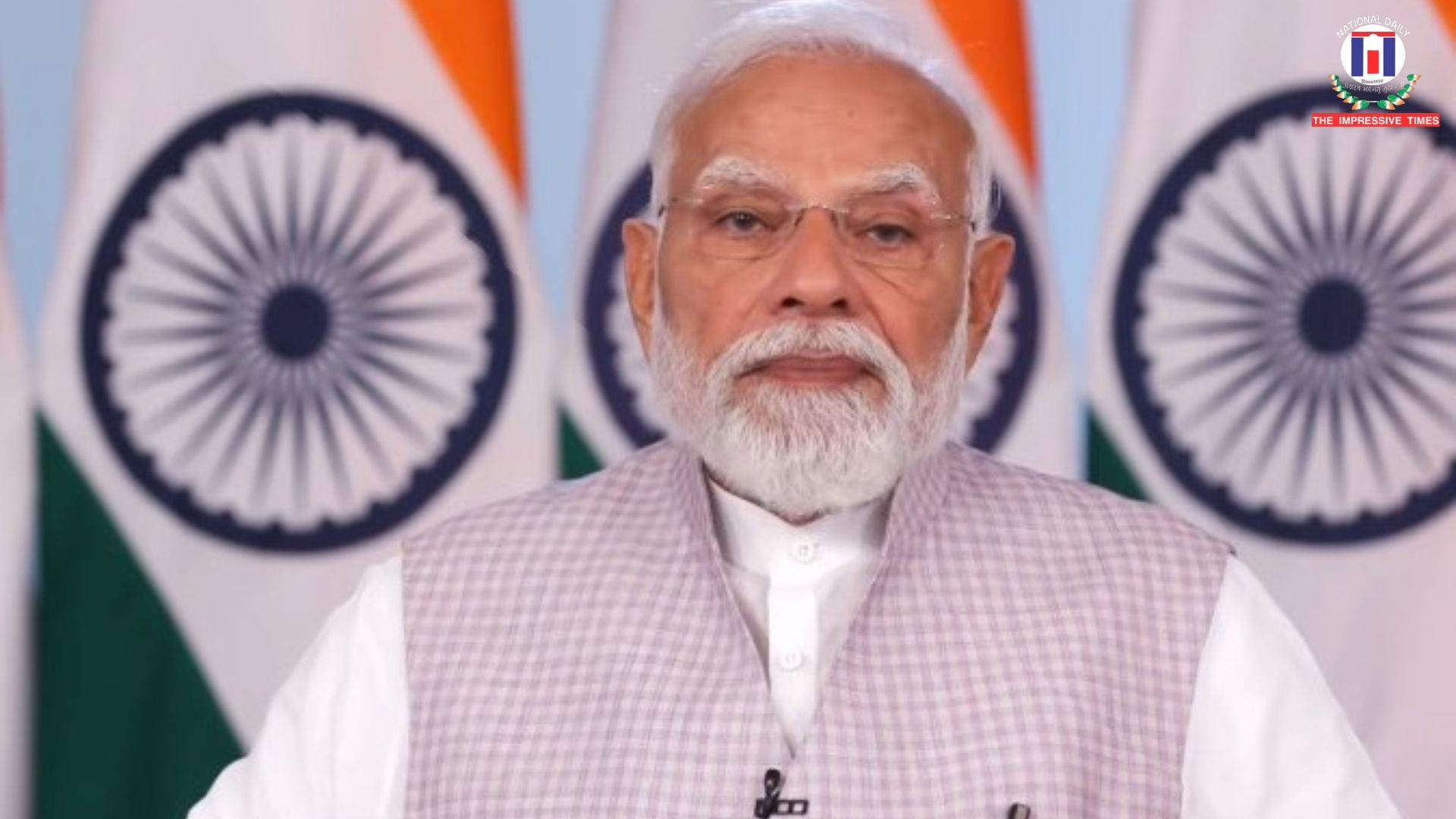
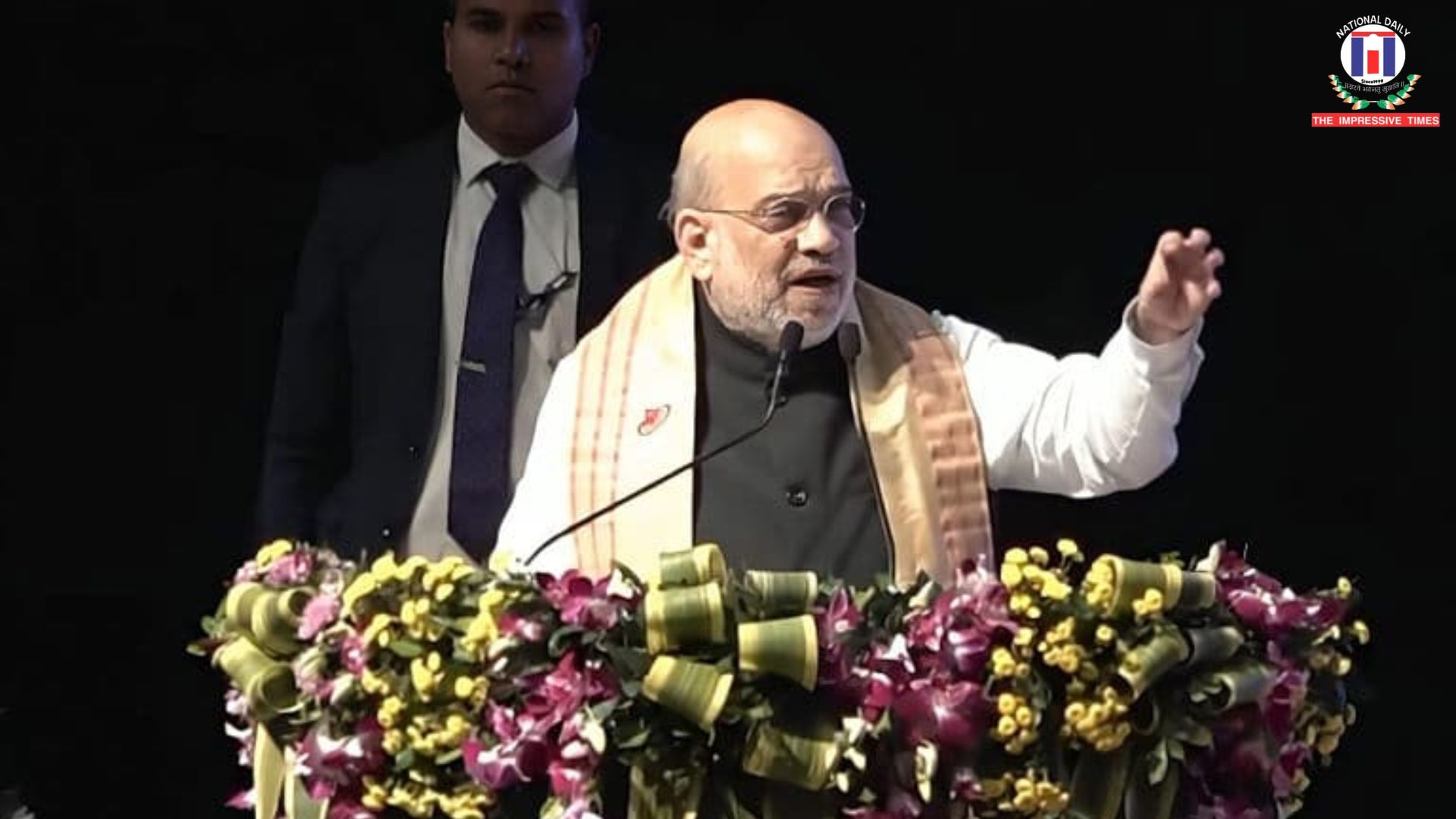
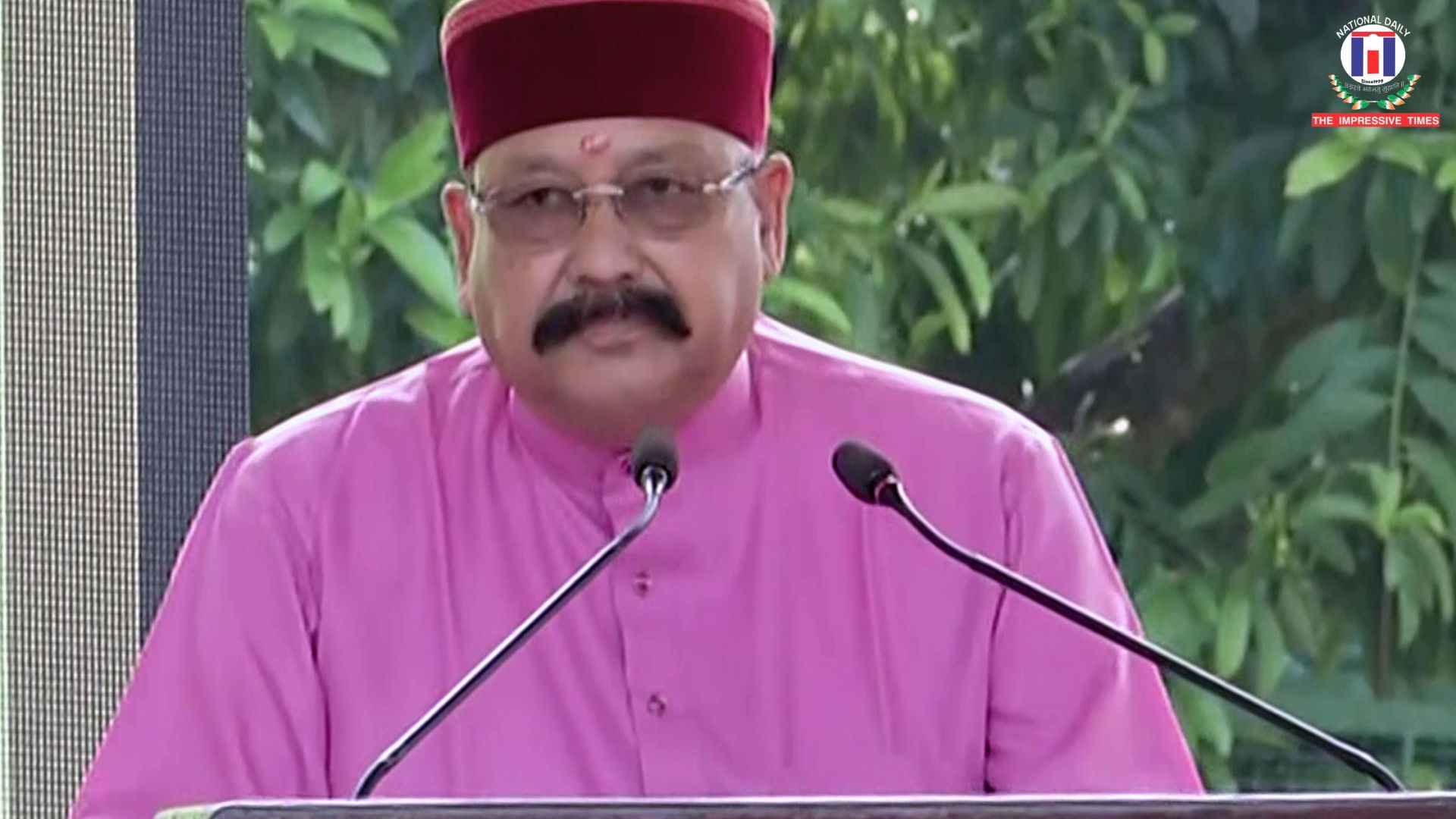
New Delhi : Union Minister of New & Renewable Energy Pralhad Joshi today highlighted the growing role of renewable energy in strengthening India’s rural economy and enhancing farmers’ incomes while addressing the 4th National Agro-RE Summit in New Delhi.
Addressing the gathering, Shri Joshi said renewable energy is increasingly reaching India’s farms and households, helping farmers access reliable power while reducing irrigation costs and improving farm productivity. “ A farmer irrigating his field today may be doing so using solar power, and a household that once worried about electricity bills may now be producing its own electricity through rooftop solar. This is not just an energy transition, it is also a transformation of the rural economy,” the Minister said.
Joshi emphasised that renewable energy technologies are playing an increasingly important role in agriculture, particularly through solar irrigation pumps, which enable farmers to reduce dependence on diesel and access reliable daytime irrigation. Diesel irrigation can cost nearly ₹6,790 per acre for wheat and over ₹8,000 per acre for crops such as cotton. Solar pumps can help farmers save between ₹5,000 and ₹6,500 per acre annually, while also reducing emissions.
Under the PM-KUSUM scheme, more than 10 lakh standalone solar agricultural pumps have been installed, and over 13 lakh grid-connected agricultural pumps have been solarised across the country. The Minister noted that these initiatives are enabling farmers to become “Urjadaata” (energy providers) in addition to being “Annadata” (food providers).
The Minister informed that the Government is preparing PM-KUSUM 2.0, which will include a dedicated 10 GW Agri-PV component to promote the co-location of solar panels with crops. This initiative will enable farmers to generate electricity while continuing agricultural activities on the same land, creating a new model for decentralised renewable energy generation in rural India.
XQCB.jpeg)
Highlighting the emerging potential of agrivoltaic systems, Joshi said that combining solar power generation with agricultural cultivation can significantly improve land productivity and provide farmers with an additional source of income. Estimates indicate that India’s agrivoltaic potential could range from 3,000 GW to nearly 14,000 GW, reflecting the scale of opportunity in integrating renewable energy with agriculture.
Studies indicate that agrivoltaic systems can significantly enhance farmers’ earnings, with annual incomes in some cases increasing from about ₹60,000 per acre to more than ₹1 lakh per acre when electricity generation income is combined with crop cultivation.
THMB.jpeg)
Joshi also highlighted the progress of the PM Surya Ghar: Muft Bijli Yojana. More than 31 lakh households have already benefited from rooftop solar installations under the scheme, enabling families to generate their own electricity and reduce electricity bills, he said.
Highlighting India’s renewable energy progress, the Minister noted that the country’s non-fossil fuel capacity has increased from about 81 GW in 2014 to nearly 275 GW today, with more than half of India’s installed electricity capacity now coming from non-fossil sources.Solar capacity expanded from about 2.8 GW in 2014 to nearly 143 GW, wind capacity increased from around 21 GW to about 55 GW, and biopower capacity rose from 8.1 GW to about 12 GW, reflecting the rapid scale-up of renewable energy deployment in the country.
The Minister emphasised that India’s target of 500 GW non-fossil fuel capacity will be achieved through millions of decentralised renewable energy installations across farms, rooftops and rural enterprises.
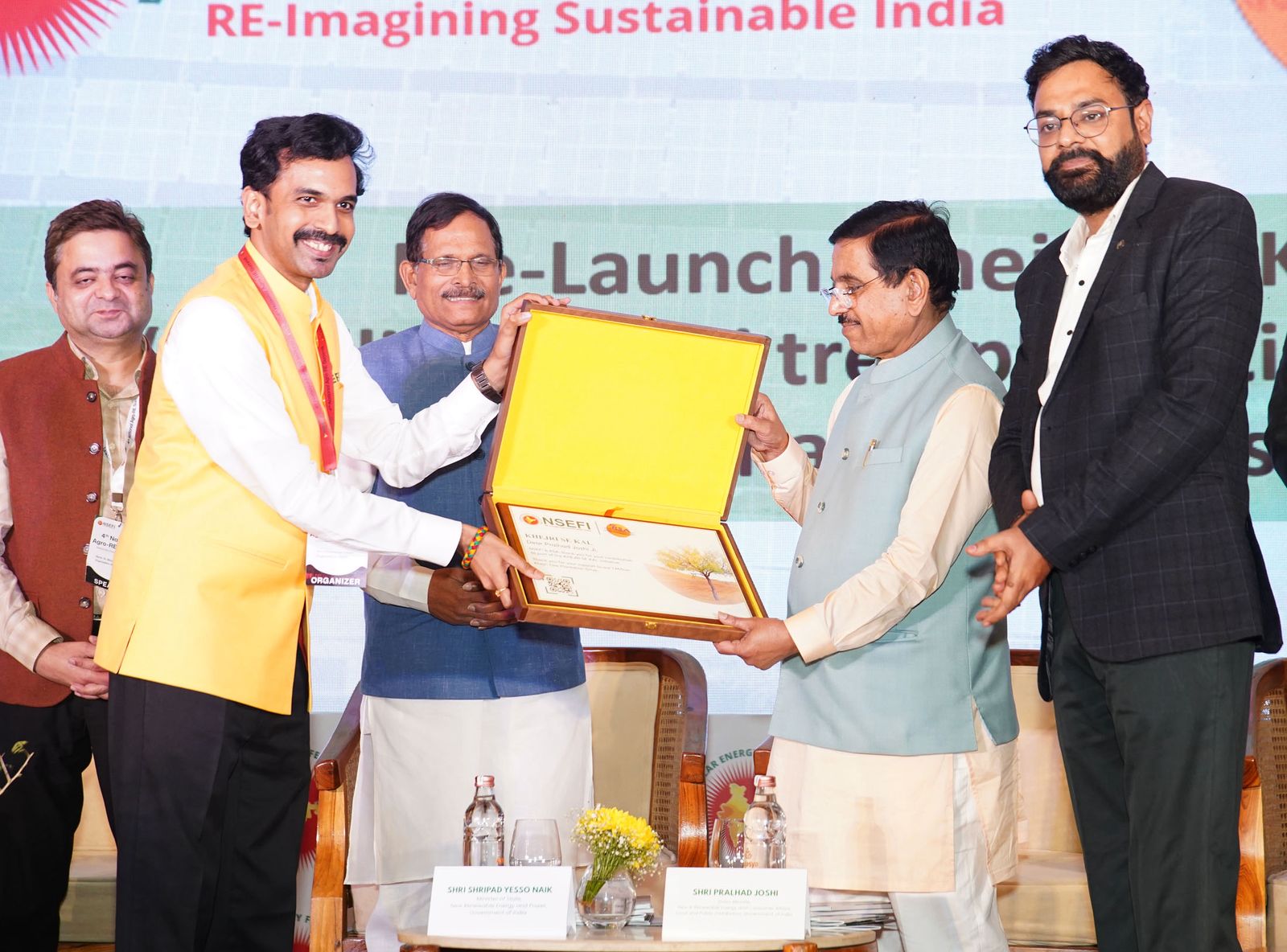
Addressing the event, Union Minister of State for Power and New & Renewable Energy Shripad Yesso Naik highlighted the emerging potential of agrivoltaics as a transformative solution for India’s energy transition. He noted that agrivoltaic systems enable the simultaneous generation of clean electricity and cultivation of crops on the same land, significantly improving land-use efficiency while addressing the challenge of competing land demands for renewable energy expansion.
Emphasising the importance of collaboration, Naik called for stronger partnerships among government, industry, research institutions and financial organisations to scale up agrivoltaic deployment and develop innovative, affordable solutions that make such technologies accessible to farmers across the country.
About 4th National Agro-RE Summit in New Delhi
The Summit, organised by the National Solar Energy Federation of India (NSEFI) in collaboration with the India Agrivoltaics Alliance, brought together policymakers, industry leaders, farmer representatives and renewable energy stakeholders to discuss the integration of renewable energy with agriculture.


































No Comments: