Delhi CM Rekha Gupta Flags Off Inter-State AC Bus Service After Nearly 18 Years; Launches Automated Fare Collection System (AFCS) & ‘Chalo App
"This is just the beginning; more inter-state routes will follow. Under CM Rekha Gupta’s leadership, we are reviving DTC, modernising depots into charging hubs, and ensuring that public transport becomes the backbone of a pollution-free Delhi.” — Delhi's Transport Minister Dr. Pankaj Kumar Singh.
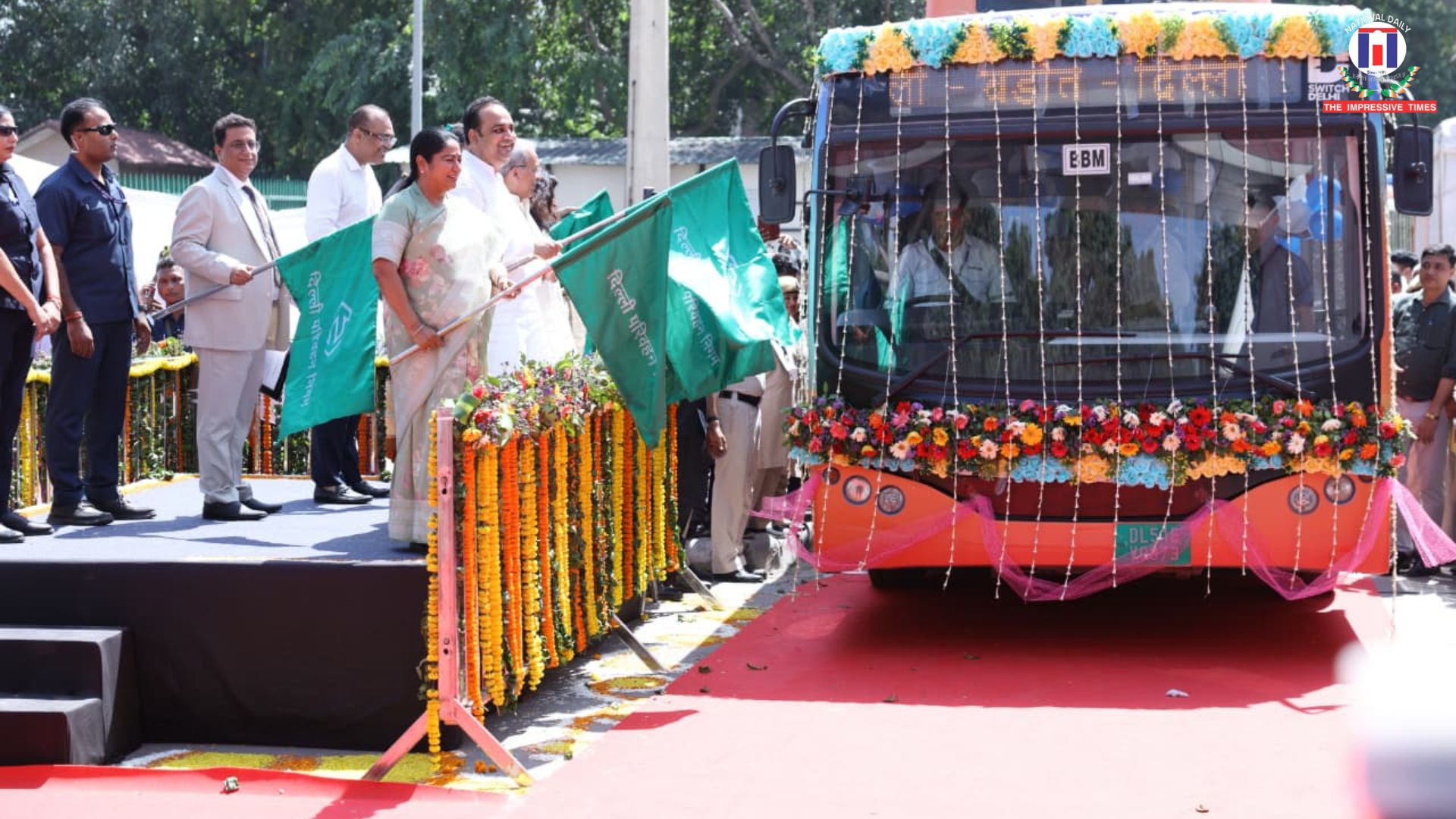
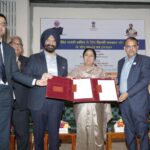
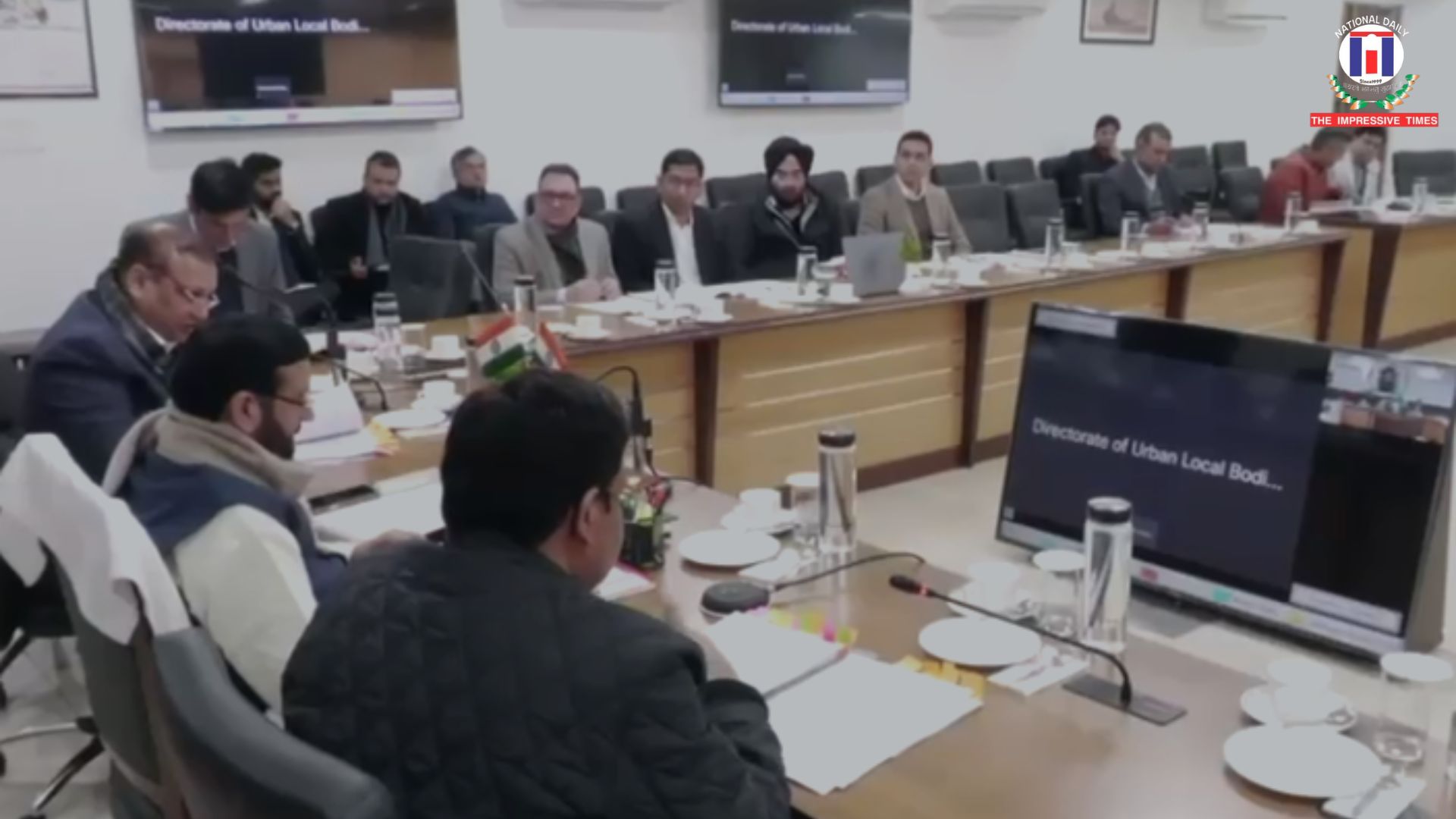
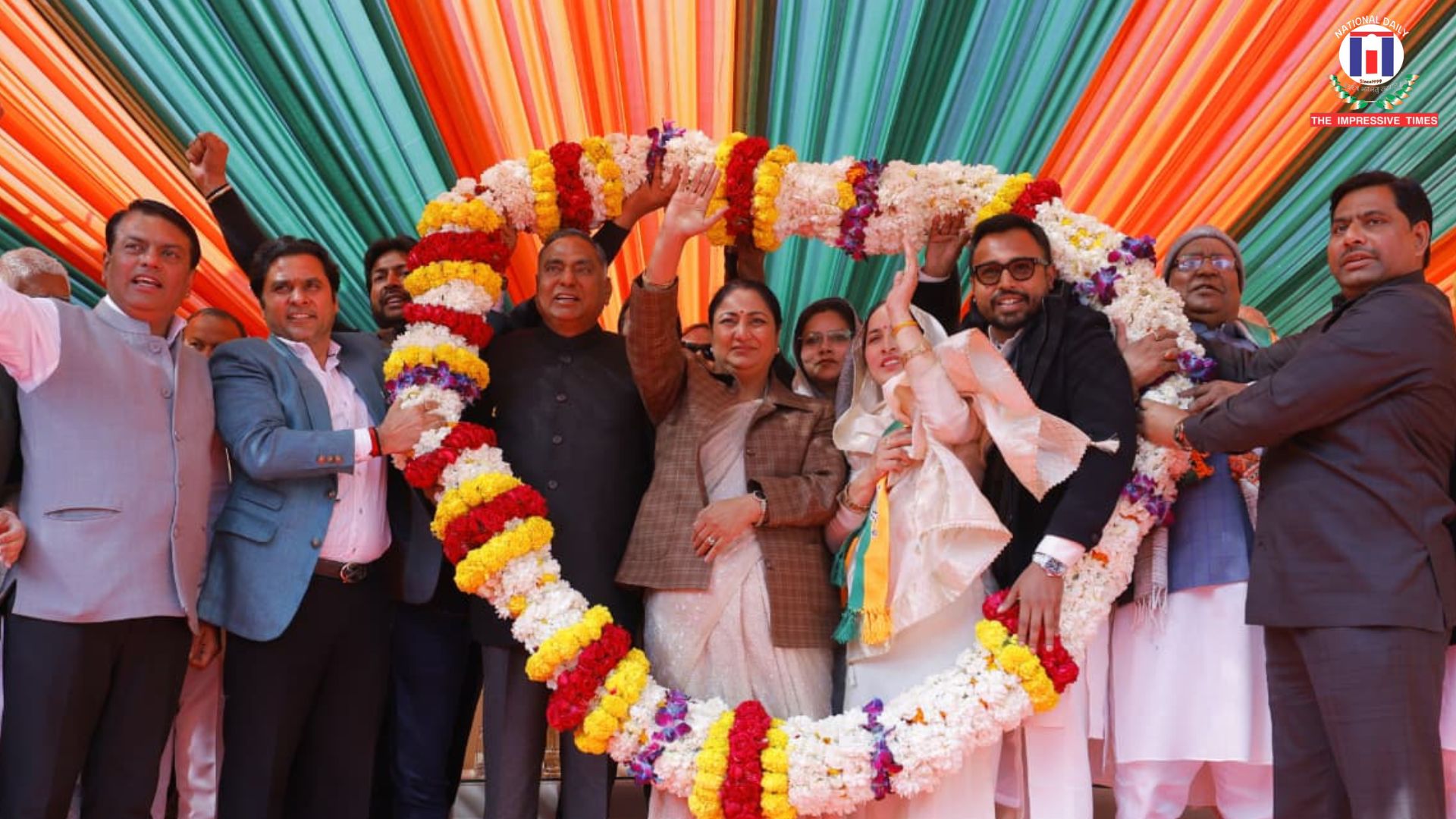
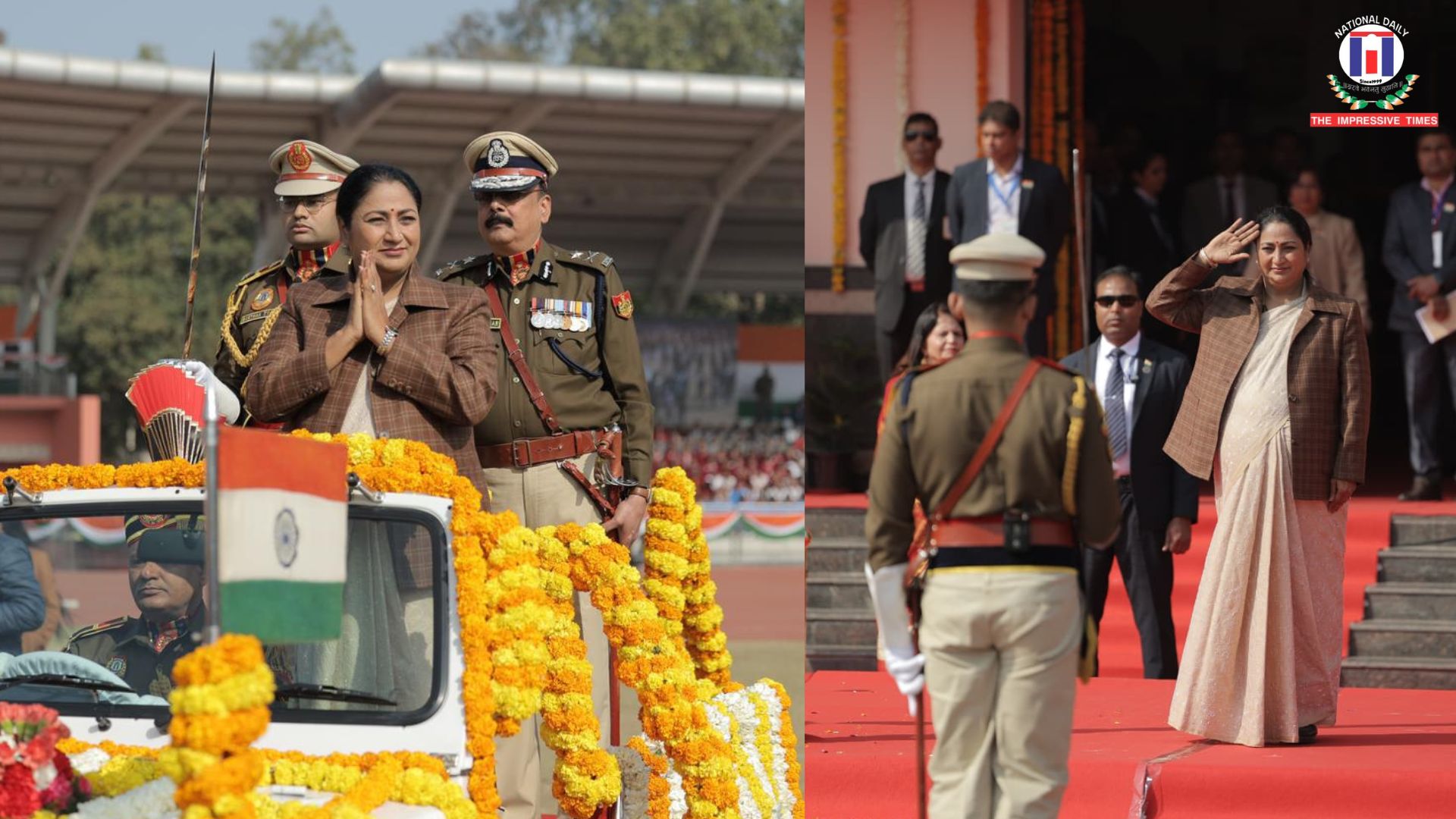
New Delhi, 23rd September 2025 – On the auspicious occasion of Navratri, Chief Minister of Delhi, Rekha Gupta flagged off the fully-electric Delhi–Baraut Inter-State AC Bus Service from Maharana Pratap ISBT and also inaugurated the Automated Fare System (AFCS), launched the ‘Chalo App’ on the ONDC (Open Network for Digital Commerce) platform, and The event was attended by Transport Minister, Dr. Pankaj Kumar Singh, Baghpat MP Dr. Rajkumar Sangwan, senior officials of the Transport Department, and Canara Bank. The occasion also marked the signing of an MoU between Canara Bank and DTC for rolling out AFCS across the bus network. During the event, Delhi Chief Minister also distributed POS machines among the conductors of the inter-state buses.
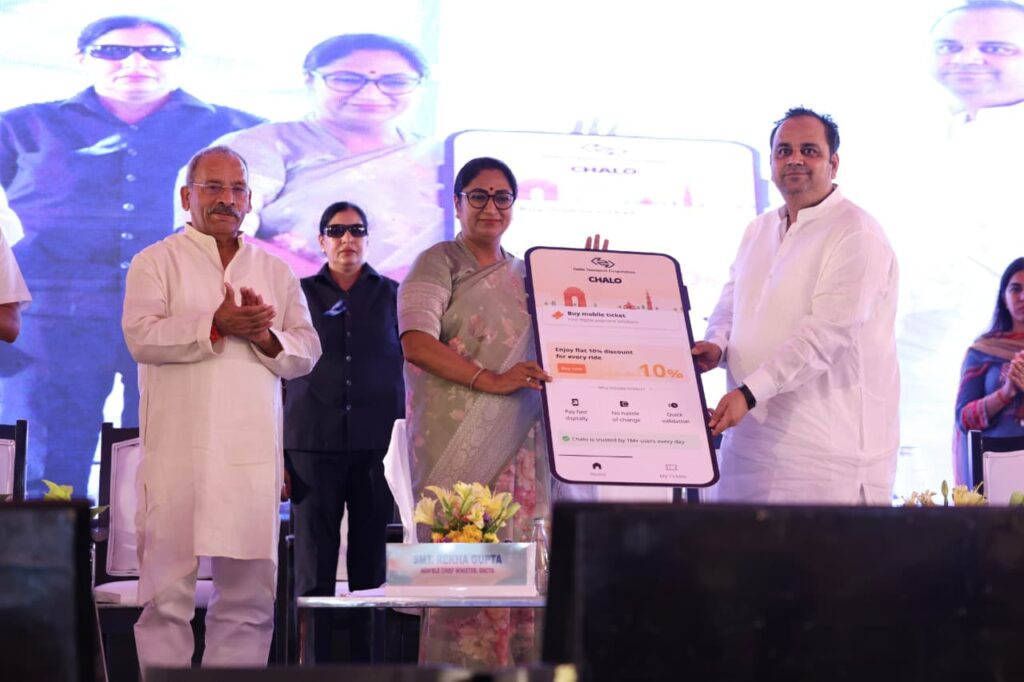
CM Rekha Gupta extended her greetings to citizens on the festive occasion of Navratri, calling it a time when “every new initiative itself becomes historic.” She highlighted the continuous efforts of the Delhi Government to provide daily benefits and modern facilities to Delhi residents. Expressing gratitude to senior officials of the Delhi Government, DTC family and Bank representatives, she praised the administration for their energy, creativity, and dedication, calling government officers the real “Hanumans” of Delhi’s development.
Speaking about the launch of the inter-state bus service, the CM recalled that Delhi had not run its own inter-state buses for nearly 18 years, while buses from other states operated within the city. “When private buses could run, why not the Delhi Government? Our citizens deserve these facilities,” she said, announcing that the Delhi–Baraut service is only the first step, and new inter-state routes will be introduced every month especially for the religious places.

Addressing past failures and outlining a revenue-positive future, CM Gupta questioned the closure of the inter-state service by previous governments, asking, “Why was such a revenue-generating sector for DTC shut down? She stated that the new systems are designed to eliminate inefficiencies and corruption. “This new machinery will bring transparency. The number of tickets sold will match the number of passengers. The entire revenue will go directly to DTC’s account—into no one’s pocket. When the government’s revenue increases, only then can we solve the people’s problems. Our goal is to make DTC revenue surplus by cutting these losses, which will benefit every citizen,” she added.

The CM also highlighted critical operational reforms. She announced a complete route rationalization to ensure bus connectivity reaches every corner of Delhi, addressing past issues where buses were unavailable on many routes. Furthermore, to tackle bus breakdowns efficiently, a new system has been established where mechanics from the nearest depot will be deployed, saving time and reducing traffic disruptions.
On infrastructure, CM Gupta affirmed the government’s vision to revitalize DTC, transform all bus depots into charging stations, and redevelop ISBTs into grand transit hubs, a process that has already begun.
The AFCS, developed in partnership with Canara Bank, replaces outdated manual ticketing with modern PoS/ETM machines supporting cash, UPI, debit/credit cards, static Universal QR codes, and National Common Mobility Cards (NCMC). Stickers with Universal QR codes have already been deployed across the fleet, enabling contactless payments. CM Gupta stressed that these machines will ensure transparency, prevent revenue leakages, and guarantee that every passenger’s fare directly contributes to DTC’s accounts. Initially, 3,000 machines are being installed free of cost in collaboration with Canara Bank.
The newly-launched fully-electric Delhi–Baraut inter-state buses operate on fixed schedules, ensuring reliable connectivity: Delhi to Baraut at 04:50, 05:20, 05:50, 17:00, 17:30, and 18:00 hrs; Baraut to Delhi at 07:00, 07:30, 08:00, 19:30, 20:00, and 20:30 hrs. Covering Maharana Pratap ISBT, Khajoori Khas, Bhajanpura, Loni Bus Station, Mandola, Khekra, Katha, Baghpat, Gori Pur, Saroor Pur, Tyodhi, and Baraut, the service strengthens regional connectivity, reduces reliance on private operators, and promotes eco-friendly mobility.
CM Gupta also addressed efforts to reduce pollution and ease life for commercial vehicle operators. “Previously, commercial vehicles had to go to neighbouring states for pollution checks. Our government has established Delhi’s first major automated pollution checking station in Nand Nagri, so our drivers no longer need to go through this hassle,” she stated. Agreements with private schools, starting with Sardar Patel School, to transition their fleets to electric buses were also highlighted.
Adding to existing digital ticketing platforms, the government integrated the “Chalo App” under ONDC, allowing passengers to book tickets digitally with a 10% discount to encourage adoption. CM Gupta noted that the app will simplify commuting, particularly for younger citizens, and align Delhi’s public transport system with global standards.
Concluding her speech, CM Gupta emphasized civic responsibility, urging citizens to maintain cleanliness and actively contribute to a “swachh, sundar, and harit” Delhi. “Our transport, cleanliness, and governance initiatives are intertwined,” she said, underlining that modern infrastructure and transparent systems benefit not only the government but also every resident of the city.
“Today marks a historic moment as we restart the inter-state bus service, which had been stalled for years. This initiative, taken under the decisive leadership of Chief Minister Rekha Gupta ji and inspired by the vision of the Prime Minister, is a major gift to the people of Delhi and the region. It is just the beginning, with plans to launch more inter-state routes in the future,” said Transport Minister Dr. Pankaj Kumar Singh.
He further said the Rekha Gupta-led Delhi Government is committed to a larger mission: to revitalize the DTC, restoring its past dignity, and to modernize the entire transport system. “As a first step, we have introduced automated ticketing machines to eliminate inconveniences like the need for exact change. Our ultimate goal is to build a transport network that is clean, safe, modern, and truly serves the people of Delhi,” he added.

















No Comments: