Amit Shah Stresses Employment, Security, & Saturation of Schemes in Border Villages under Vibrant Villages Programme
Three Pillars of the Programme: Migration, Saturation, and Security


 The Impressive Times
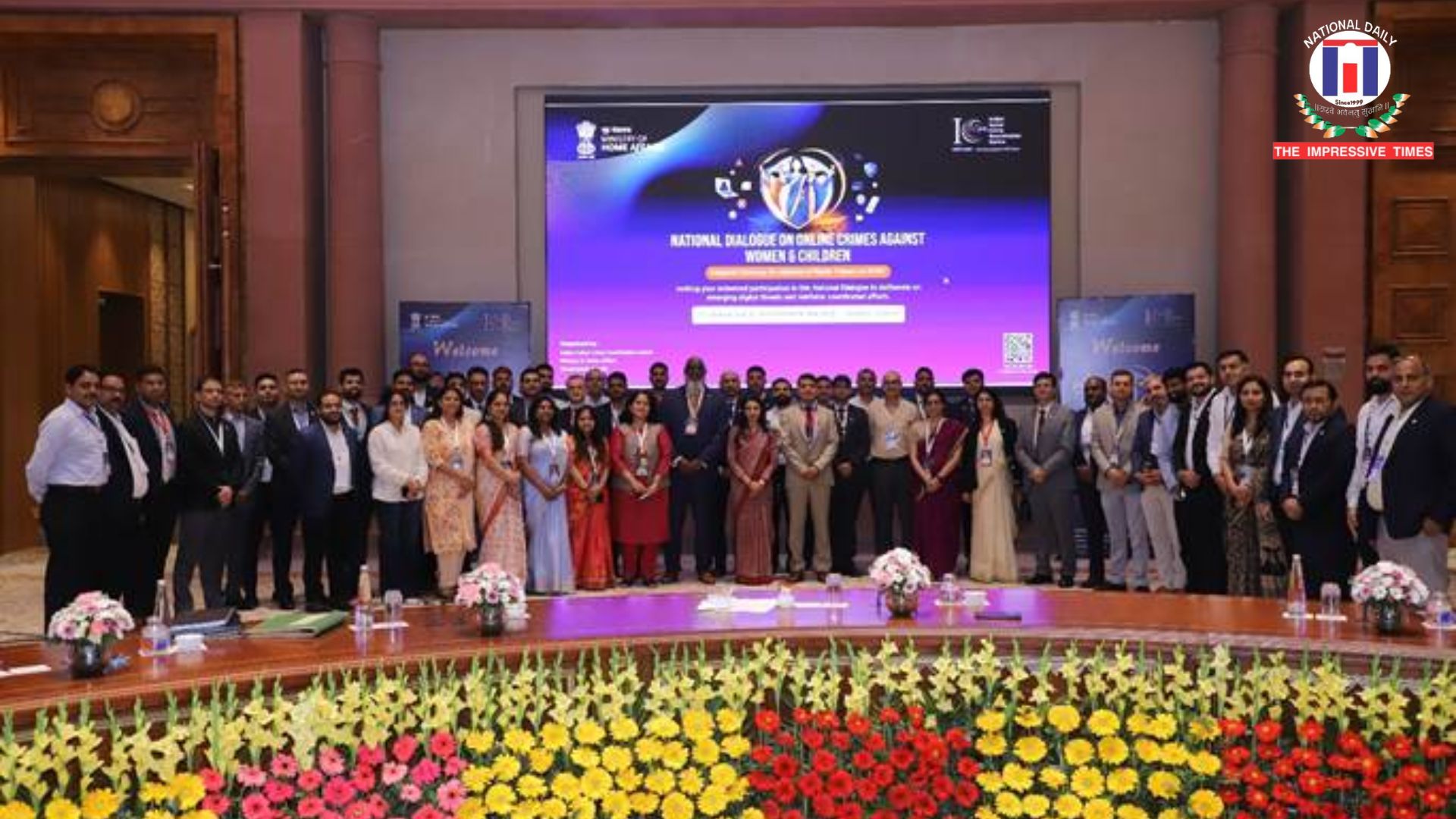
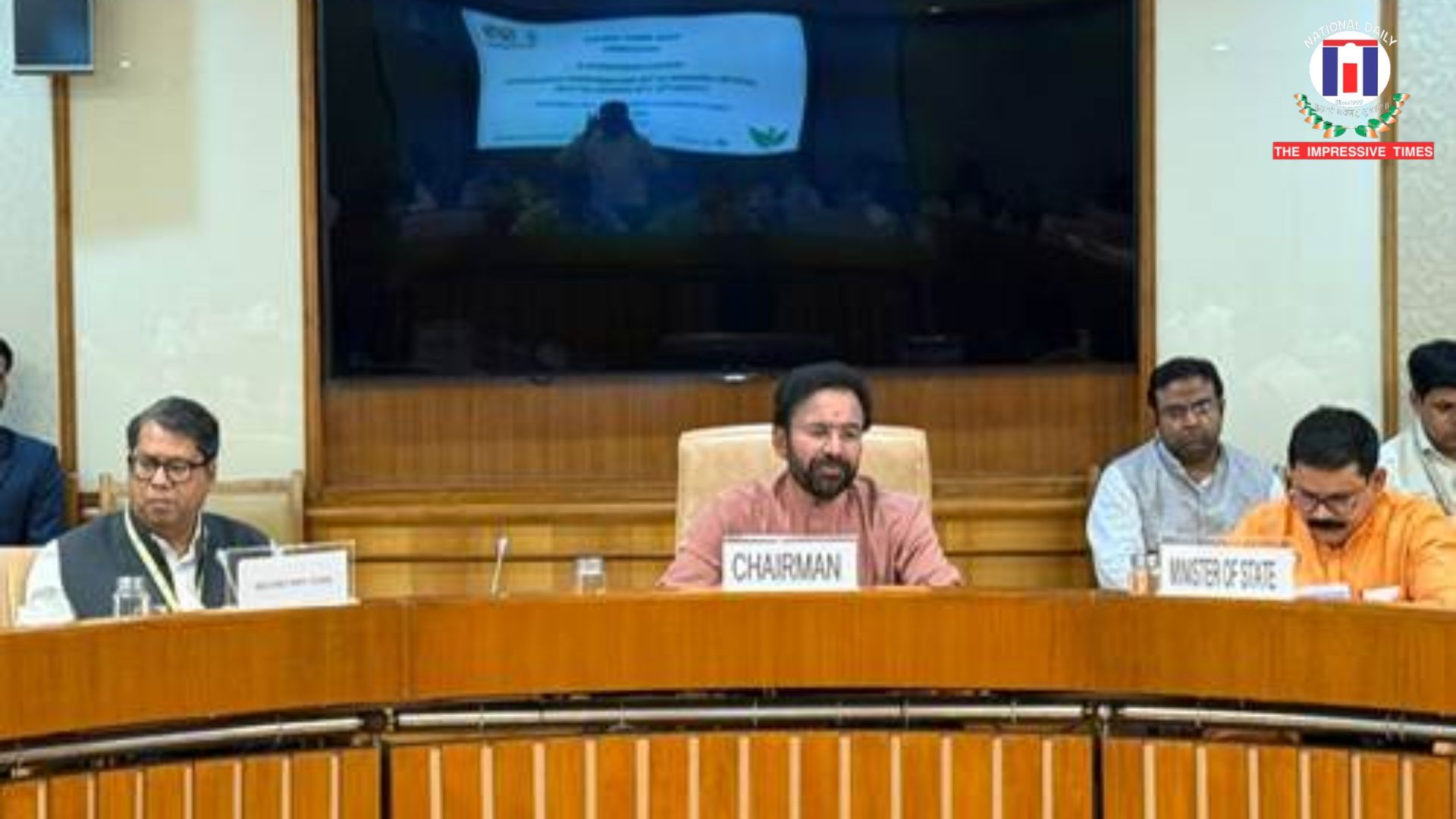
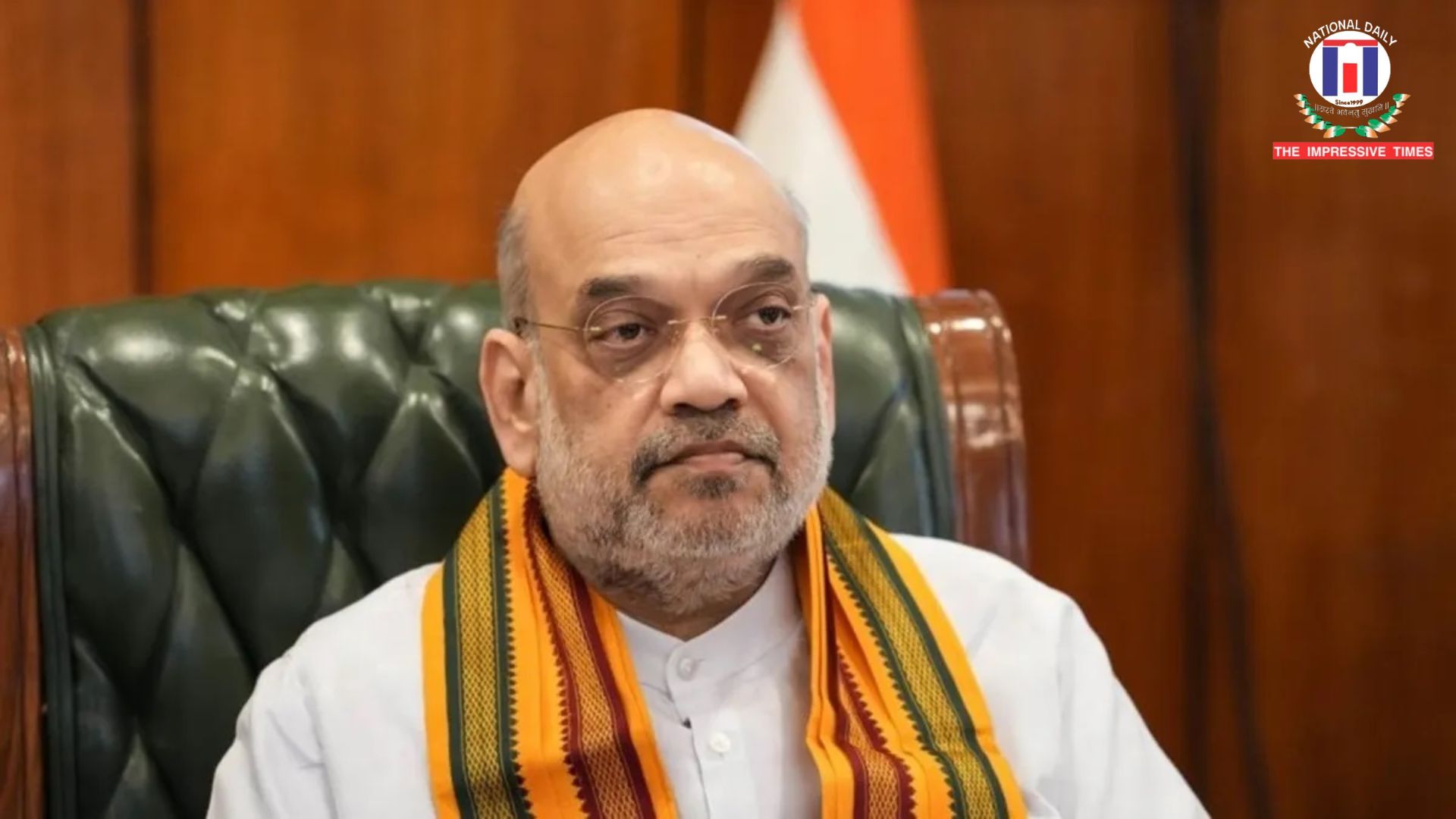
New Delhi – Union Home Minister and Minister of Cooperation Amit Shah inaugurated the two-day Vibrant Villages Programme (VVP) workshop in New Delhi, organised by the Border Management Division of the Ministry of Home Affairs. Addressing the gathering as the chief guest, Shah said that the Vibrant Villages Programme is not only about providing basic amenities but about transforming India’s border villages into thriving centres of development, security, and cultural pride. On the occasion, he also unveiled the official logo of the programme.
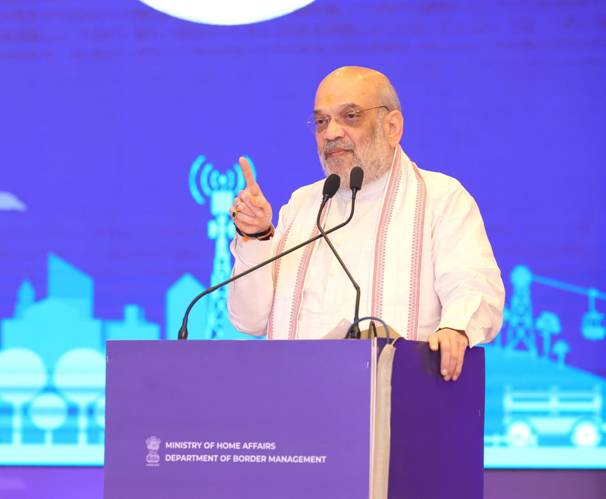
The Home Minister underlined that the VVP is built on three crucial pillars: preventing migration from border villages, ensuring 100 percent saturation of government schemes, and developing these villages into strong tools for securing India’s frontiers. He recalled Prime Minister Narendra Modi’s vision, where the “last village of the country” must be seen as the “first village,” thereby shifting the national perspective towards communities living on the border. This vision, he said, has given new meaning to rural development in strategically sensitive regions.
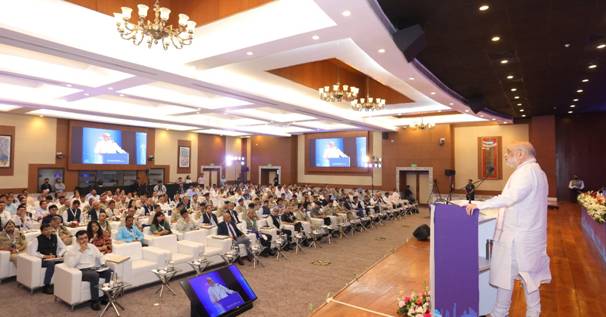
Highlighting the importance of employment creation as the backbone of the programme, Shah urged district collectors and state administrations to expand opportunities in tourism and cooperative institutions. He pointed out that initiatives such as homestays, if supported with proper booking facilities by state tourism departments, could ensure that not a single house in border villages remains vacant. He called for the establishment of dairy cooperatives to directly supply milk to Central Armed Police Forces (CAPFs) and the Army, noting that such a model had already been successfully implemented by the Indo-Tibetan Border Police in Arunachal Pradesh. According to him, these initiatives not only create livelihoods but also build a sense of partnership between security forces and local communities.
Amit Shah further observed that in several border villages of Arunachal Pradesh, the population has started to grow again following the implementation of VVP, reversing the trend of migration. He described this as a positive and encouraging sign, showing that people are ready to stay back if provided with adequate facilities and employment. He also stressed that demographic changes in border areas must be monitored carefully, as they are not merely the outcome of geographical conditions but often a deliberate design that can affect national security. He urged collectors, state governments, and security forces to work together in addressing these concerns with utmost seriousness.
The Home Minister emphasised that the VVP should not remain just a government scheme but must become a mission embedded in the administrative ethos. He encouraged states to leverage programmes such as MGNREGA to build ponds, carry out afforestation, and develop permanent infrastructure in these villages. He also issued a clear directive that illegal encroachments within at least a thirty-kilometre radius of the borders must be removed, citing Gujarat’s efforts in clearing encroachments along land and maritime borders as a model for others.
Concluding his remarks, Amit Shah said that the second phase of the Vibrant Villages Programme should bring a fundamental shift in the administrative approach. He called upon district collectors, state officials, CAPFs, and the Army to work in close coordination to ensure that border villages do not remain isolated but instead evolve into symbols of resilience, development, and security. He expressed confidence that when border villages are provided with facilities, employment opportunities, and cultural pride, they will stand not as vulnerable settlements but as vibrant gateways of India’s strength and sovereignty.




























No Comments: