Amit Shah Highlights NCDC’s Expanding Role in Strengthening Cooperatives at 92nd General Council Meeting
NCDC’s financial assistance quadruples to ₹95,200 crore; focus on dairy, fisheries, women cooperatives, circular economy and Blue Economy

 The Impressive Times
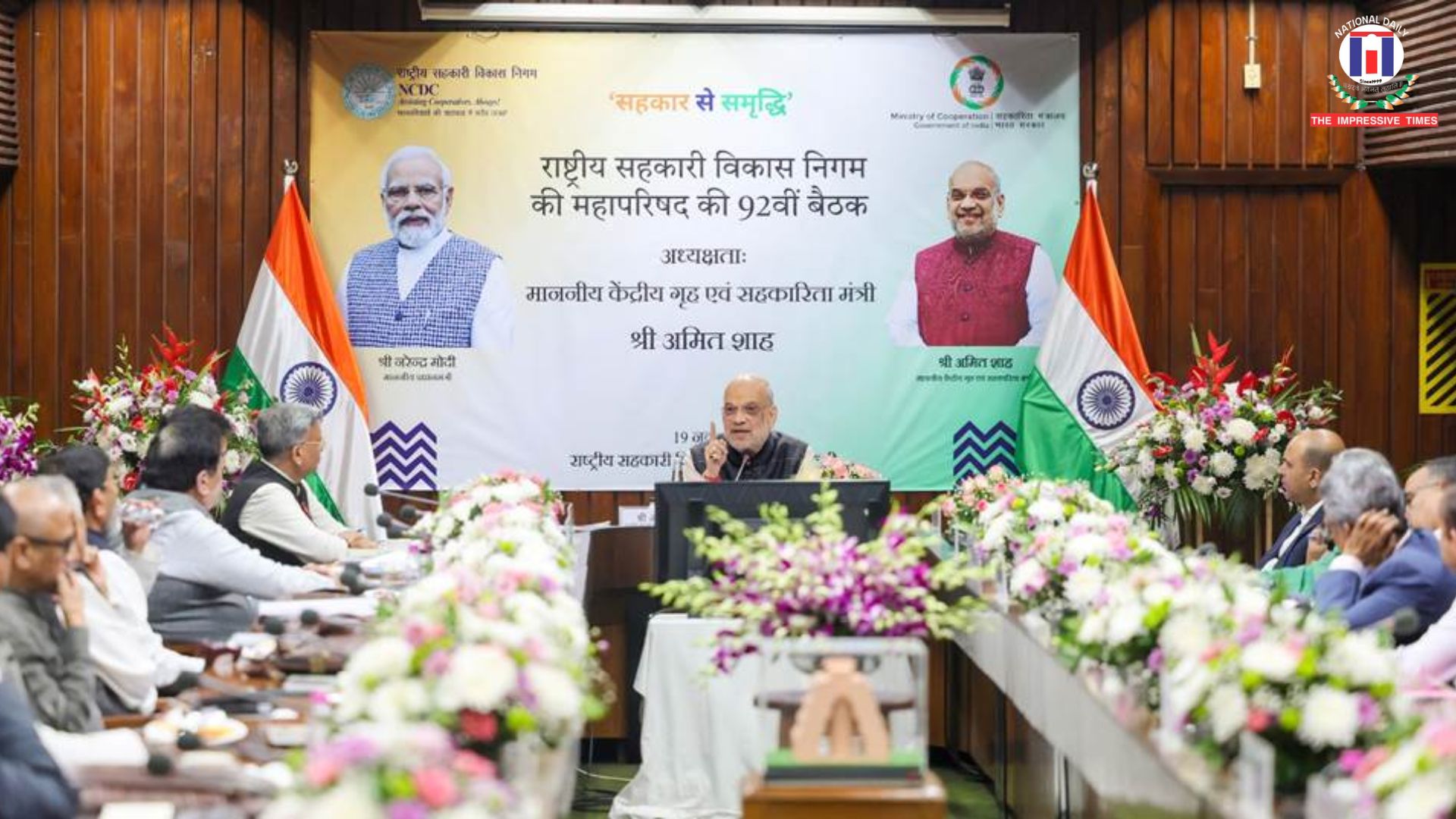
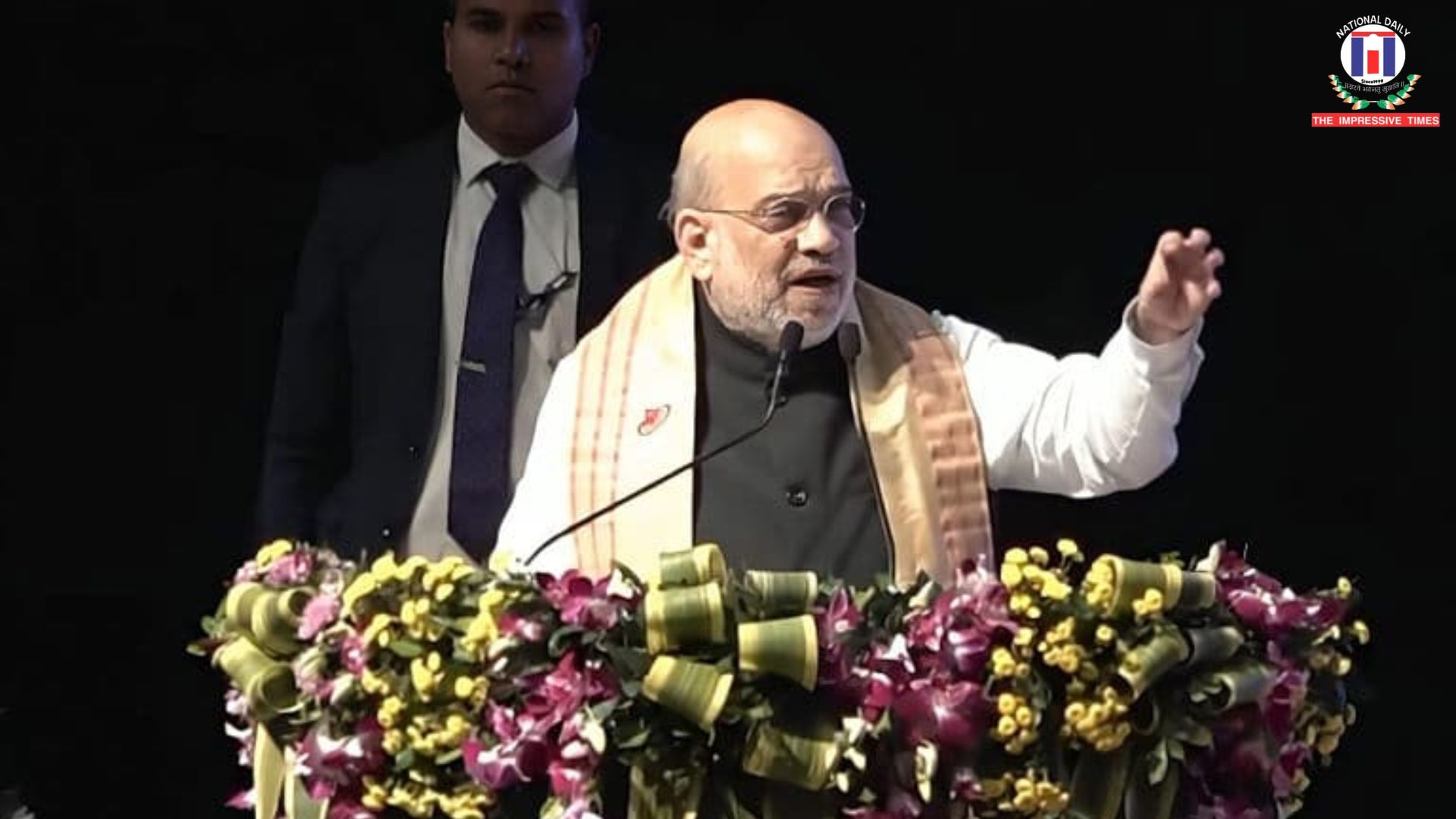
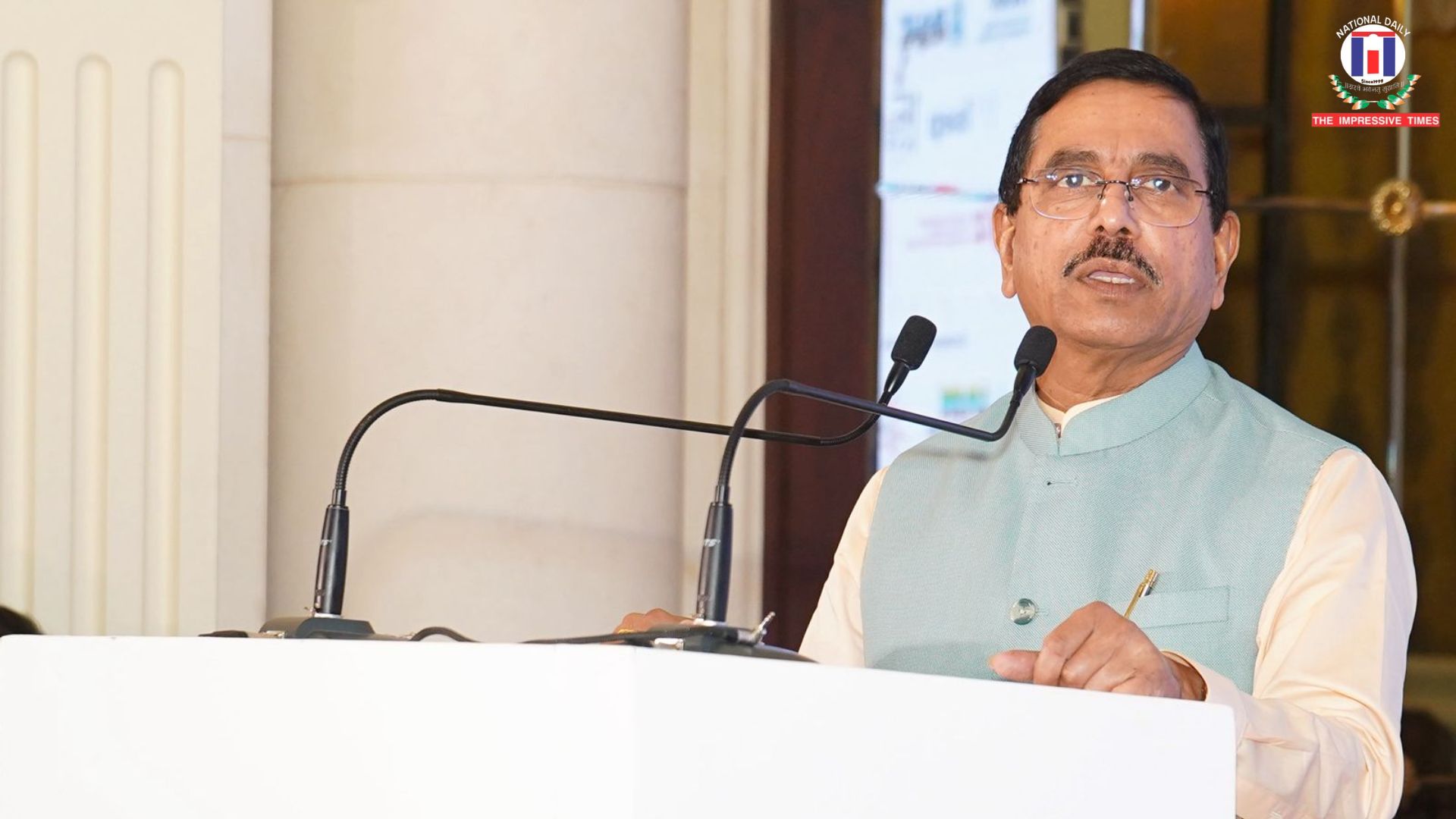
New Delhi, Nov 19, 2025: Union Home and Cooperation Minister Amit Shah addressed the 92nd General Council Meeting of the National Cooperative Development Corporation (NCDC) in New Delhi, highlighting its pivotal role in transforming India’s cooperative landscape. He said that since the creation of the Ministry of Cooperation under Prime Minister Shri Narendra Modi, the cooperative sector has seen unprecedented acceleration, with NCDC emerging as a “principal foundation” of this resurgence.
Shah said the Government is committed to improving the lives of farmers, rural families, fishers, small producers, and micro-entrepreneurs through a stronger cooperative movement. He underscored that cooperation remains central to India’s push towards Atmanirbhar Bharat.
The Minister noted that NCDC’s total financial disbursement has surged from ₹24,700 crore in FY 2020–21 to ₹95,200 crore in FY 2024–25. In the past four years, the organisation has achieved a 40% compound annual growth rate, maintained zero net NPA, and recorded its highest-ever net profit of ₹807 crore.
He said NCDC has played a major role in strengthening cooperatives in dairy, food processing, textiles, marketing, and credit through DCCBs, State Cooperative Banks, and Marketing Federations.
Shah emphasised that developing PACS as Farmer Producer Organizations helps ensure farmers get fair value and encourages community-driven growth. He also highlighted the work of multi-state cooperative institutions such as:
National Cooperative Export Limited (NCEL)
Bharatiya Beej Sahakari Samiti Limited (BBSSL)
National Cooperative Organic Limited (NCOL)
These organisations are driving organic production, exports, and sustainable farming post-Green Revolution.
NCDC has already strengthened 1,070 Fisheries Farmer Producer Organizations (FFPOs), while work continues on 2,348 more FFPOs under the Pradhan Mantri Matsya Kisan Samriddhi Sah-Yojana.
Financial support for deep-sea fishing trawlers in Maharashtra and Gujarat has boosted the Blue Economy, expanding income opportunities—particularly for women.
Shri Shah said there is an urgent need to promote circular economy practices in sugar mills and dairy cooperatives. He noted that using the government’s ₹1,000 crore modernisation grant, NCDC has disbursed ₹10,005 crore to 56 sugar mills for:
ethanol production plants
co-generation projects
working capital
This enables sugar mills to diversify income sources and reduce financial stress.
The Minister highlighted the establishment of a cooperative-based “Bharat Taxi” service—India’s first cooperative taxi model—which will provide better earnings and social security for drivers. A new multi-state cooperative society has been registered, and driver enrolment and technology development are underway.
To deepen cooperative development nationwide, NCDC has opened:
A regional office in Vijayawada
Sub-offices in J&K, Ladakh, Sikkim, Manipur, Mizoram, Tripura, Arunachal Pradesh, Meghalaya, and Nagaland
This expansion will improve access to funding and support for cooperatives in remote regions.
Following the Government’s ₹2,000 crore grant, NCDC is mobilising ₹20,000 crore to provide long-term and working capital loans at concessional rates to cooperatives in:
dairy
livestock
fisheries
sugar
textiles
food processing
storage & cold storage
agriculture
women cooperatives
Shri Shah said these sectors are crucial for rural development and employment generation.
NCDC has strengthened the umbrella body of urban cooperative banks and the Sahakar Sarathi platform, which will enhance technological services for cooperative credit institutions across India.
To involve youth in the cooperative movement, NCDC’s Cooperative Intern programme is being implemented effectively. Selected interns are providing technical and managerial support to cooperative institutions nationwide.
The General Council Meeting included 51 members, including top officials from central ministries, state governments, cooperative federations, and NITI Aayog. The Council is the apex policymaking body responsible for NCDC’s guidelines in financing agriculture, rural infrastructure, and allied cooperative sectors.





























No Comments: