US-Iran Talks Break Down: Pakistan Calls for Ceasefire Extension, Offers to Mediate
Pakistan Reacts After Diplomatic Deadlock

 The Impressive Times
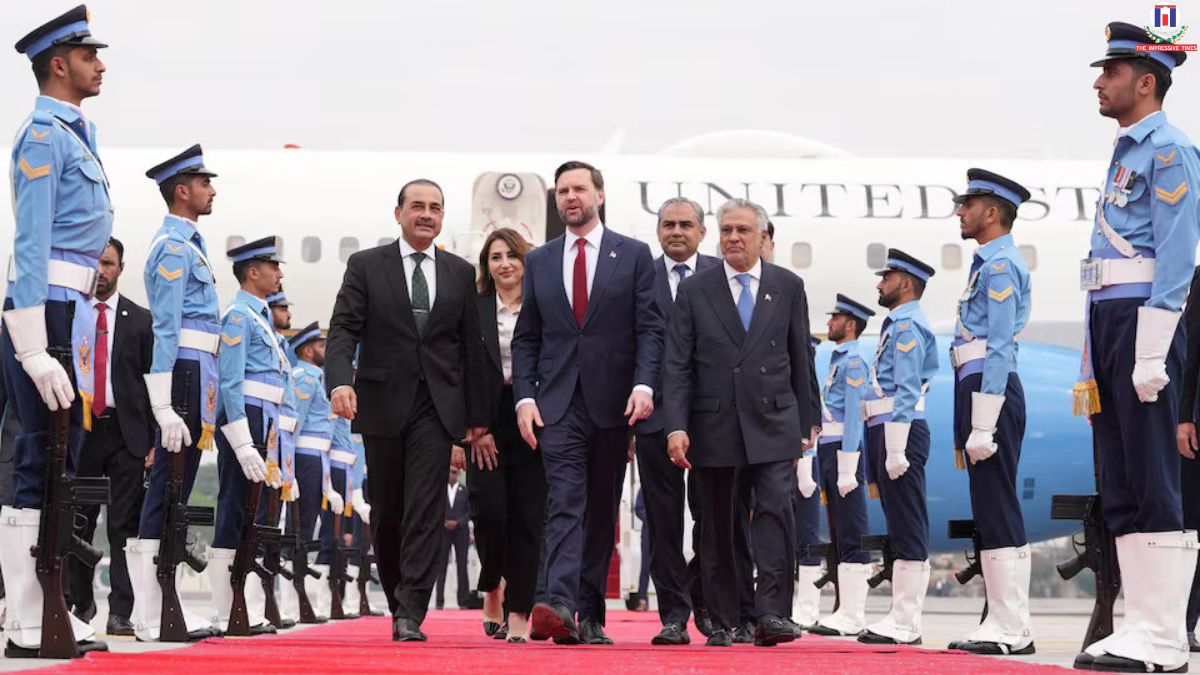
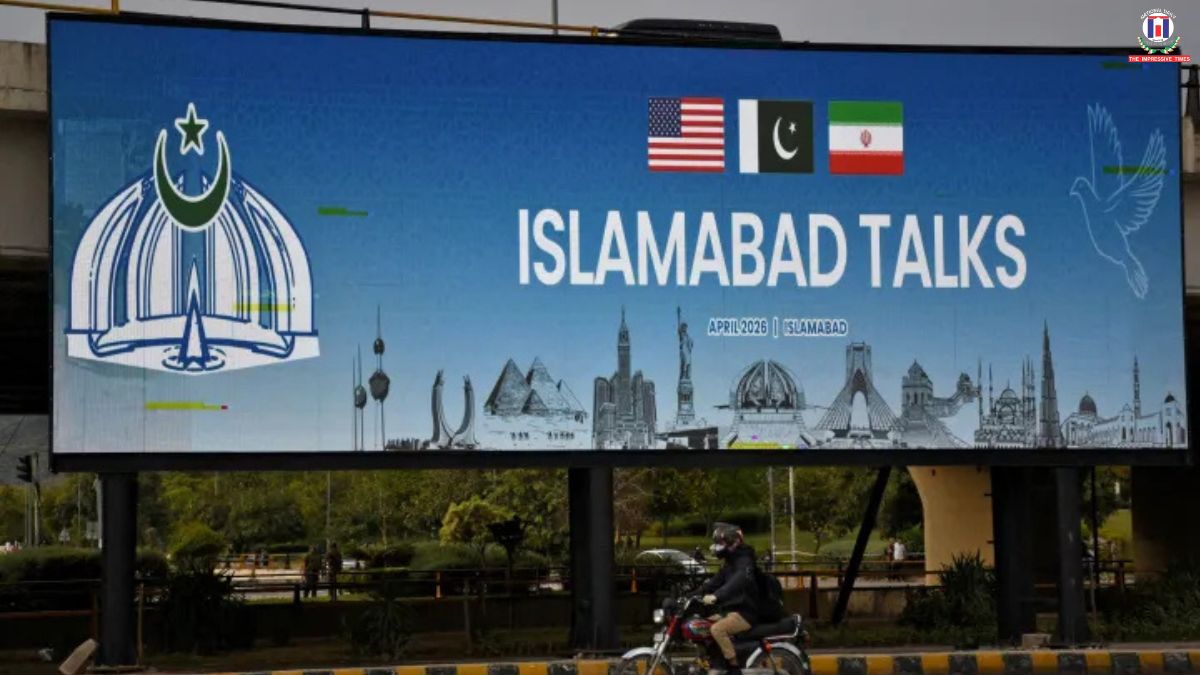
Following the collapse of negotiations between the United States and Iran, Pakistan has stepped forward with its first official response. Foreign Minister Ishaq Dar emphasized the importance of maintaining peace and stability, urging both sides to continue the existing ceasefire arrangement.
He stated that Pakistan had made sincere efforts to help both nations reach a diplomatic understanding and remains committed to facilitating further dialogue if needed.
Dar highlighted that extending the current ceasefire is essential to create a conducive environment for future negotiations. He expressed hope that both Washington and Tehran would respect the fragile truce and avoid actions that could escalate tensions again.
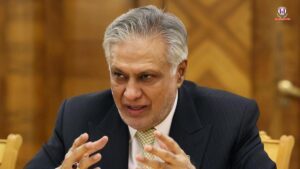
Pakistan, according to him, is ready to play a constructive role in bringing both sides back to the negotiating table.
The breakdown in discussions reportedly stemmed from major disagreements over Iran’s nuclear program. The United States demanded a complete halt to uranium enrichment, along with the removal of a significant portion of Iran’s enriched uranium stockpile.
These demands were seen as critical by Washington but remain a major hurdle in reaching any agreement with Tehran.
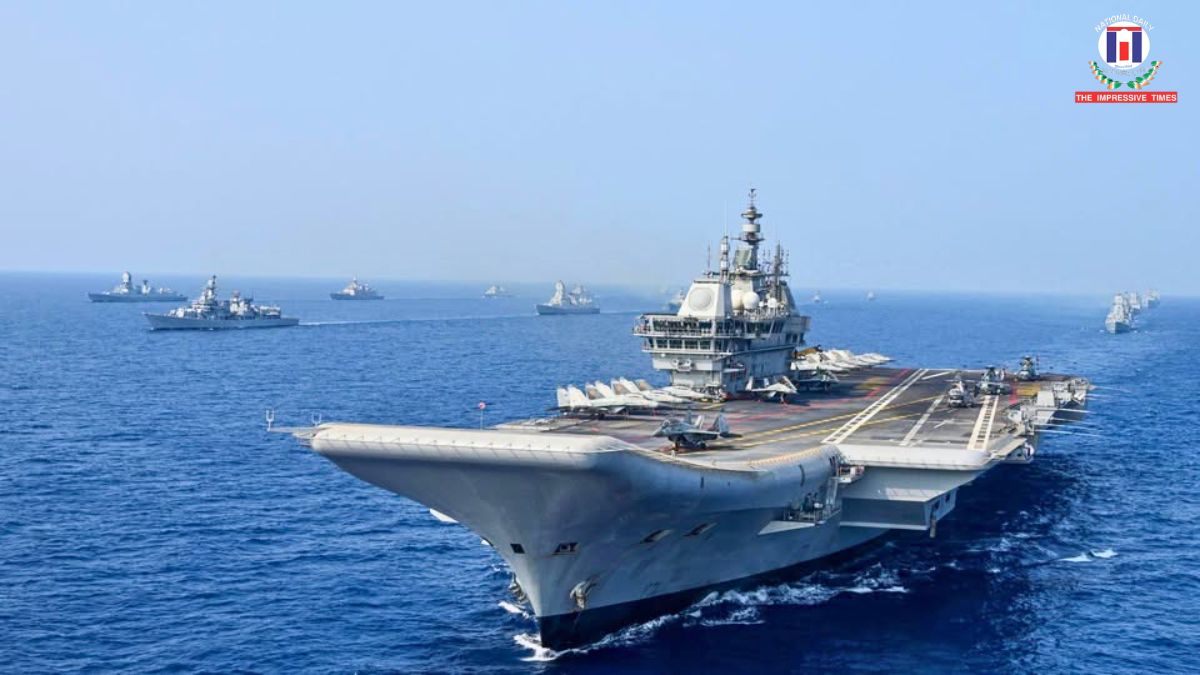
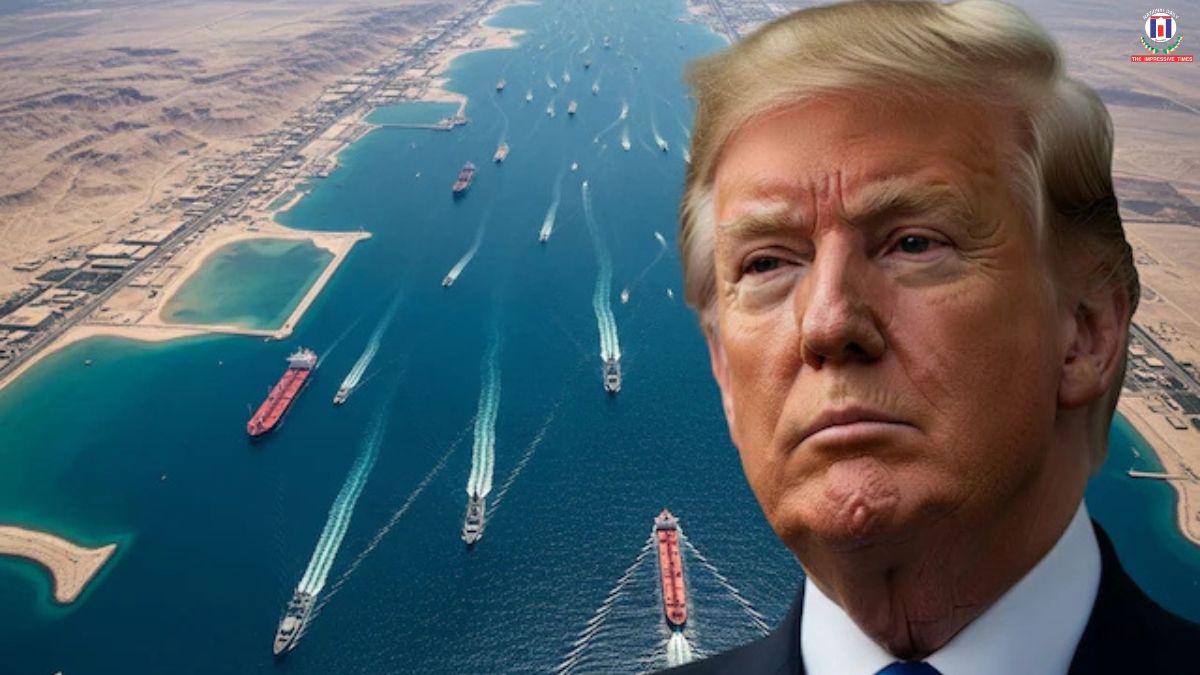
Another major issue raised by the US is control over the security of the Strait of Hormuz. This crucial maritime route handles a significant share of global oil shipments, making it strategically vital for international trade and energy supply.
The US has indicated its intention to maintain a strong security presence in the region, which adds another layer of complexity to the already strained relations.
Although a ceasefire has been in place after weeks of tension, the situation remains unstable. Experts fear that without concrete progress in talks, the current calm may be temporary.
Pakistan’s diplomatic outreach signals its intention to reduce friction and promote dialogue, but the path forward remains uncertain as both sides hold firm on key demands.







































No Comments: