Top Court to Assess Feasibility of Biometric, Facial Recognition for Voter Verification
Supreme Court of India issues notice to Centre and Election Commission of India, flags legal and cost challenges in adopting advanced authentication systems

 The Impressive Times
New Delhi: The Supreme Court of India on Monday agreed to examine whether advanced technologies such as biometric identification and facial recognition can be incorporated into India’s electoral process to strengthen voter verification.
A bench led by the Chief Justice took note of a public interest petition that calls for the adoption of modern authentication methods to curb electoral malpractices. While acknowledging the importance of the issues raised, the court made it clear that such reforms cannot be implemented in the immediate term, particularly with elections already scheduled in the near future.
The judges observed that introducing these technologies at polling stations would involve more than administrative adjustments. Significant amendments to existing election laws, along with considerable financial investment and logistical planning, would be required before any rollout could be considered.
During the proceedings, the bench initially indicated that the petitioner should first approach the Election Commission of India, as it is the primary authority responsible for conducting elections. However, the court later decided to formally seek responses from both the poll body and the central government after being informed that the proposal is aimed at long-term reforms rather than immediate implementation.
The petition highlights concerns over issues such as impersonation, duplicate entries in voter rolls, and undue influence during elections. It argues that existing verification methods, which largely rely on identity cards and manual checks, may not be sufficient to eliminate these risks.
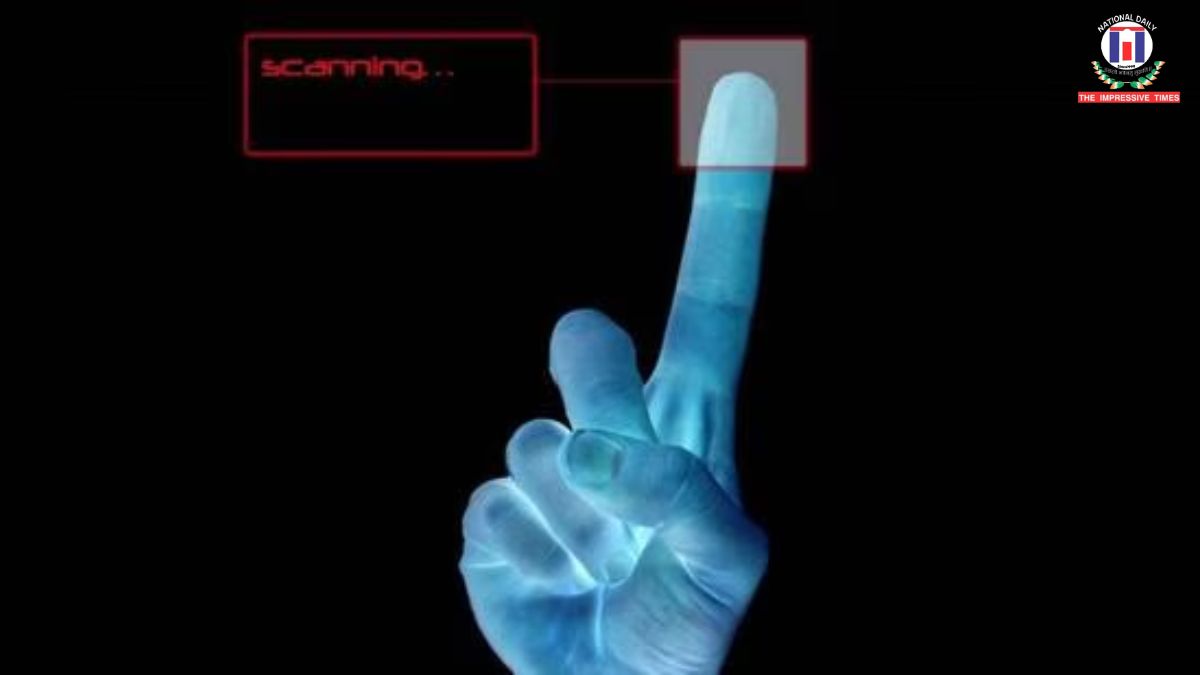
According to the plea, biometric tools like fingerprint and iris scans could ensure that each vote is cast by a genuine individual, reinforcing the principle of “one person, one vote.” It also suggests that integrating such systems could help address challenges related to migrant voters and inaccuracies in electoral databases.
Additionally, the proposal points out that digital authentication could improve transparency by creating verifiable records of voter participation, thereby enhancing trust in the electoral process.
The petition invokes constitutional provisions that empower election authorities to introduce reforms aimed at ensuring free and fair polls. It also notes that similar identification technologies are already being used in various government services, suggesting that their adoption in elections could be a logical next step.
The matter is expected to be taken up after responses are filed, with the court set to evaluate whether such technological interventions are practical and legally viable for future elections.































No Comments: