Spain’s Pork Sector Under Pressure as African Swine Fever Threatens Exports and Farmer Livelihoods
Falling prices, export bans and wild boar spread deepen crisis despite aggressive containment efforts

 The Impressive Times
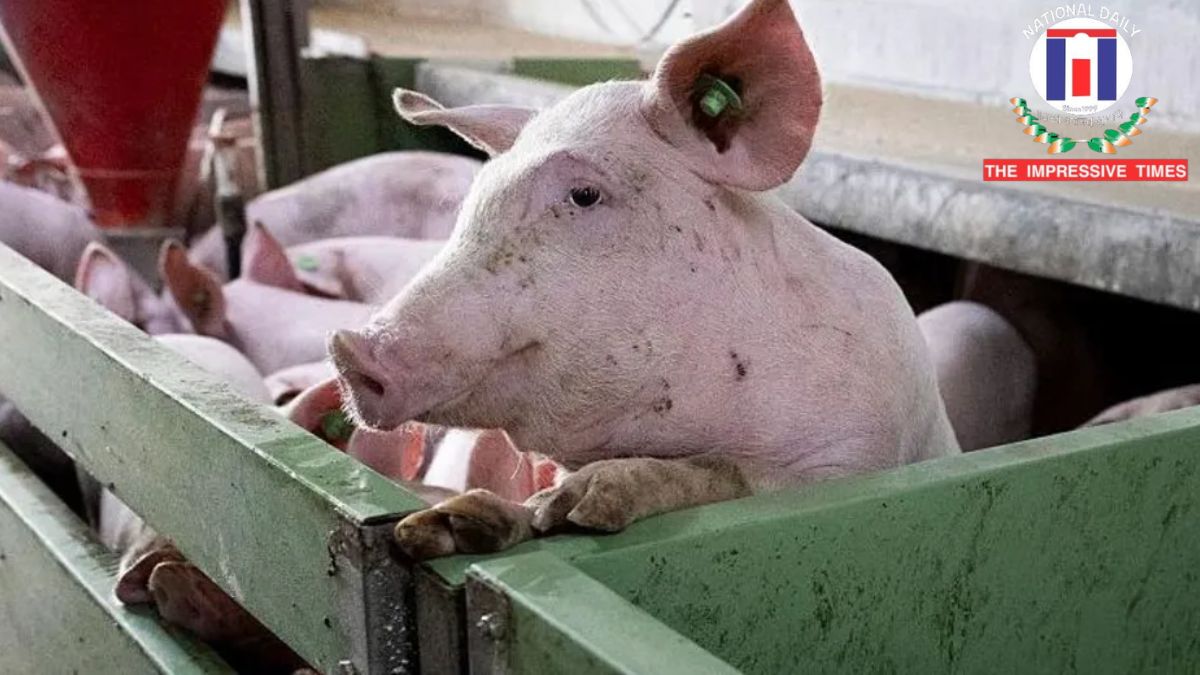
Spain’s multi-billion-euro pork industry is facing a growing crisis following the emergence of African Swine Fever, a highly contagious infection that affects pigs and wild boar. While harmless to humans, the disease has triggered strict trade restrictions and significant financial losses for farmers.
In the northeastern region of Catalonia, pig farmers are already feeling the economic strain. Producers report a sharp decline in market value, with each animal now fetching considerably lower prices compared to pre-outbreak levels. The downturn has raised concerns about long-term sustainability in one of Europe’s largest pork-producing nations.
The outbreak was first identified near Collserola Park, where an infected wild boar was discovered. Authorities responded by restricting access to the area and launching extensive monitoring operations. Although the infection remains geographically limited, its economic impact has spread far beyond the affected zone.
Wild boar populations have been identified as a major factor in the transmission of the virus. Regional officials estimate that tens of thousands of these animals roam across Catalonia, prompting an aggressive population control strategy. Hunting operations, trapping systems, surveillance cameras, and drones are being deployed to track and reduce numbers, particularly in high-risk zones surrounding initial cases.
The regional government, led by Agriculture Minister Òscar Ordeig, has emphasized strict biosecurity protocols and rapid response measures to protect farms. Efforts include fencing off affected areas and enforcing disinfection procedures for personnel working in risk zones.
Despite these actions, the industry has suffered a severe blow in global trade. Several major importers, including countries outside the European Union, have suspended purchases of Spanish pork following confirmation of the disease. Although some markets have imposed only regional restrictions, overall demand has dropped sharply.
Industry data indicates a notable decline in exports from Catalonia, alongside cumulative financial losses running into hundreds of millions of euros. The situation is particularly concerning given that Spain’s pork sector, valued at approximately €25 billion, plays a crucial role in the national economy.
Experts warn that even if the outbreak is contained, Spain will need to remain free of the disease for at least a year before regaining full export status. Other European countries have experienced prolonged disruptions due to ASF, leading to farm closures and reduced production.
While authorities aim to replicate successful containment models seen elsewhere in Europe, some industry groups argue that the response has not been swift enough, especially in controlling infected wild boar populations.
For now, farmers remain cautious. Many continue to rely on strict safety measures to protect their livestock, but uncertainty looms as the sector navigates one of its most serious challenges in decades.














































No Comments: