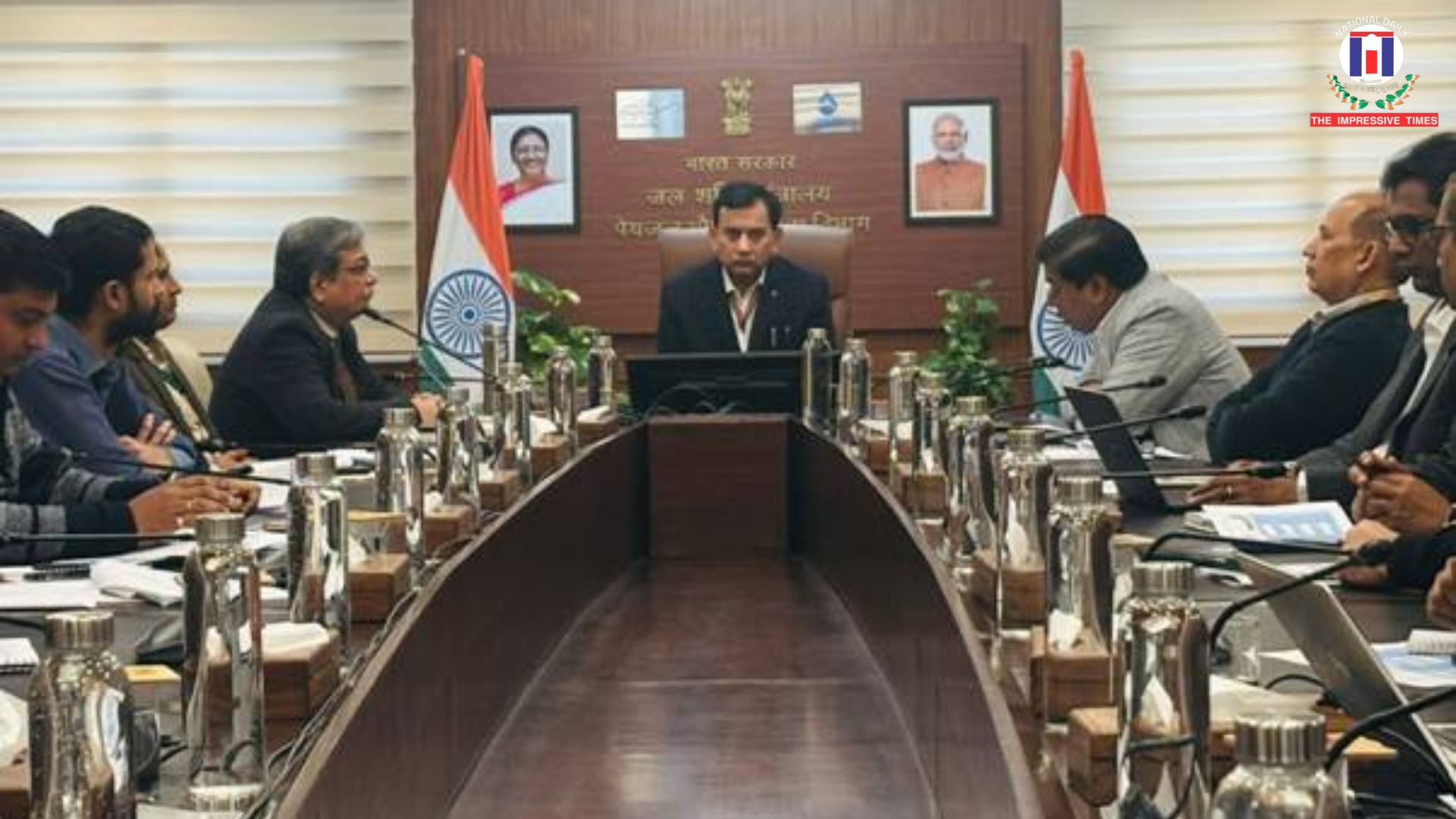
New Delhi, January 21, 2026:The Department of Drinking Water and Sanitation (DDWS), Ministry of Jal Shakti, conducted the third edition of Sujal Gram Samvad, a nationwide virtual outreach initiative aimed at strengthening community-driven drinking water governance under the Jal Jeevan Mission (JJM).
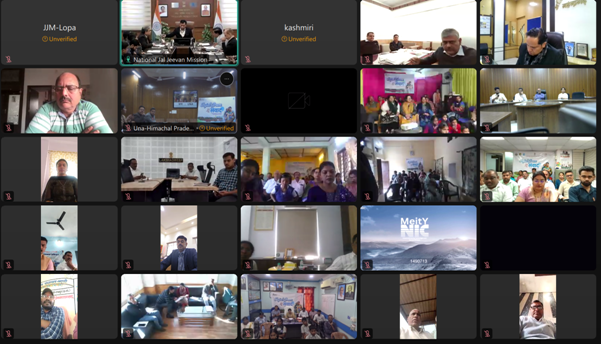
The programme connected eight Gram Panchayat headquarter villages from eight different States and Union Territories, with interactions held entirely in local languages and dialects. More than 3,000 registered participants joined the dialogue, while a much larger number of villagers—including women, children, youth, and senior citizens—participated collectively at Panchayat locations, reflecting widespread grassroots engagement.
Community-Centric Dialogue for Water Security
Sujal Gram Samvad is designed as a direct interface between policymakers and village institutions, enabling communities to share experiences, innovations, and challenges related to drinking water supply, operation, and maintenance. The platform encourages peer learning, transparency, and collective responsibility, reinforcing the idea of water as a shared community asset.
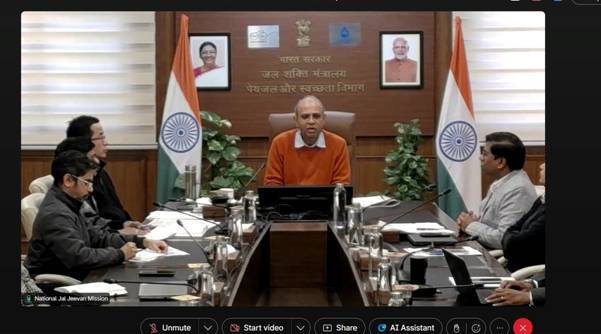
Senior officials from DDWS and the National Jal Jeevan Mission (NJJM), State Mission Directors, District Collectors, Panchayat leaders, Village Water and Sanitation Committees (VWSCs), women Self-Help Groups, students, and frontline functionaries participated in the interaction.
Key Messages from the Leadership
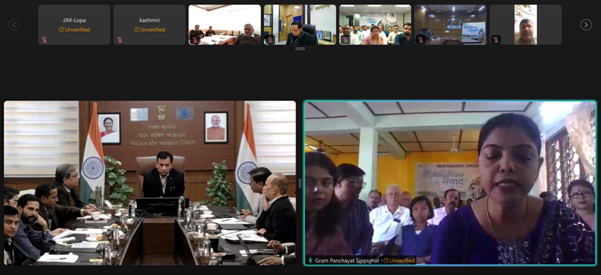
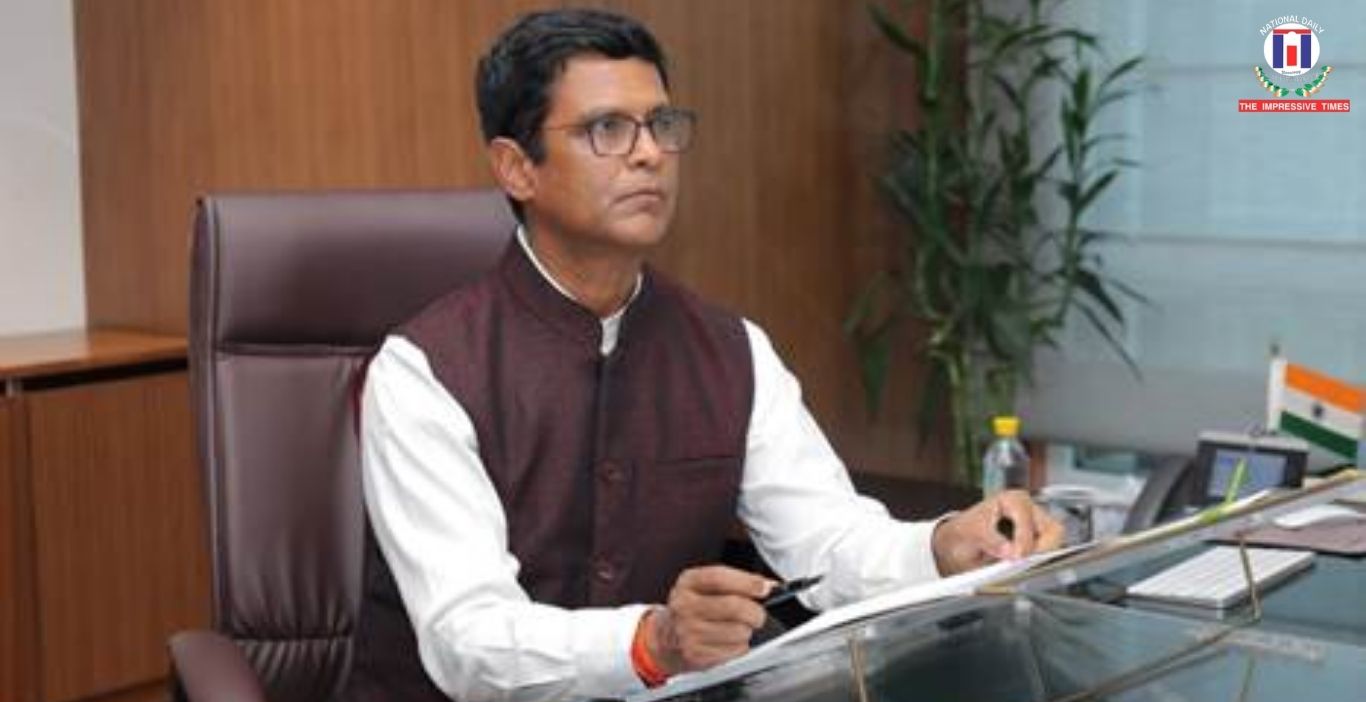
In his message, Ashok K.K. Meena, Secretary, DDWS, emphasised that under the 73rd Constitutional Amendment, Gram Panchayats are the primary custodians of rural drinking water systems. He underlined three focus areas for strengthening village-level governance:
-
Full ownership by Panchayats through participatory planning and regular community engagement
-
Jal Arpan and Lok Jal Utsav, ensuring proper commissioning, review, and maintenance of water schemes
-
Jal Seva Aankalan, where villagers themselves assess water quantity, quality, and service levels through Gram Sabhas, with findings placed in the public domain for accountability
Opening the session, Kamal Kishore Soan, AS & MD, NJJM, said the initiative was conceptualised to listen to communities in their own voices and languages. He reiterated that Jal Jeevan Mission is a people’s movement and that long-term sustainability of drinking water systems—over a 30-year horizon—depends on active community participation, source protection, and efficient local institutions.
Village Experiences from Across India
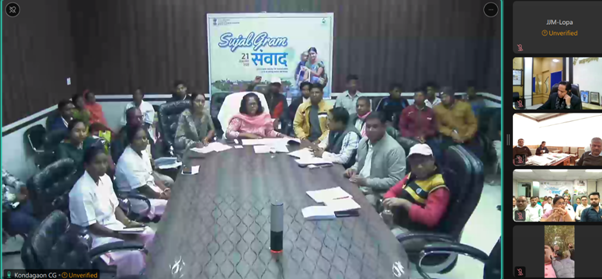
Villages from diverse geographies shared how household tap connections have transformed daily life:
-
Sipphighat (Andaman & Nicobar Islands) reported reduced water-borne diseases, improved school hygiene, and significant relief for women and children.
-
Salehbhat (Chhattisgarh) highlighted disciplined water use, community-approved user charges, women-led water quality testing, and local recharge initiatives.
-
Dochana (Haryana) showcased transparent user-fee collection, SHG involvement, and improved service reliability using treated canal water.
-
Harvelam (Goa) shared its experience of 24×7 water supply, universal metering, and seasonal water quality monitoring.
-
Tsethrongse (Nagaland) spoke about overcoming long-distance water collection, efficient fund utilisation, and village-wide participation in WATSAN governance.
-
Rampur (Himachal Pradesh) demonstrated strong women’s leadership in VWSCs and productive use of time saved due to tap water access.
-
Samarvani (Dadra & Nagar Haveli) highlighted technology-driven water management through SCADA systems and strong grievance redressal mechanisms.
-
Kalpeni Island (Lakshadweep) presented a model of round-the-clock water supply, improved household usage, and better sanitation outcomes in schools.
Strengthening the Centre–Village Feedback Loop
The third edition of Sujal Gram Samvad reinforced two-way communication between the Centre and village institutions responsible for last-mile delivery. By promoting dialogue in local languages and recognising successful Panchayats, the initiative continues to inspire replication of best practices across the country.
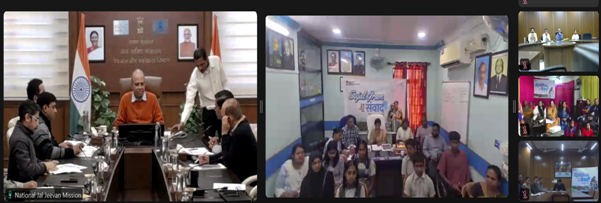
The session concluded with a vote of thanks by Shri Y.K. Singh, Director, NJJM, marking the successful completion of the programme.
Looking Ahead
Sujal Gram Samvad has emerged as a vital platform for advancing sustainable, inclusive, and people-led rural water supply systems. The initiative reaffirms the Government of India’s commitment to ensuring that safe and adequate drinking water reaches every rural household—through community ownership, transparency, and shared responsibility.































No Comments: