Technology Sovereignty Key to India’s Global Position, Says Dr. Jitendra Singh at CSIR 84th Foundation Day
CSIR’s Innovations Driving Industry Linkages and Socio-Economic Change

 The Impressive Times
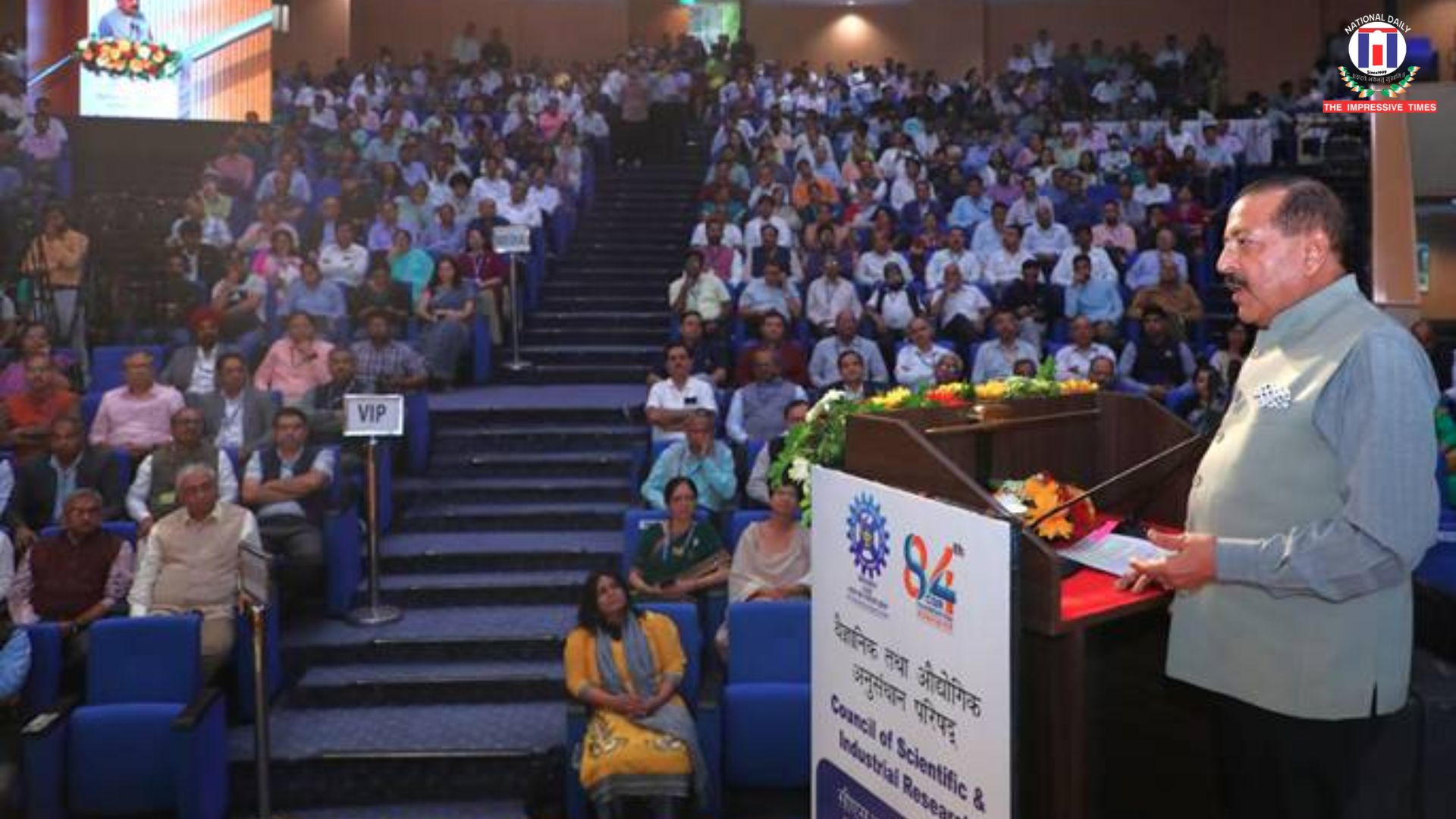
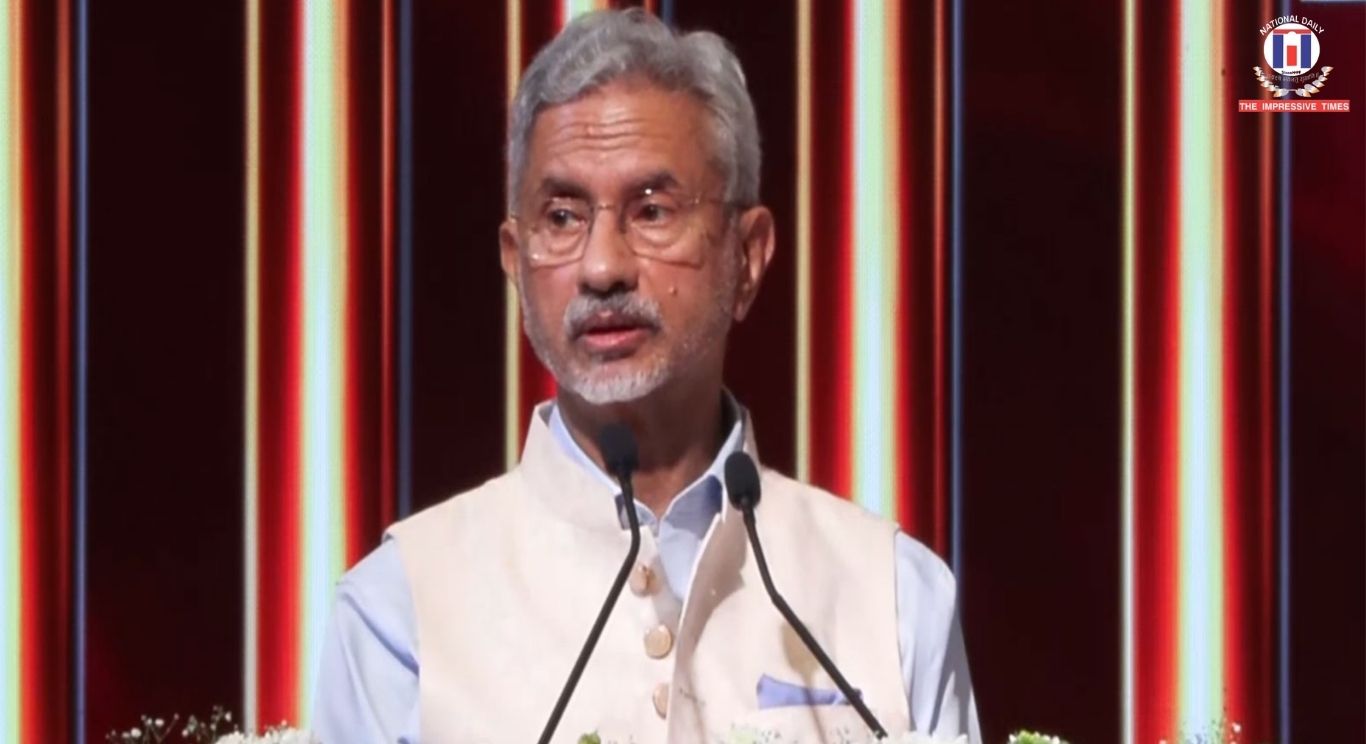
New Delhi, September 26, 2025 – Union Minister of State for Science and Technology and Vice President of CSIR, Dr. Jitendra Singh, stated that technology sovereignty will define India’s geopolitical standing in the future. Speaking at the 84th Foundation Day of the Council of Scientific and Industrial Research (CSIR), he emphasized the institution’s role in steering the nation towards a technology-driven Viksit Bharat 2047.
Tracing CSIR’s roots to 1942, Dr. Singh highlighted its significance as one of the few national institutions founded before Independence. He paid tribute to its early pioneers, including Dr. Syama Prasad Mookerjee and Sir Ramnath Chopra, whose contributions to academics and pharmaceutical research laid the foundation for India’s scientific journey. “CSIR’s legacy is a reminder that innovation was a part of India’s story even before freedom,” he remarked.
Focusing on the present, the Minister underlined the need for India to strengthen its expertise in emerging technologies to remain competitive globally. With 37 laboratories nationwide, CSIR works across diverse sectors such as healthcare, agriculture, materials, and defence. Programs like One Week One Lab and One Week One Theme showcase the breadth of its scientific contributions.
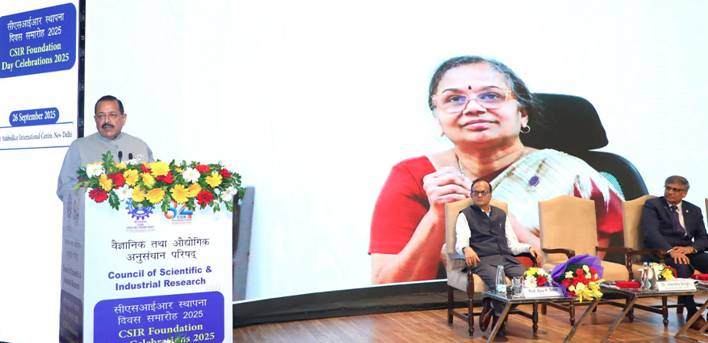
Dr. Singh highlighted recent achievements, including the development of Nafithromycin, an antibiotic effective against resistant respiratory infections. He stressed the importance of collaboration between CSIR and allied scientific departments to maximise outcomes and called for greater integration across institutions.
Industry collaboration, he noted, is crucial for translating laboratory research into market-ready solutions. “From vaccines to floriculture, robust industry engagement has been key to our successes,” he said, urging companies to take greater ownership of innovations emerging from Indian labs.
The societal impact of CSIR’s work was illustrated through initiatives like lavender cultivation in Jammu and Kashmir and tulip innovation in Palampur, which have enhanced farmers’ livelihoods. CSIR technologies also contribute to national security, including sensors used in Operation Sindoor.
“Our goal is to ensure that science improves everyday life and delivers tangible socio-economic benefits,” Dr. Singh added.
Looking ahead, he outlined a three-pronged approach—awareness, affordability, and accessibility—to ensure science reaches all sections of society. He encouraged scientists to leverage modern communication tools and social media to engage citizens and showcase their work.
The event was attended by leading figures from India and abroad, including Dr. V. K. Saraswat, Member, NITI Aayog; Prof. Ajay Kumar Sood, Principal Scientific Advisor to the Government of India; and Dr. Sethuraman Panchanathan, University Professor of Technology and Innovation at Arizona State University and former Director of the U.S. National Science Foundation.
As CSIR approaches its centenary in 2042, Dr. Jitendra Singh urged the institution to remain a torchbearer of India’s technological rise.
“The true tribute to our founding fathers will be to take science to every corner of society and lead India into 2047 with confidence and capability,” he concluded.


































No Comments: