India’s Future Economy to Be Driven by Biotechnology, Says Dr. Jitendra Singh at Symbiosis Conference
Biotech: India’s Next Industrial Revolution

 The Impressive Times
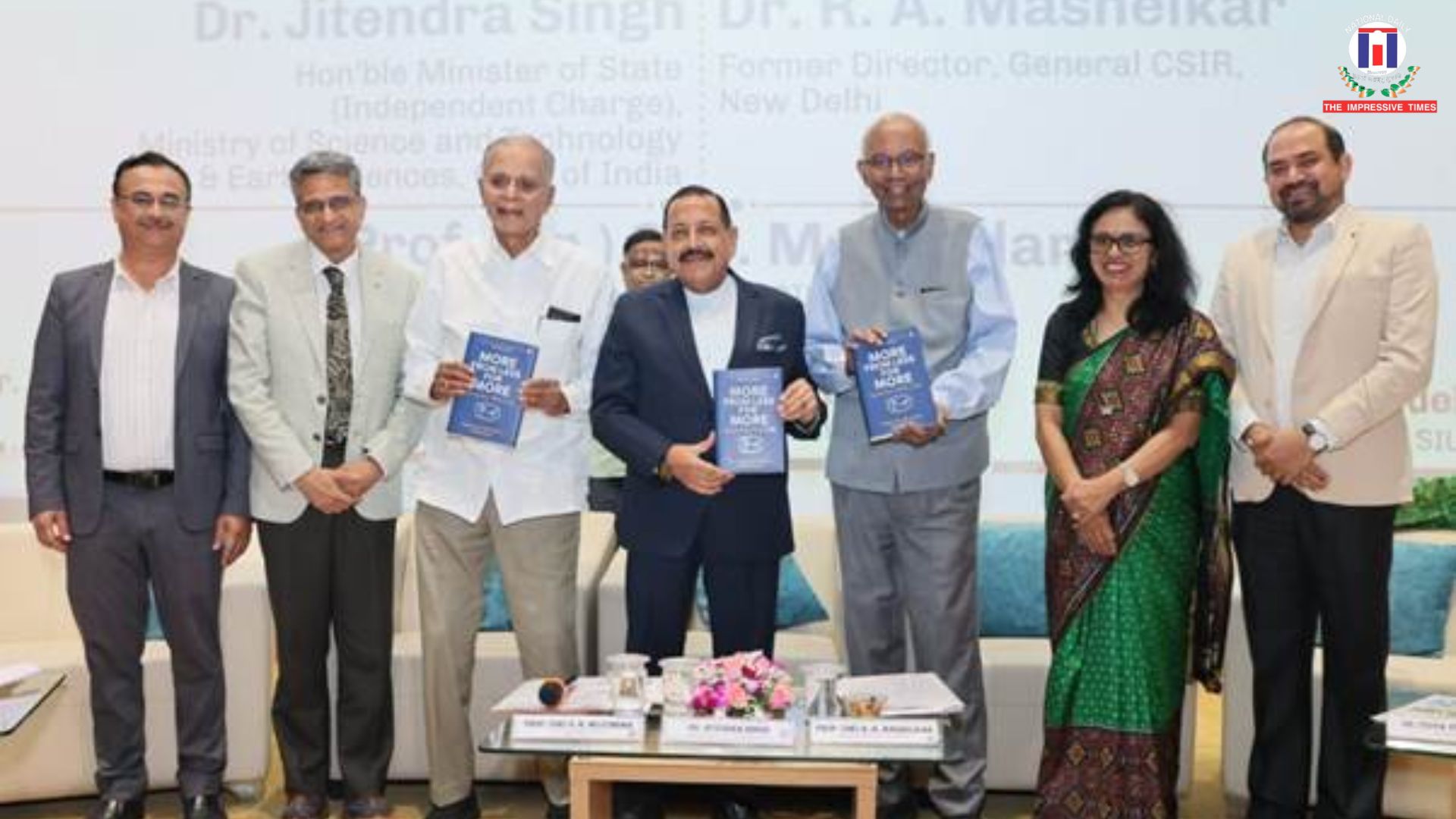
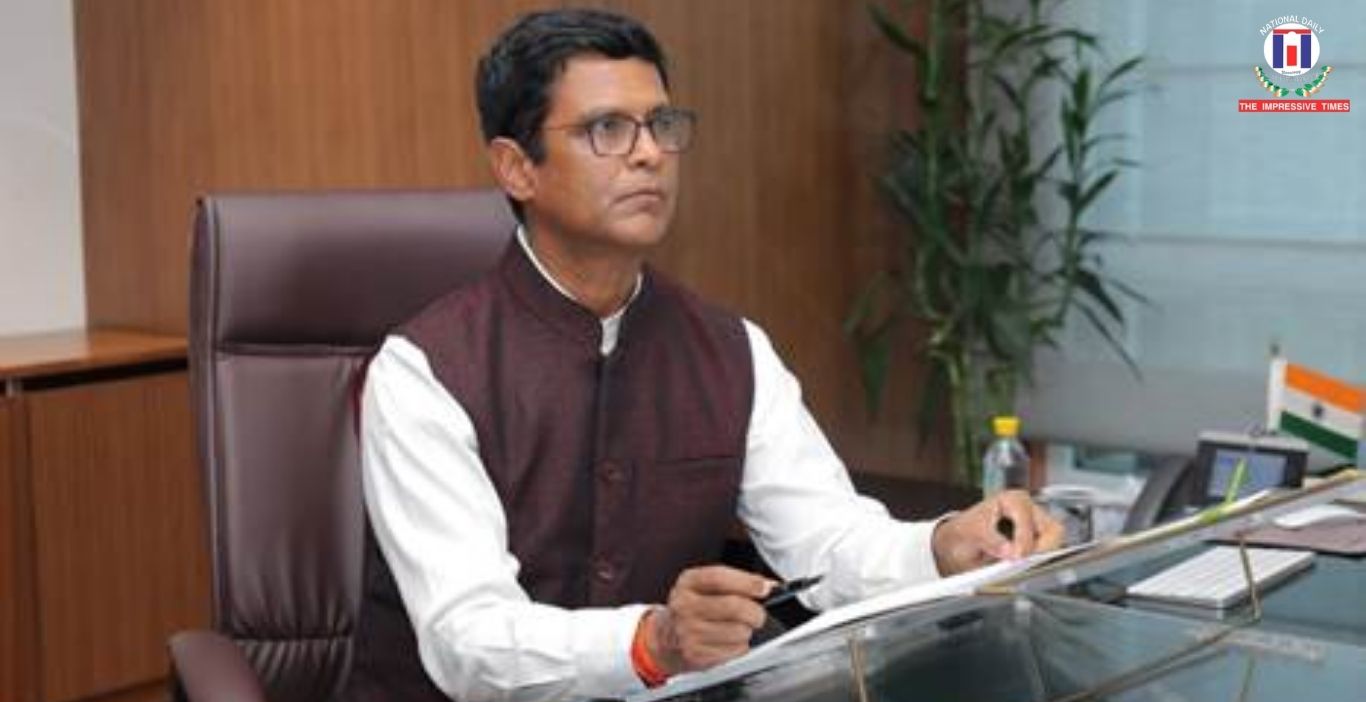
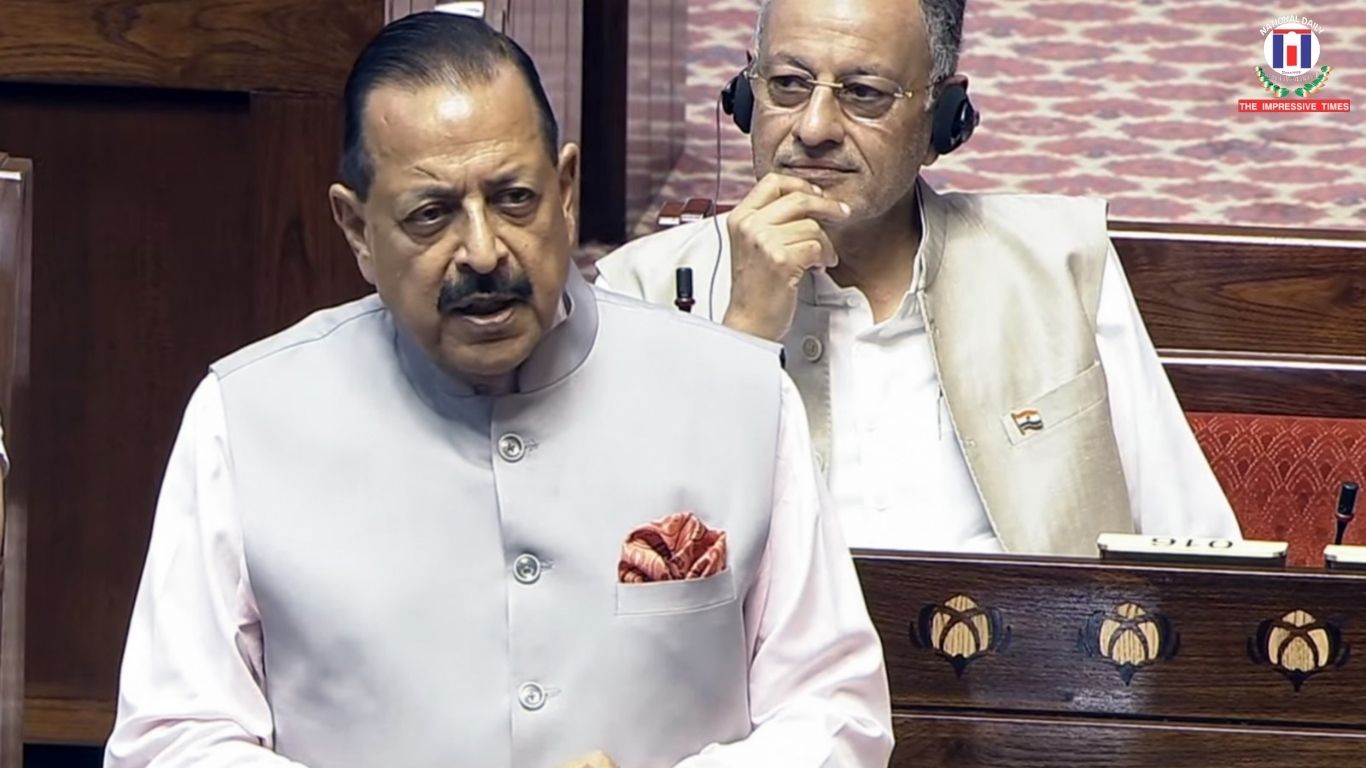
Pune, September 19, 2025: Dr. Jitendra Singh, Union Minister of State (Independent Charge) for Science and Technology and Minister of State for PMO, Department of Atomic Energy, Department of Space, and Personnel, highlighted biotechnology as a critical driver for India’s future economy and healthcare advancements. Speaking at the inauguration of SYMRESEARCH 2.0: International Conference on Bioengineering for Global Health at Symbiosis International University, he described biotechnology as the “next industrial revolution.”
Dr. Singh emphasized India’s achievements in biotechnology, citing innovations such as the indigenous COVID-19 vaccine, HPV vaccine, development of new antibiotics, and large-scale gene sequencing projects. He noted that just as information technology fueled India’s economic growth in the 1990s, biotechnology will define the country’s future progress.
He also highlighted government initiatives like the Bio-E3 policy, which focuses on leveraging biotechnology for environmental sustainability, economic growth, and employment generation. The biotech sector, Dr. Singh noted, has expanded from USD 10 billion in 2014 to USD 130 billion today, with ambitious targets of reaching USD 300 billion in the next five to seven years.
Addressing the intersection of space and biotech research, Dr. Singh spoke of experiments conducted by astronaut Shubhanshu Sharma on the International Space Station. These studies, which examined muscle atrophy, cognitive impacts of digital exposure, and protein growth in microgravity, have led to a formal collaboration between the Department of Biotechnology and the Department of Space, opening avenues in space medicine.
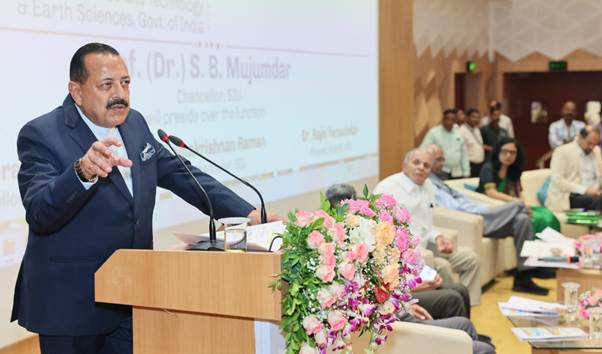
The Minister stressed the importance of holistic healthcare, integrating traditional Indian medicine with modern scientific practices, and encouraged the growth of startups and entrepreneurship in the life sciences sector. He outlined a “three A’s” approach for preventive healthcare: awareness, accessibility, and affordability of medical screening.
Dr. Singh also highlighted India’s contributions to global health, mentioning milestones such as the HPV vaccine, indigenous antibiotics, and tuberculosis gene sequencing. He drew attention to the dual challenge India faces: combating communicable diseases while addressing the rise of lifestyle-related disorders among younger populations.
On healthcare technology, he described experiments with AI-powered mobile clinics that offer hybrid consultations combining physical doctors with AI assistance, including regional language support for rural patients. He called for stronger cooperation between public and private sectors and a synergy between traditional and modern medical knowledge.
Concluding his address, Dr. Singh encouraged students and researchers to embrace the flexibilities offered by the National Education Policy 2020, pursue interdisciplinary studies, and align their work with India’s national priorities in science and technology.






































No Comments: