Shivraj Singh Chouhan Hails New GST Reforms as a “Historic Boost” for Farmers
Union Agriculture Minister says lower GST on machinery, dairy, and inputs will reduce costs and increase rural incomes.

 The Impressive Times
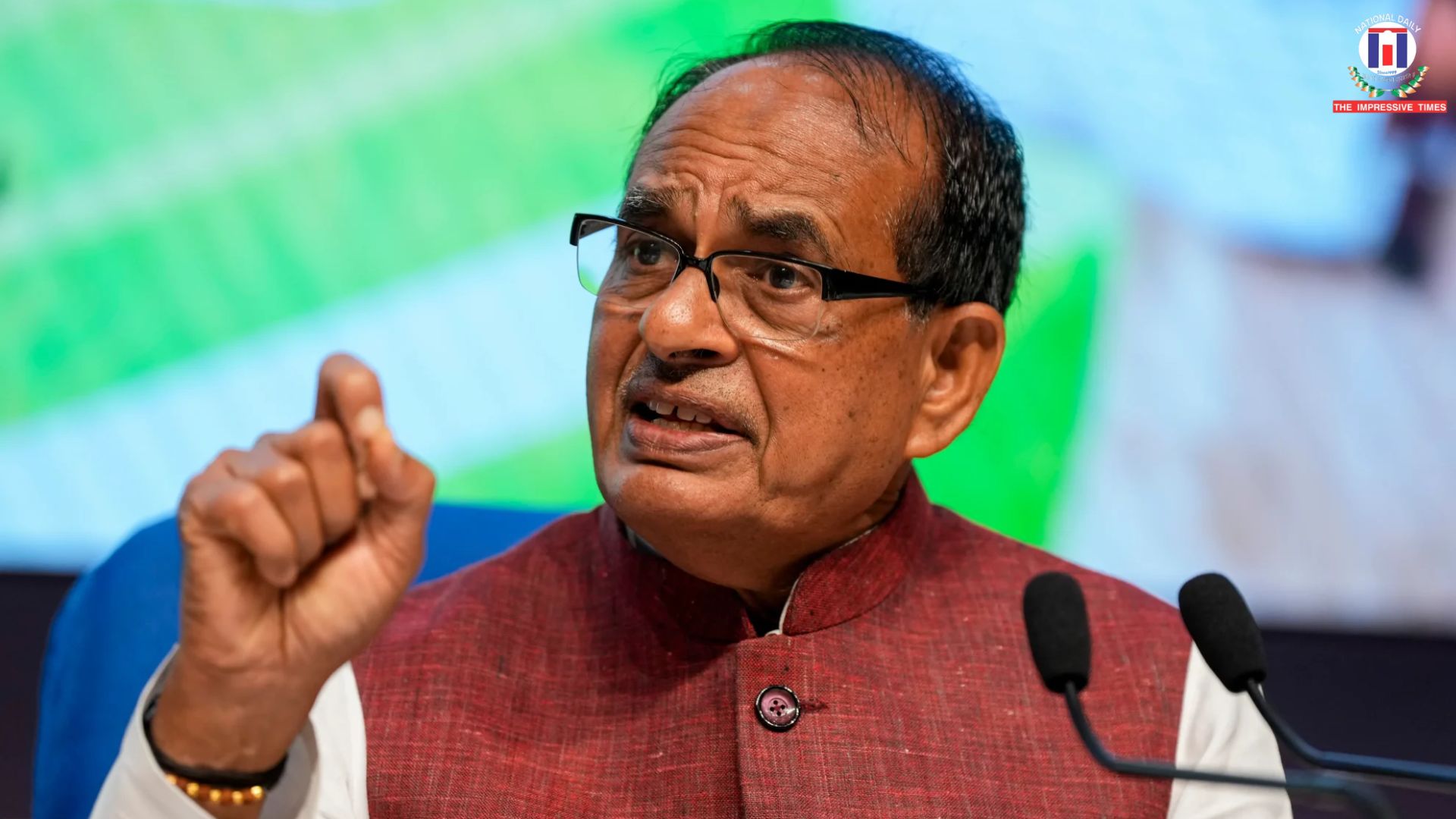
New Delhi, Sept 9 – The Central Government’s latest GST reforms have been hailed as a game-changer for India’s agriculture and dairy sector. Union Agriculture Minister Shivraj Singh Chouhan described the decision as “historic and revolutionary,” noting that the reduction in GST rates would directly benefit farmers, livestock owners, and rural communities.
The move has sparked widespread appreciation, with farmers’ organisations and dairy cooperatives expressing gratitude to Prime Minister Narendra Modi and Finance Minister Nirmala Sitharaman. According to the Agriculture Minister, these reforms will not only ease the financial burden on small and medium farmers but also open “new chapters of growth” in rural India.
One of the most significant impacts will be seen in farm mechanisation. GST on tractors, tractor parts, threshers, and irrigation machinery has been reduced from 12% to 5%. For example, the cost of a 50 HP tractor will now be nearly ₹53,000 cheaper, while a 75 HP tractor will cost around ₹63,000 less. This reduction is expected to make mechanisation more accessible for small farmers, lowering labour costs and boosting productivity.
Similarly, GST on fertilisers such as ammonia, sulphuric acid, and nitric acid has been slashed from 18% to 5%, correcting the inverted duty structure. Bio-pesticides and micronutrients have also become cheaper, encouraging farmers to shift towards sustainable and eco-friendly agricultural practices.
The dairy sector is among the biggest beneficiaries. Milk and cheese have been exempted from GST, while rates on butter, ghee, and milk cans have been reduced to 5%. These changes are expected to make dairy products more competitive and support small dairy farmers and cooperatives.
In food processing, GST on preserved fruits, vegetables, and nuts has been lowered to 5%, which will help reduce wastage, improve cold storage utilisation, and enhance India’s position as an agri-export hub.
The reforms extend to allied activities as well. GST on solar-powered irrigation devices has been reduced to 5%, cutting irrigation costs and promoting renewable energy in farming. Beekeepers and tribal communities engaged in honey production will also benefit, with GST on natural and blended honey falling to just 5%.
Tendu leaves, a crucial source of income for tribal populations in states such as Madhya Pradesh, Chhattisgarh, and Odisha, will now attract only 5% GST instead of 18%. The aquaculture sector too will gain, with GST on preserved fish reduced to 5%.
Experts believe these wide-ranging reforms will strengthen rural livelihoods, lower farming costs, and increase profitability across agriculture and allied sectors. By making domestic food production more competitive against imports, the changes are seen as a step towards building a more self-reliant and sustainable agricultural economy.






























No Comments: