

 The Impressive Times
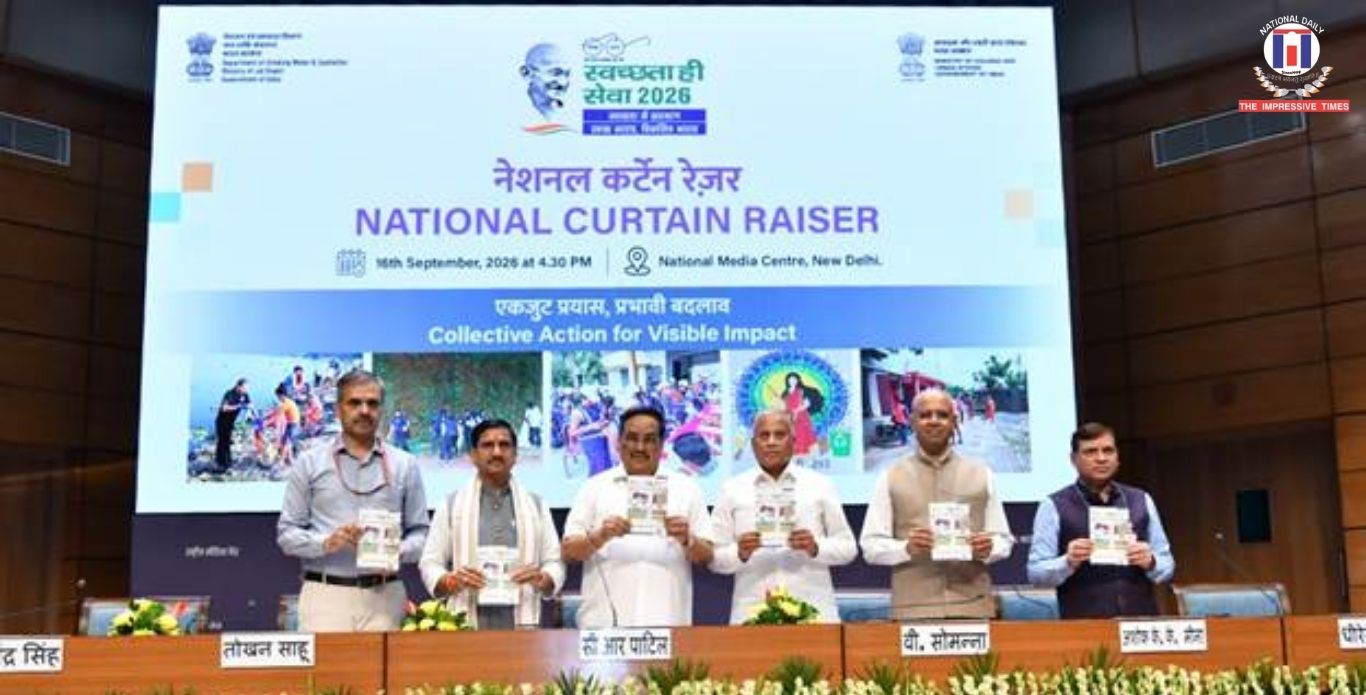
New Delhi, August 4, 2025 —The Government of India reaffirmed its commitment to universal access to clean drinking water through the Jal Jeevan Mission (JJM), even as concerns about persistent challenges and underutilization of funds emerged. Addressing the Rajya Sabha, Minister of State for Jal Shakti, Shri V. Somanna, detailed both the achievements and the ongoing hurdles in the mission’s implementation.
Launched in August 2019, the JJM aims to provide every rural household with safe and adequate tap water supply. At its inception, only 3.23 crore (16.7%) rural homes had tap water access. As of July 30, 2025, that number has increased dramatically to over 15.67 crore households (80.97%) out of the 19.36 crore total.
The original mission, approved for 2019–24 with a central outlay of Rs. 2,08,652 crore, has seen Rs. 1,85,958 crore utilized so far, leaving Rs. 22,694 crore for the 2024–25 fiscal year. The government clarified that nearly the entire allocation has been put to use, with the remaining balance forming part of the Revised Estimates for the current financial year.
The mission’s timeline has now been extended to 2028, with an enhanced budgetary outlay announced in the 2025–26 Union Budget. The focus moving forward will include not just infrastructure creation but also quality control, long-term sustainability, and community-centered service delivery.
Drinking water is constitutionally a State subject. While the Centre provides financial and technical support, actual implementation lies with State governments. Several issues hamper the mission’s pace: lack of reliable water sources in drought-prone and desert regions, groundwater contamination, scattered habitation, and weak technical capacity at the local level. Additionally, delays in obtaining statutory clearances and State share release have compounded the problem.
To mitigate these obstacles, the government has introduced measures such as:
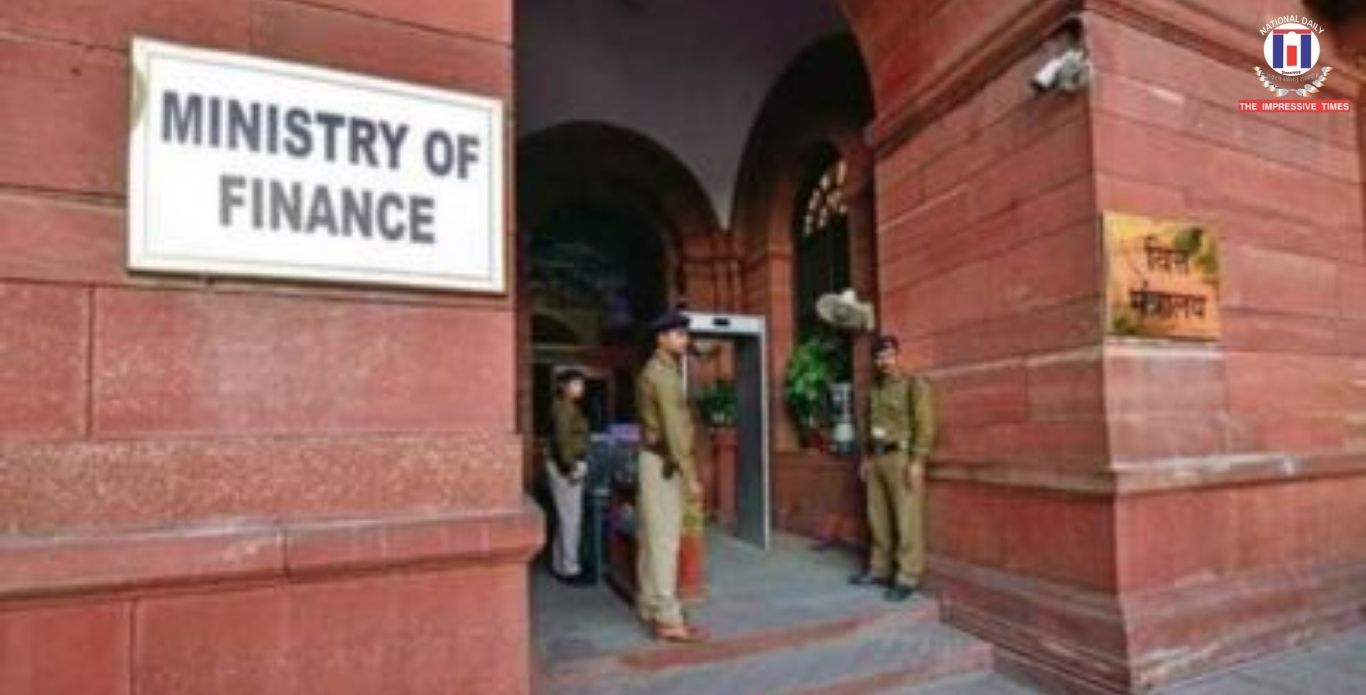
Interest-free capital loans to States for infrastructure projects via the Finance Ministry.
Dedicated nodal officers to streamline inter-departmental coordination.
Establishment of SPMUs and DPMUs to improve on-ground execution.
Implementation of the Nal Jal Mitra Programme, empowering villages with trained technical staff.
In tandem, States have been encouraged to adopt water source sustainability initiatives such as rainwater harvesting, borewell recharge, greywater reuse, and rejuvenation of water bodies, often in convergence with schemes like MGNREGS, IWMP, and CSR-funded programs.
The government’s Jal Shakti Abhiyan: Catch the Rain campaign continues to drive community-based water conservation efforts. The 2025 edition, themed “People’s Action for Water Conservation – Towards Intensified Community Connect”, places special emphasis on grassroots participation, especially by women.
Despite difficulties, the Centre remains optimistic that, with coordinated efforts and extended support, India is on track to meet its goal of sustainable and universal rural tap water supply.









No Comments: