RPF, NDRF, and IRIDM Sign Landmark MoU to Strengthen Railway Disaster Response
Tri-Agency Partnership Focuses on Golden-Hour Life Saving, Joint Drills, and Integrated Relief Operations

 The Impressive Times
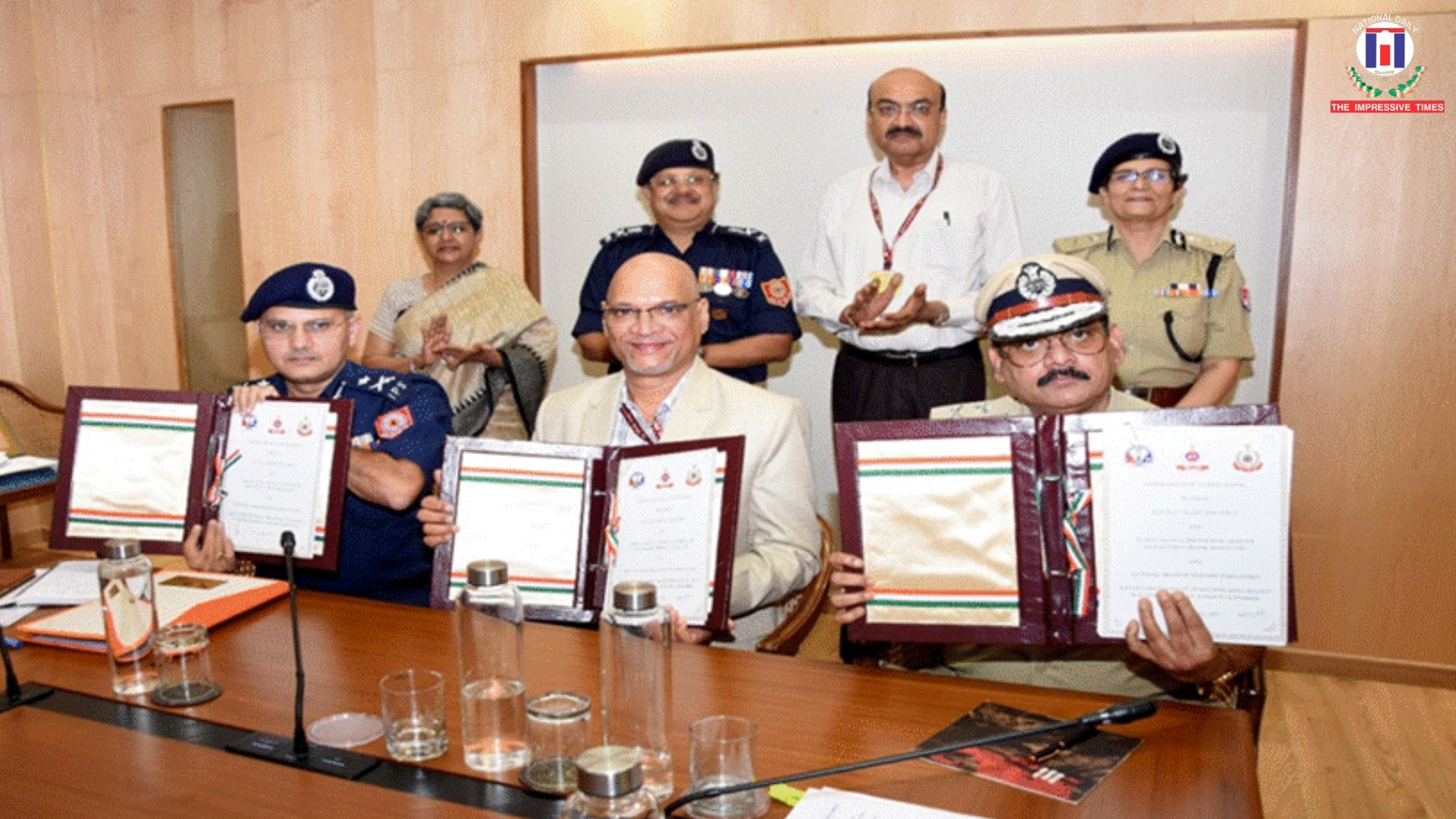
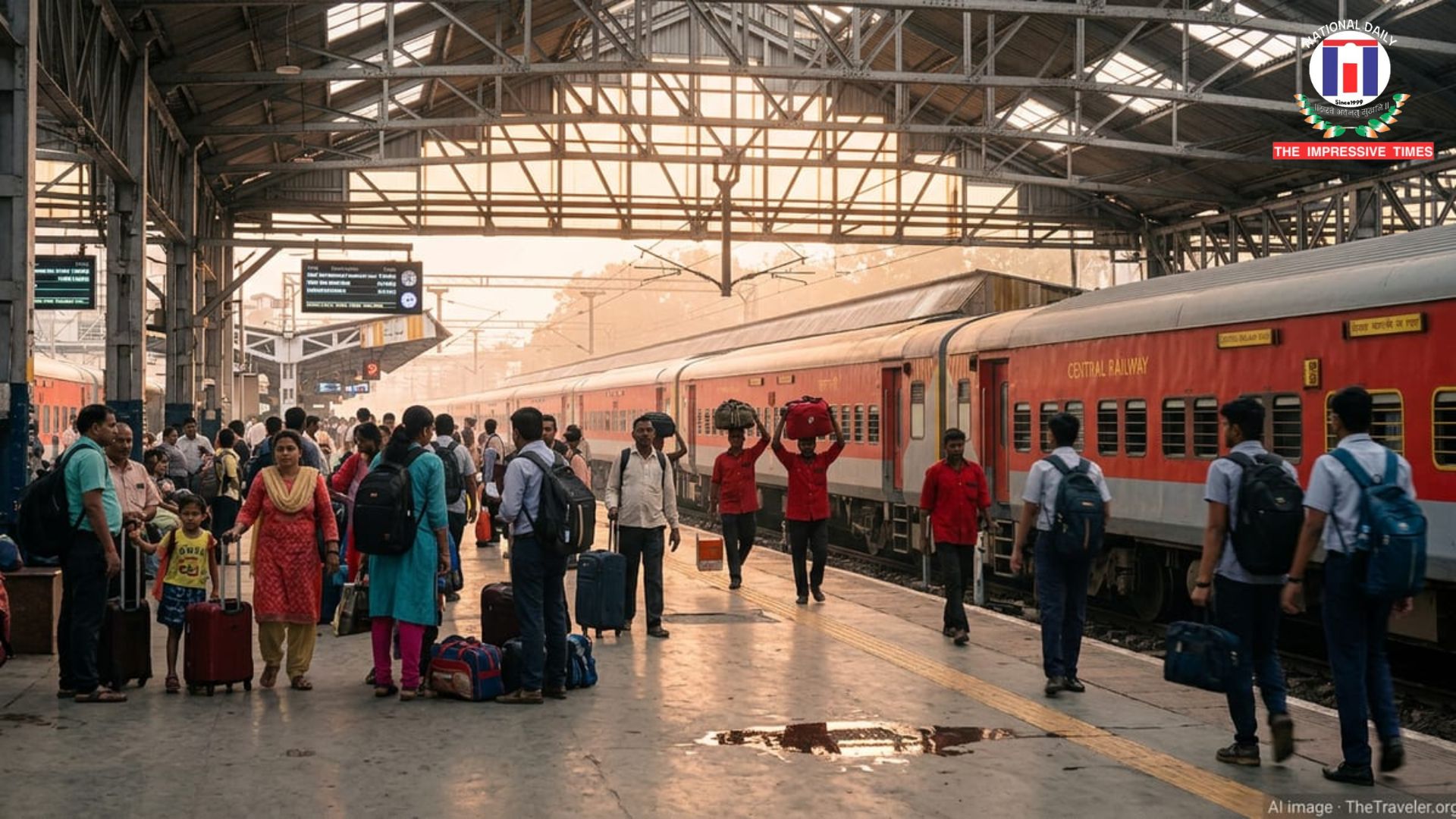
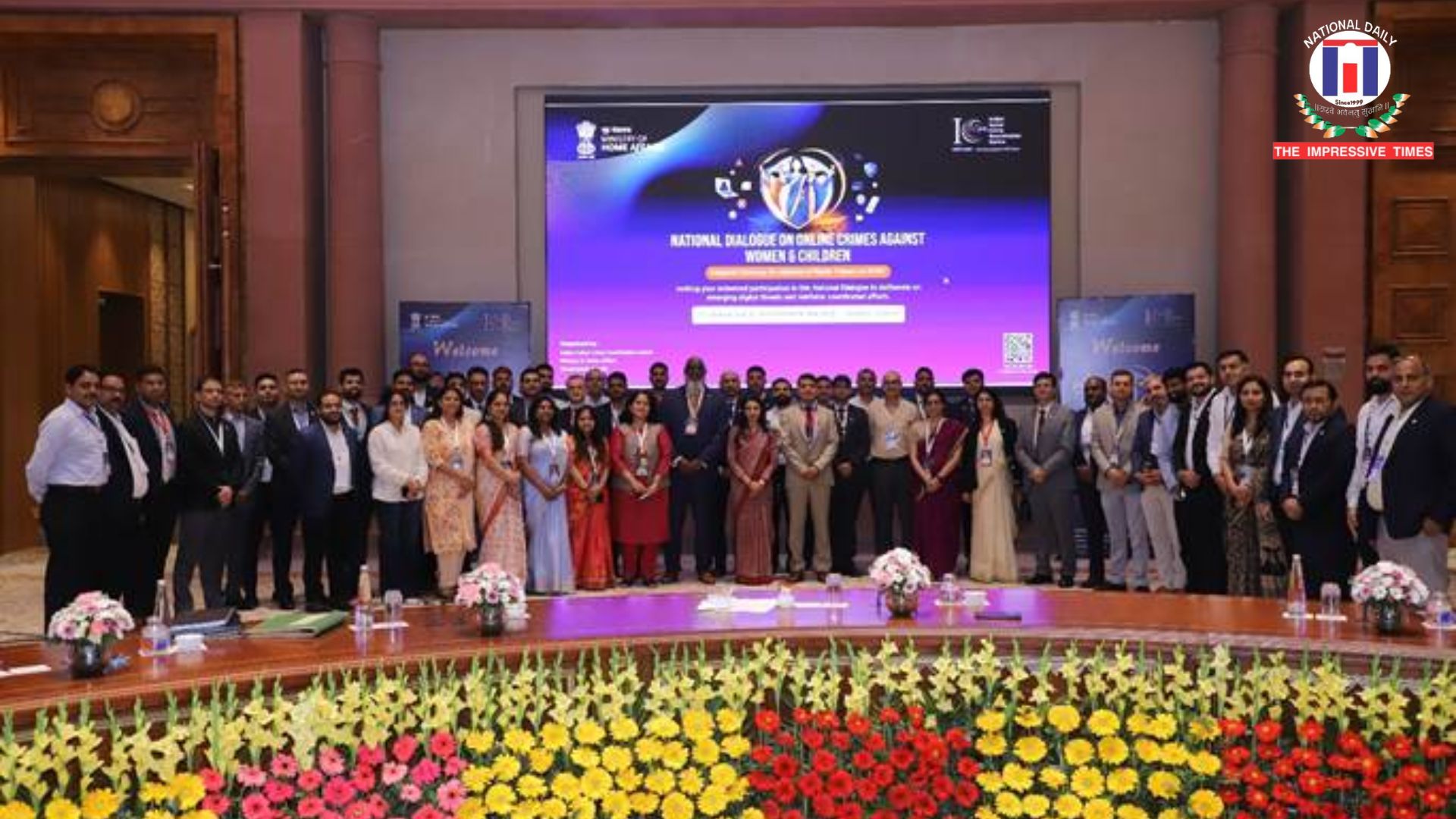
New Delhi : A tri-party Memorandum of Understanding (MoU) was signed today among the Railway Protection Force (RPF), National Disaster Response Force (NDRF), and Indian Railway Institute of Disaster Management (IRIDM), Bengaluru, at Rail Bhawan, New Delhi. The partnership establishes a clear institutional framework for integrated relief operations and capacity building tailored to railway accident scenarios, with a focused emphasis on saving lives during the Golden Hour.
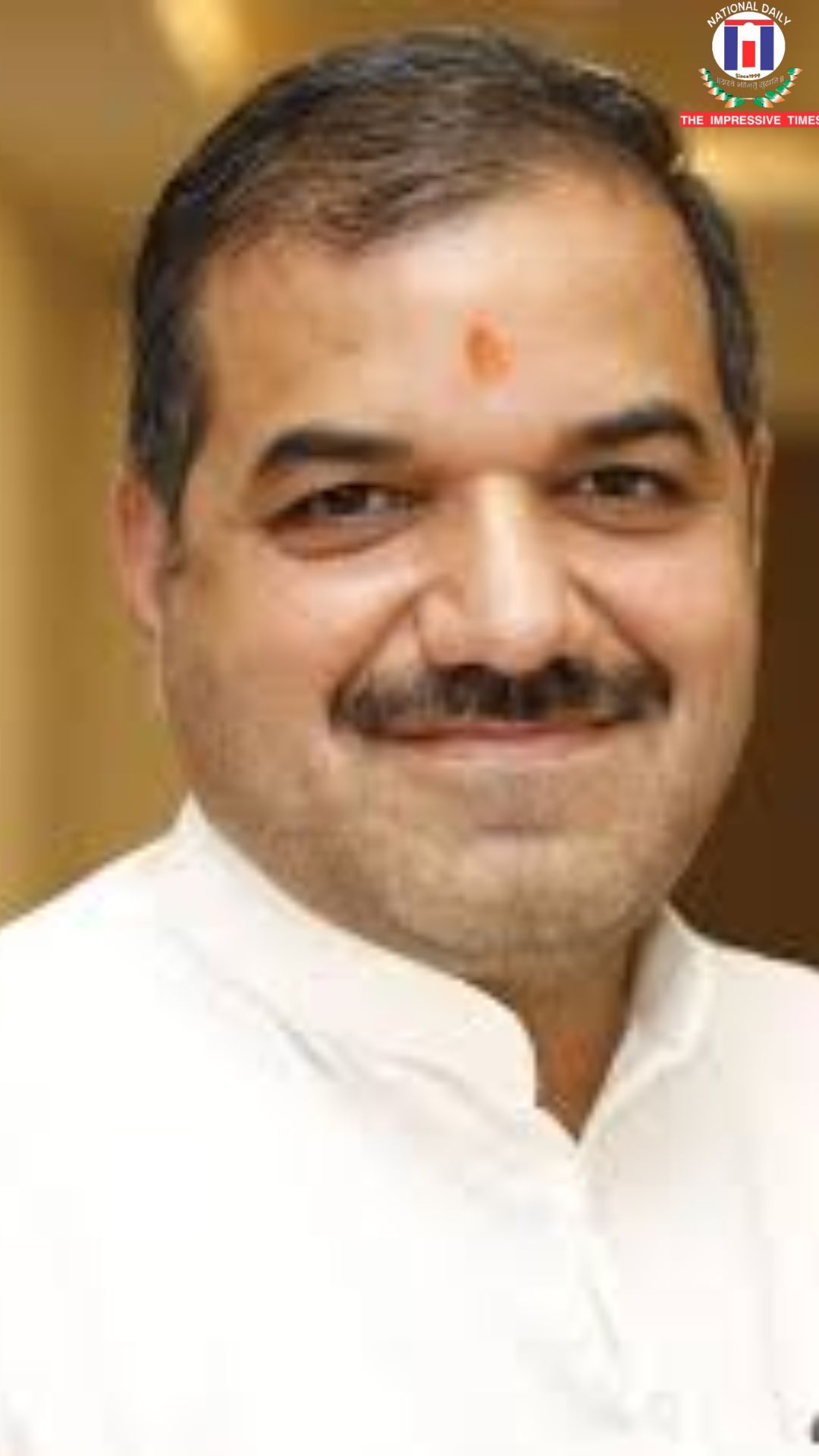
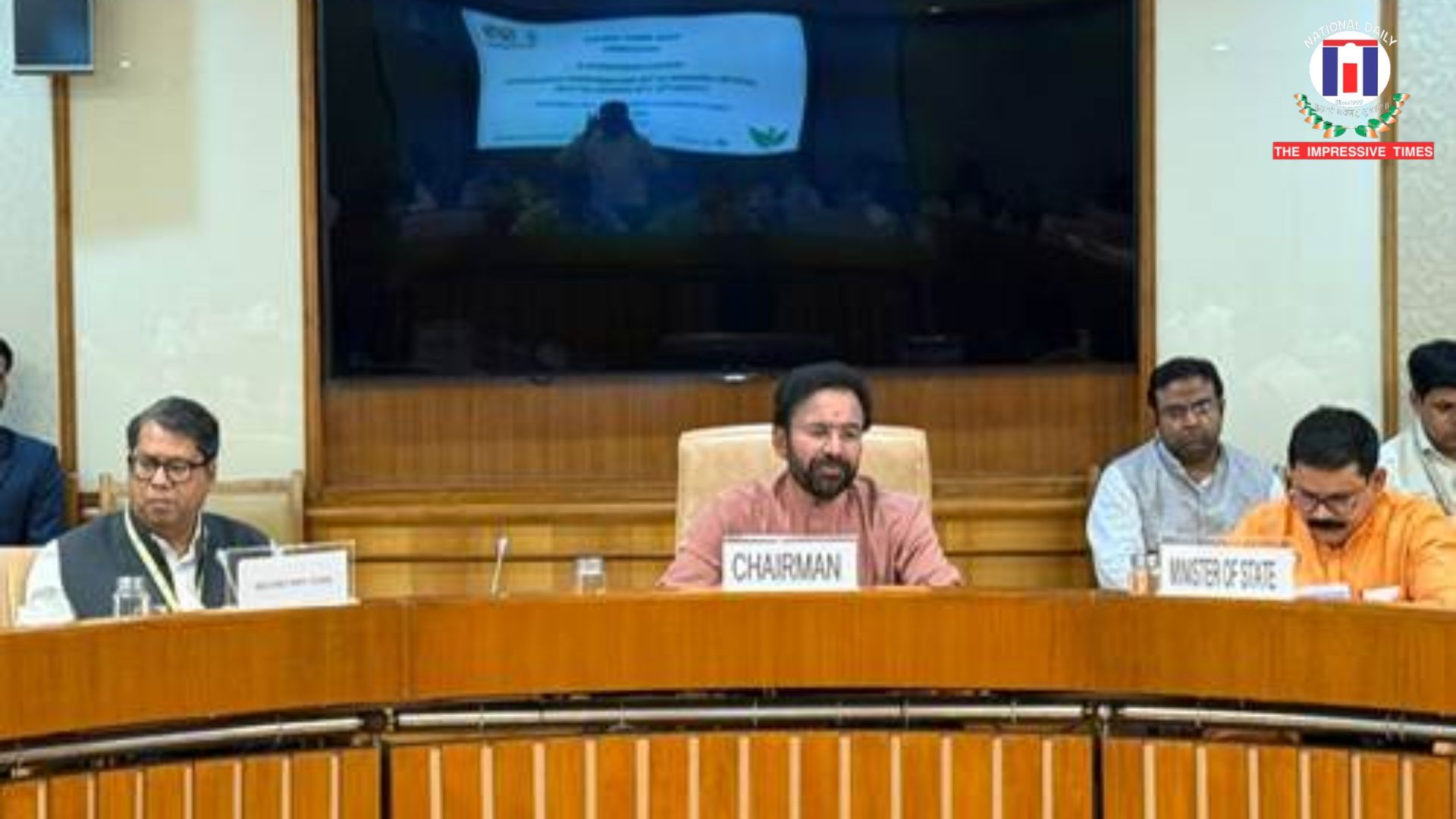
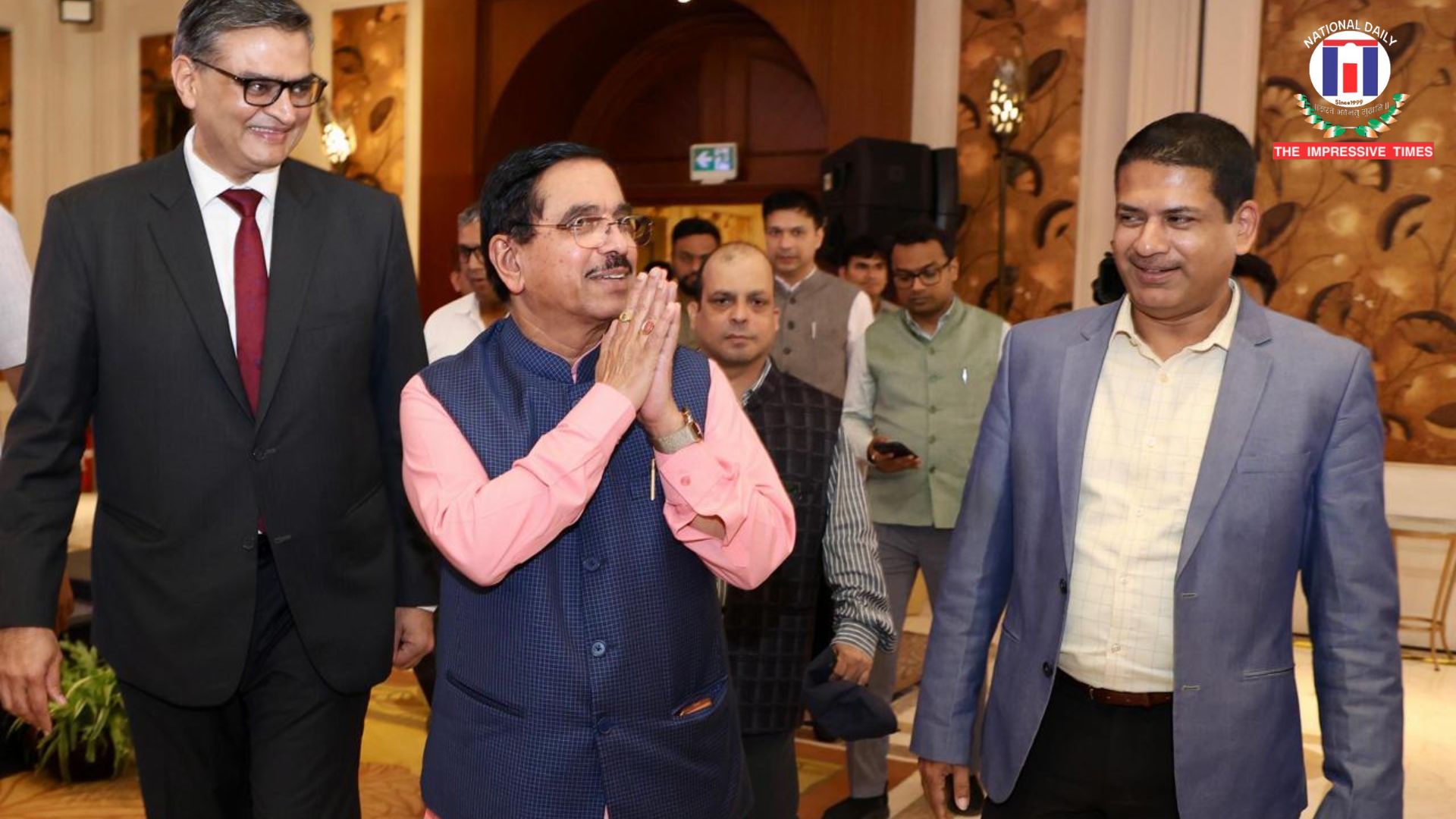
The MoU was signed by B. V. Rao, IG (Training), RPF; Narendra Singh Bundela, IG, NDRF; and Srinivas, Director, IRIDM, in the presence of Railway Board Member R. Rajagopal, DG/HR Aruna Nayar, DG/NDRF Piyush Anand, DG/RPF Sonali Mishra, and other senior officials.
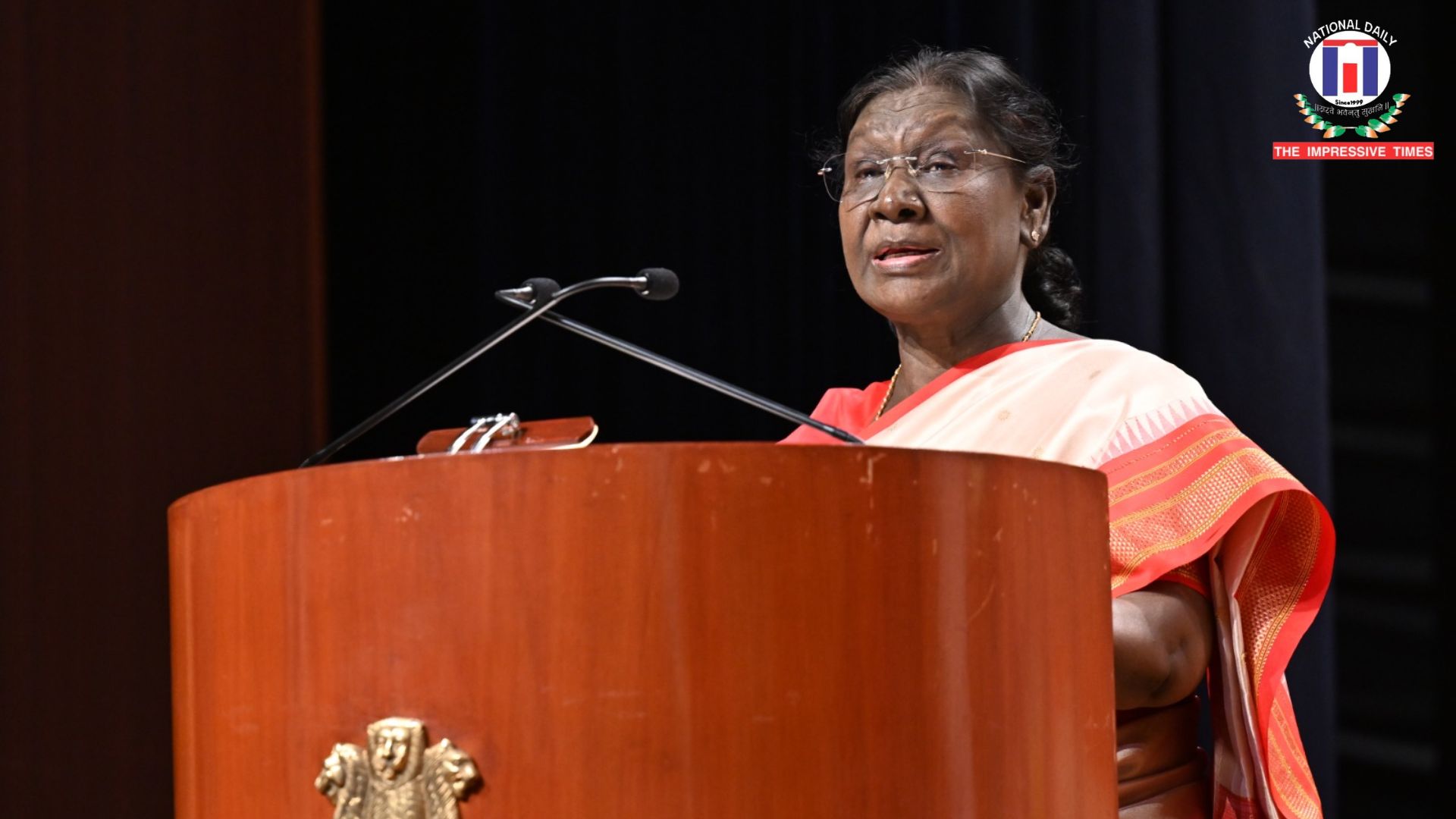
Director General, Railway Protection Force, Sonali Mishra, emphasized that effective collaboration and coordination among all stakeholders are essential, with clearly framed SOPs for railway rescue operations. Railway Board Member R. Rajagopal highlighted the importance of preparedness for both man-made incidents and natural disasters such as cyclones, heavy rain, and heat waves, appreciating the capacity-building efforts of JRRPFA and IRIDM.
DG/NDRF Piyush Anand stressed that all agencies must operate cohesively to mitigate disaster impacts, with other railway departments integrated into capacity-building initiatives.
The tri-agency partnership operationalizes a scalable, repeatable ecosystem to enhance national railway disaster readiness, ensuring faster, safer, and coordinated relief. Key highlights include:
Golden-Hour Focus: Drills and protocols are designed to minimize response time for access, triage, and evacuation from coaches.
Railway-Specific First Response: RPF will strengthen coach- and track-oriented capabilities, including confined-space rescue, ensuring correct initial actions at the site.
Standardized SOPs: IRIDM aligns entry sequencing, stabilization, cutting plans, patient packaging, and handover procedures for consistent extrication practices.
Integrated Operations: Common radio etiquette, shared checklists, and joint drills enable agencies to function as one cohesive unit during emergencies.
Three-Stage Training Modules: Foundation training at JRRPFA, field sensitization at NDRF battalions, and advanced simulation-based modules at IRIDM create measurable, repeatable competencies.
The MoU designates JRRPFA as the nodal hub, NDRF for battalion-level training, and IRIDM for advanced scenario-based curriculum design. The framework is scalable across Zonal Railways and structured for continuous review and improvement.
















No Comments: