PM Flags Off New Semiconductor Era as HCL– Foxconn Chip Plant Breaks Ground in Uttar Pradesh
Prime Minister Narendra Modi also acknowledged HCL Technologies for its role in strengthening India’s domestic semiconductor capabilities.

 The Impressive Times
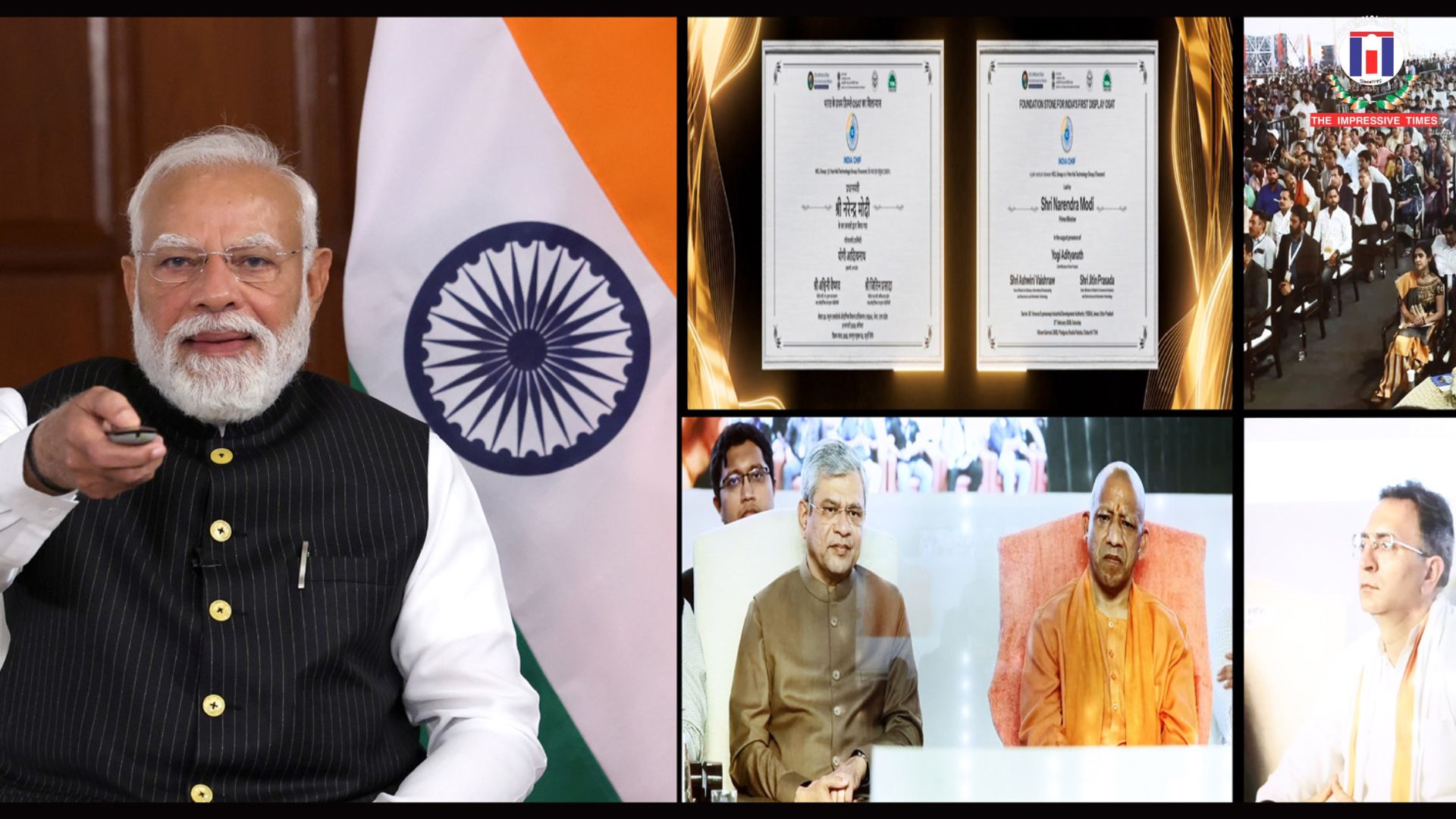
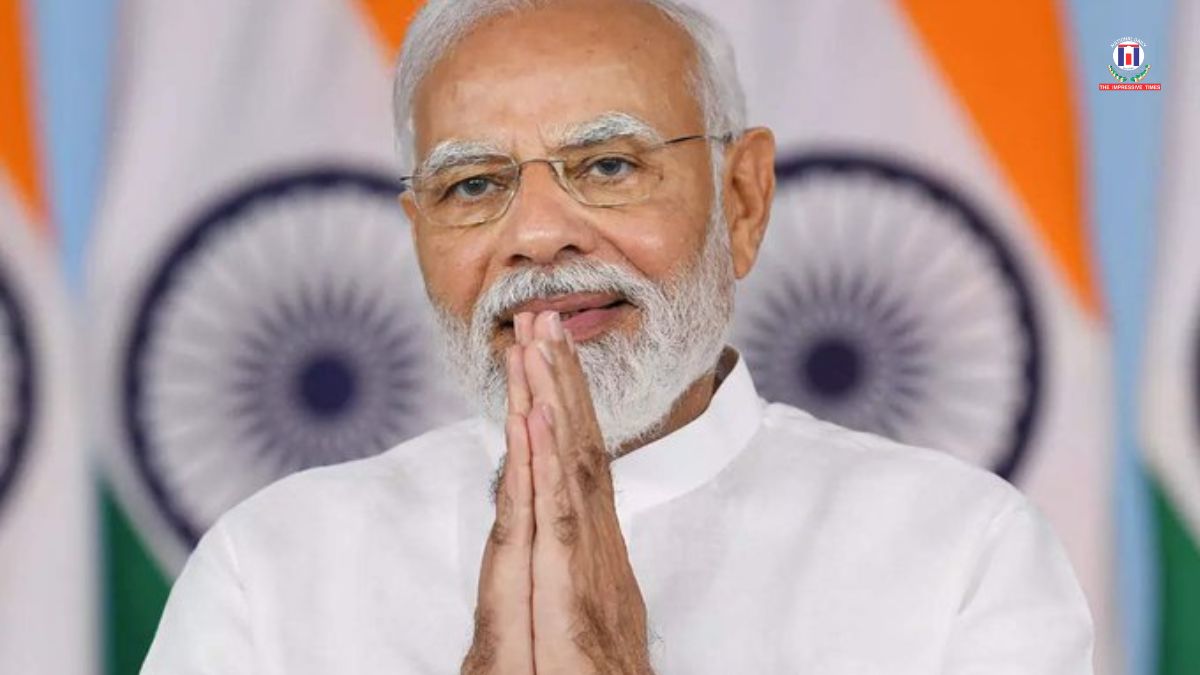
New Delhi | February 21, 2026- India’s push towards technological self-reliance gathered fresh momentum on Friday as the Prime Minister addressed the bhoomi pujan ceremony of India Chips Limited, a joint semiconductor venture of HCL and Foxconn, through video conferencing. The event marks a major milestone in India’s rapidly expanding semiconductor ecosystem and positions Uttar Pradesh as a key destination for advanced electronics manufacturing.
Addressing the gathering, Prime Minister Narendra Modi said that India is moving ahead with unprecedented speed and focus, asserting that the country can no longer afford to slow down in its journey towards becoming a developed nation. He noted that the first weeks of 2026 alone have reflected India’s growing confidence, innovation capacity, and global leadership in technology-driven sectors.
The Prime Minister highlighted a series of recent national and international initiatives — from youth leadership dialogues and startup celebrations to global energy and artificial intelligence summits — stating that India is increasingly being recognised as a serious player in shaping the world’s technological future. According to him, the recently concluded Global AI Impact Summit in Delhi reinforced global trust in India’s digital and innovation capabilities.
Calling the new chip manufacturing facility a turning point, the Prime Minister said the project would significantly strengthen India’s hardware capabilities alongside its globally recognised software strengths. He emphasised that Uttar Pradesh is set to play a defining role in India’s semiconductor journey, adding that the HCL–Foxconn unit would create large-scale employment and catalyse the growth of design centres, R&D facilities, and startup ecosystems in the region.
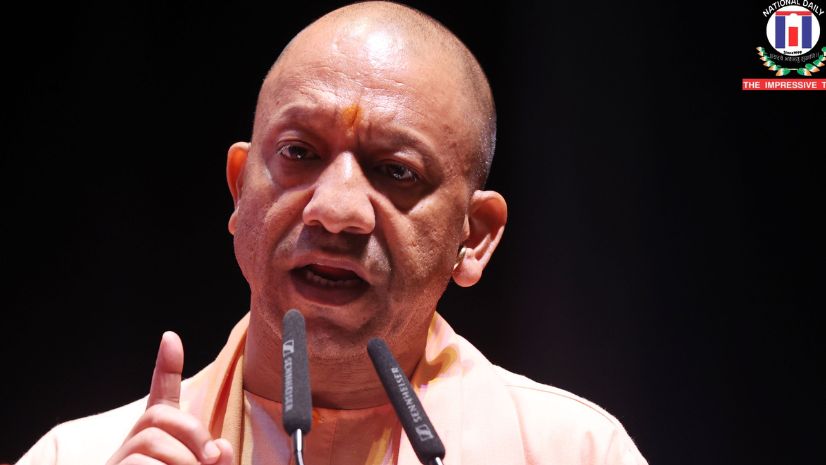
He congratulated Uttar Pradesh Chief Minister Yogi Adityanath and his team, noting that the state’s transformation into a technology and manufacturing powerhouse is the result of sustained policy reforms, infrastructure expansion, and investor-friendly governance.
Drawing parallels between oil-driven power in the 20th century and semiconductor dominance in the 21st, the Prime Minister underlined the strategic importance of chip manufacturing. He recalled the disruptions witnessed during the COVID-19 pandemic, when global supply chain breakdowns brought industries to a halt, and said India has since turned that crisis into an opportunity by committing to domestic chip production.
He stated that India’s Semiconductor Mission has already cleared multiple fabrication and packaging units, several of which are nearing production. According to him, indigenous chips are vital for ensuring uninterrupted growth across sectors such as artificial intelligence, next-generation telecom, electric mobility, defence manufacturing, and digital infrastructure.
Referring to the participation of global companies like Foxconn, the Prime Minister said that international partnerships in high-end manufacturing send a strong message of confidence in India as a reliable and democratic production partner. He added that India’s integration into global value chains enhances their stability, making collaboration mutually beneficial.
He also acknowledged HCL Technologies for its role in strengthening India’s domestic semiconductor capabilities.
The Prime Minister stressed that India’s technological rise is powered by its vast talent pool. He said the government is expanding chip design expertise while simultaneously investing in semiconductor-related skills through initiatives like the Chip-to-Startup programme, aimed at preparing tens of thousands of industry-ready professionals.
He further noted that the Union Budget has announced the next phase of the India Semiconductor Mission, covering fabrication, advanced packaging, and R&D support. Emphasis is also being placed on securing critical raw materials, with plans for developing rare earth corridors to support both semiconductor and battery manufacturing.
Highlighting India’s manufacturing achievements over the past decade, the Prime Minister said electronics production and exports have seen exponential growth, with mobile phone manufacturing and exports registering record increases. Uttar Pradesh, he said, has emerged as a central pillar of this success, now producing more than half of the country’s mobile phones.
He observed that the state, once associated with migration and underdevelopment, is today being recognised for expressways, defence corridors, tourism growth, and large-scale industrial investment. Improved logistics, freight corridors, and upcoming international connectivity projects are accelerating regional development.
Concluding his address, the Prime Minister expressed confidence that the new semiconductor facility would further boost Uttar Pradesh’s economic momentum and reaffirm India’s position as a rising global manufacturing hub.




































No Comments: