World Bank Lifts India’s FY27 Growth Forecast to 6.6%, Warns of Global Risks
Strong domestic demand supports outlook, but West Asia tensions and energy prices pose challenges

 The Impressive Times
India’s economic outlook for FY27 has received a modest upgrade from the World Bank, which now expects the country’s GDP to grow at 6.6%, up from its earlier estimate. The revision reflects continued strength in domestic consumption and export performance.
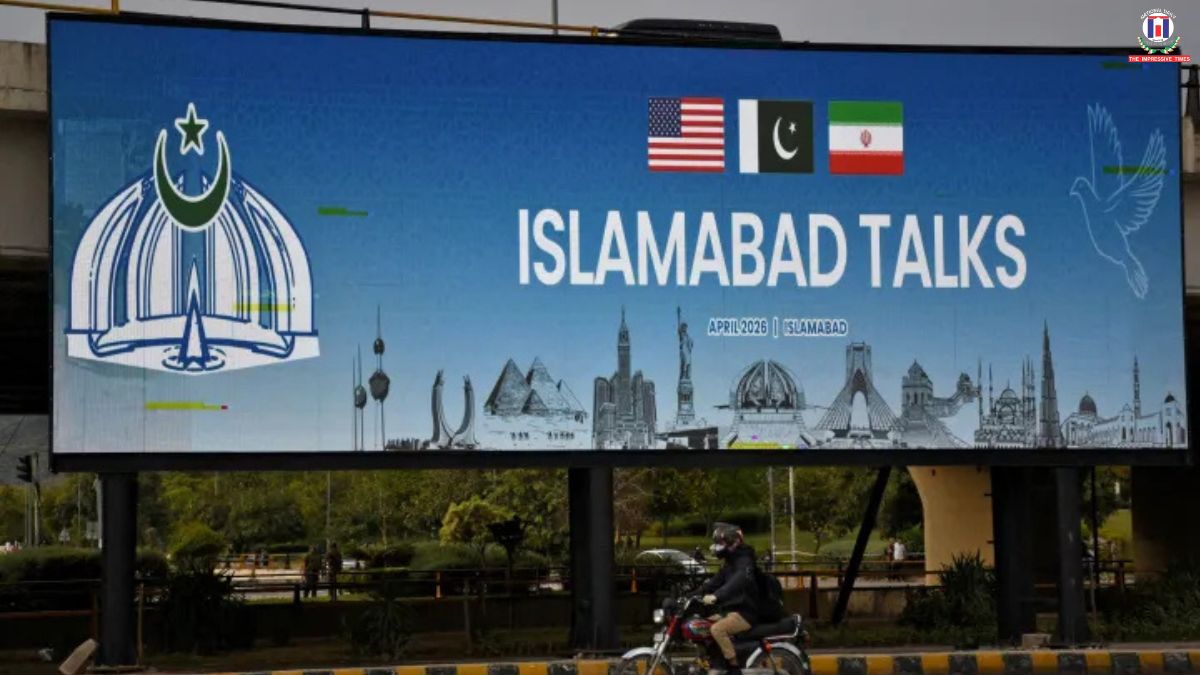
Despite the improved projection, the global lender cautioned that economic momentum may ease compared to recent years due to external pressures, particularly instability in West Asia. Ongoing geopolitical tensions in the region could disrupt energy markets and impact overall growth.
For FY26, India’s economy is projected to expand at a stronger pace of 7.6%, building on an estimated 7.1% growth in FY25. The outlook is underpinned by steady demand within the country and resilient export activity.
However, inflation risks remain. The report highlighted that rising global fuel prices, along with stabilising food costs, may push inflation higher in FY27, potentially affecting household spending. Policy measures such as tax adjustments, including relief under the goods and services tax regime, are expected to provide some support to consumption in the near term.
Investment activity, on the other hand, could face headwinds due to higher input costs and uncertainty in global markets. While India may benefit from improved trade access to key regions like the United States and Europe, slower growth in major economies could limit export gains.
The Reserve Bank of India has projected a slightly higher growth rate of 6.9% for FY27, while other global agencies have offered more conservative estimates.
Looking beyond the short term, the World Bank emphasised the importance of trade agreements in sustaining growth. Proposed free trade deals with major partners such as the European Union and the United Kingdom could help boost incomes and consumption across different sections of society.
Across South Asia, economic expansion is expected to moderate to 6.3% in 2026 from 7% in 2025, largely due to volatility in global energy markets. Nevertheless, the region is still likely to outperform many other developing economies, with India continuing to be the primary driver.
Senior World Bank officials, including Johannes Zutt, stressed the need for continued structural reforms to maintain growth momentum. Key focus areas include strengthening infrastructure, improving the business environment, reducing trade barriers, and encouraging private sector investment.
The report also noted that updating India’s GDP calculation base year has slightly altered the size of the economy while indicating stronger recent growth trends.
Experts believe that with sustained reforms and policy support, India — along with other South Asian nations — could accelerate its path toward becoming a high-income economy in the coming decades.







































No Comments: