New Delhi: Fresh discussions around strengthening India’s eastern borders suggest that the Border Security Force (BSF) may be leaning toward technology-led solutions rather than relying on unconventional ideas involving wildlife.
Initial reports had hinted at the possibility of using animals such as crocodiles or snakes as natural deterrents in sensitive border zones. However, there is little clarity on whether authorities have assessed how such measures could affect local livelihoods, particularly fishing and farming communities that depend heavily on riverine and coastal ecosystems.
Experts point out that crocodile presence near border regions is largely limited to the Sundarbans in West Bengal, where these reptiles are native to the mangrove habitat. In contrast, Assam has only a limited number of crocodiles, mostly confined to protected wetlands rather than active border stretches, making the feasibility of such proposals questionable.
Concerns also extend to human safety. India already faces a significant public health challenge from snakebites. While comprehensive nationwide data remains inconsistent, some estimates suggest tens of thousands of fatalities annually due to venomous encounters. The northeastern region records a considerable number of snakebite cases each year, though not all are fatal. States like West Bengal have historically reported high incidence rates, indicating the risks of increasing human-wildlife interactions in populated areas.
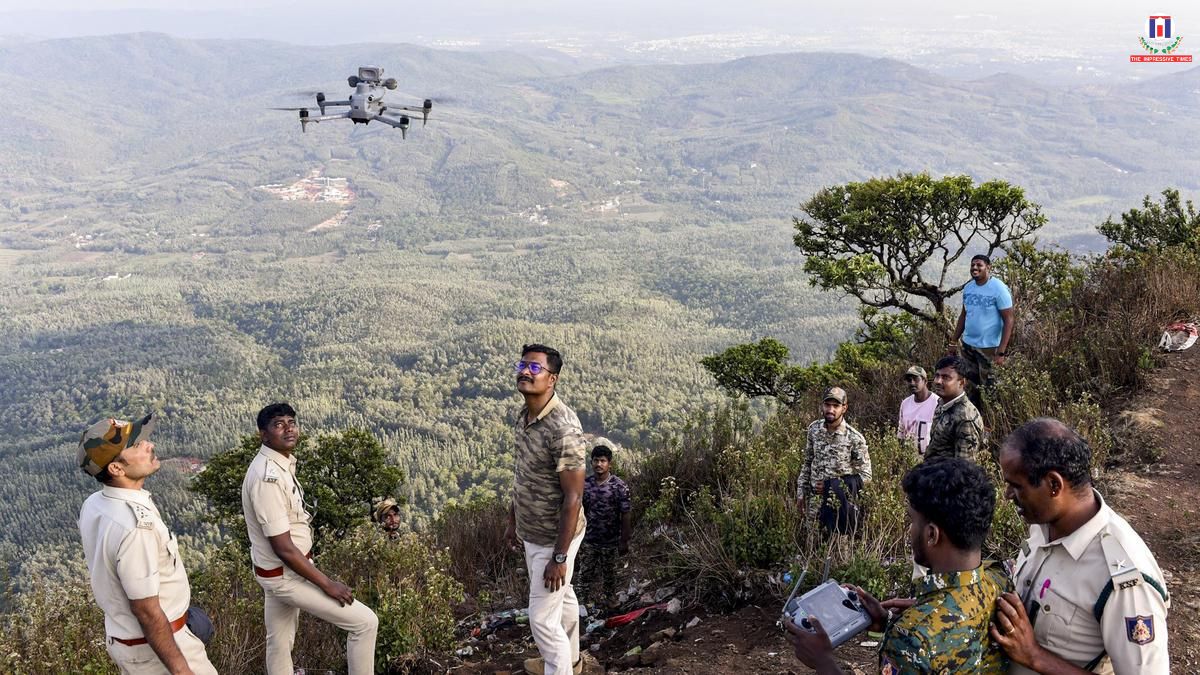
Sources indicate that instead of wildlife-based approaches, the BSF is actively evaluating modern surveillance systems to enhance border management. These include deploying advanced monitoring equipment and identifying remote outposts that suffer from poor or no mobile network connectivity. Officials have reportedly been asked to submit detailed reports on such “dark zones” to improve communication infrastructure and response capabilities.
Additionally, authorities are reviewing legal cases involving residents of border villages, suggesting a broader strategy that combines enforcement, infrastructure upgrades, and community-level assessment.
While discussions are still at a preliminary stage, the shift toward technological solutions highlights a more practical approach to border security—one that avoids ecological disruption and minimizes risks to civilians living in already vulnerable regions.


















































No Comments: