Ticket Price Hike: How IndiGo, Air India Are Responding to Rising Fuel Costs
Airlines worldwide hike fares, cut flights, and revise outlooks as jet fuel prices surge

 The Impressive Times
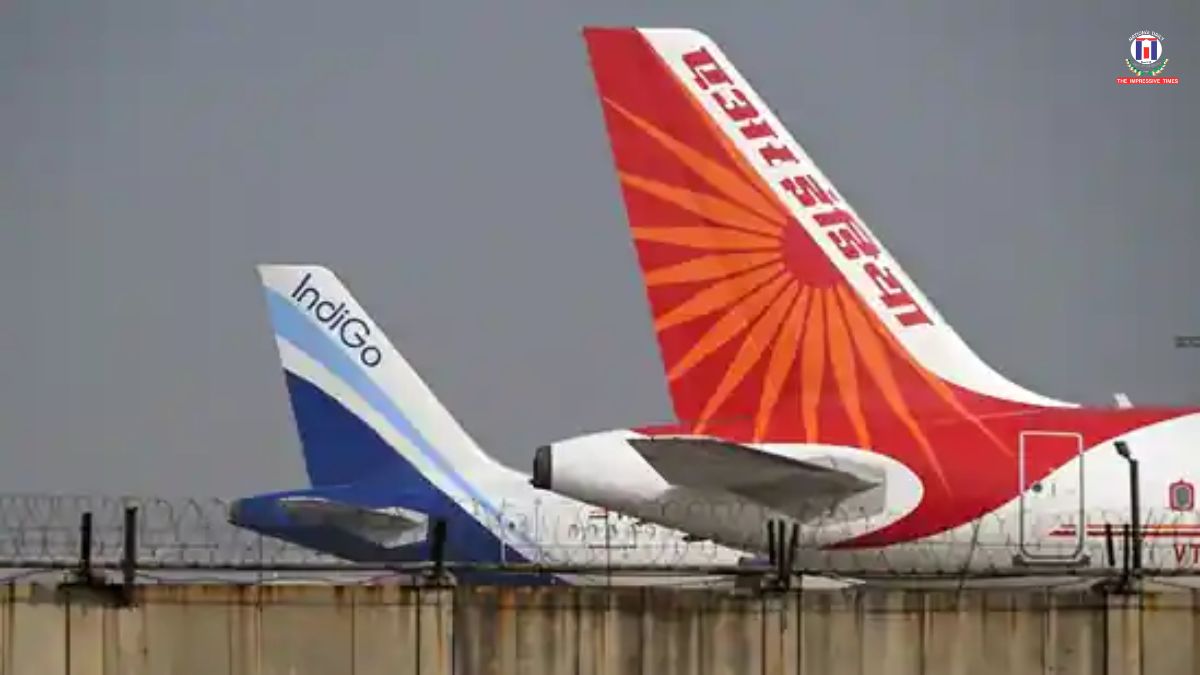
The global aviation sector is witnessing a sharp increase in ticket prices as airlines grapple with soaring fuel costs triggered by geopolitical tensions, including the US-Israel Iran conflict.
Jet fuel prices have surged dramatically—from around $85–$90 per barrel to as high as $150–$200—putting intense pressure on airlines, where fuel accounts for nearly 25% of operating expenses.
Major carriers such as IndiGo, Air India, and United Airlines have responded by increasing ticket prices, adding fuel surcharges, and raising ancillary fees like baggage charges.
Many airlines are also revising financial forecasts, delaying expansion plans, and focusing on cost-cutting strategies to manage the crisis.
The airline has introduced a distance-based fuel surcharge. Passengers on shorter domestic routes (0–500 km) will pay ₹299 extra per sector, while those travelling over 2,000 km could be charged up to ₹899. The revised charges came into effect in April for domestic and select international routes.
India’s largest airline has implemented fuel surcharges of up to ₹950 per sector on domestic routes and up to ₹10,000 on long-haul international flights for new bookings starting April.
The budget carrier has cut around 10% of its flights and imposed a fuel surcharge of nearly 20% across operations.
The airline group plans to raise long-haul ticket prices, with fares increasing by about €50 per round trip.
The airline has reduced flight capacity and increased fares while suspending its full-year earnings forecast due to fuel price uncertainty.
Akasa Air has introduced fuel surcharges ranging from ₹199 to ₹1,300 on domestic and international routes.
Airlines like American Airlines, Delta Air Lines, and Alaska Airlines have increased baggage fees and trimmed passenger benefits to offset rising costs.
Meanwhile, United Airlines plans to cut unprofitable routes over the next two quarters, expecting oil prices to remain elevated for years.
The ripple effects are being felt worldwide. Airlines are scaling back expansion, reducing flights, and prioritising operational efficiency.
Experts warn that if fuel prices remain high, passengers could continue to face elevated fares and reduced travel options in the coming months.














































No Comments: