Putin Announces Temporary Easter Ceasefire in Ukraine War
32-Hour Pause Raises Fresh Questions Over Peace Efforts

 The Impressive Times
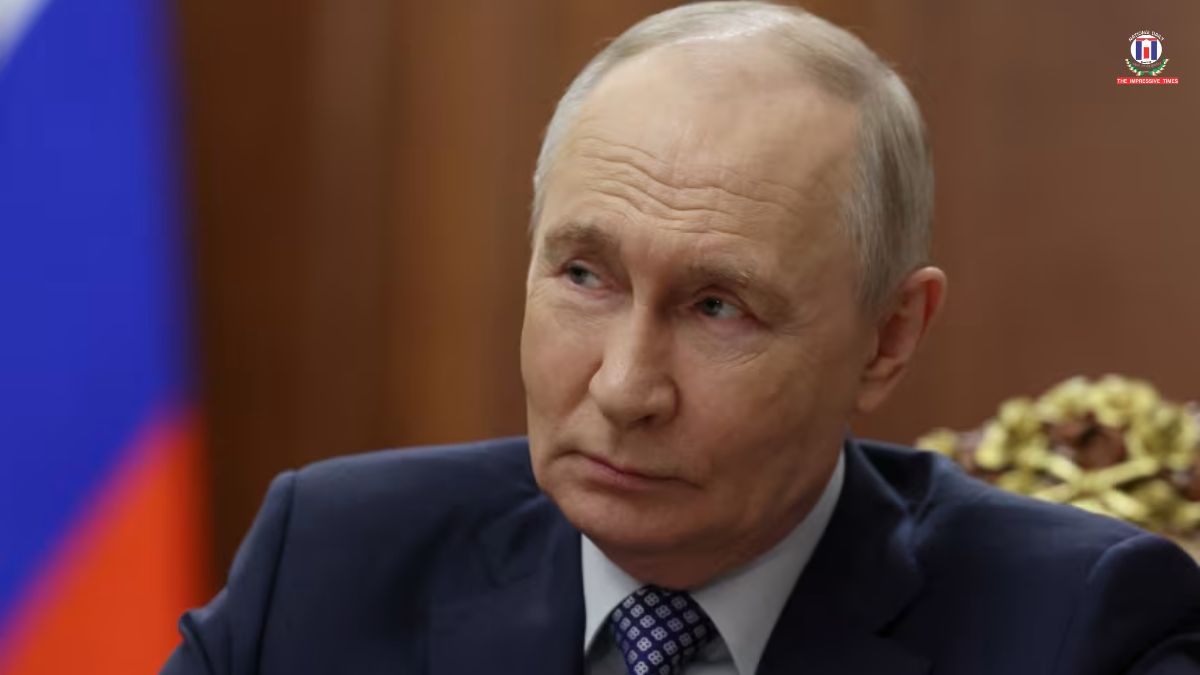
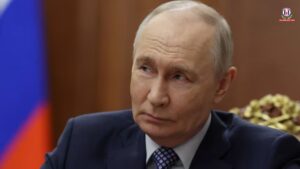
In a significant yet temporary move, Vladimir Putin has declared a short ceasefire in the ongoing conflict with Ukraine to mark the Orthodox Easter holiday. The pause in military operations is set to last for 32 hours, beginning Saturday evening and continuing through Sunday.
According to official statements from Moscow, Russian forces have been instructed to suspend combat activities across all active fronts during this period. However, troops have also been directed to remain alert and prepared for any potential retaliation or unexpected developments.
The Kremlin expressed hope that Ukraine would reciprocate the gesture, signaling a rare moment of de-escalation in a war that has stretched into its fifth year.
Ukrainian President Volodymyr Zelensky had earlier indicated willingness for a holiday truce, stating that Kyiv had already communicated a similar proposal through U.S. intermediaries. He emphasized the importance of allowing civilians to observe Easter without the threat of violence and called for meaningful steps toward long-term peace.
Despite such gestures, previous ceasefire attempts—especially around religious occasions—have largely failed, with both sides accusing each other of violations.
Efforts led by the United States to mediate between Moscow and Kyiv have yet to produce a lasting resolution. A major sticking point remains Russia’s demand for territorial concessions.
Currently, Russian forces control nearly one-fifth of Ukrainian territory, including regions like Crimea and large portions of eastern and southern Ukraine. Moscow continues to insist on full control over several annexed regions, a condition Kyiv has firmly rejected.
While the Easter ceasefire offers a brief pause in hostilities, skepticism remains high over its effectiveness. Observers note that similar announcements in the past have not led to sustained peace on the ground.
As the war drags on, the world watches closely to see whether this temporary truce could open even a small window for renewed dialogue—or become another missed opportunity in a prolonged conflict.

























No Comments: